Thirty-eight of Seattle’s biggest employers told City Hall to turn cameras back on and fix slow 911 response, while the mayor keeps expansion paused for a privacy audit.
Story Highlights
- Major employers demanded CCTV activation, more patrols, and faster 911 response.
- The coalition asked for a 100-day action plan with public benchmarks.
- Seattle’s mayor paused camera expansion pending a privacy and data audit.
- Research shows cameras have modest, context-specific crime effects.
Business Coalition Pushes for Cameras, Patrols, and Measurable Results
On September 10, 2026, thirty-eight Seattle business and civic leaders sent an open letter to Mayor Katie Wilson and the City Council. They urged the city to reactivate closed-circuit television cameras in Pioneer Square, the Stadium District, and other high-incident areas. They also pressed for more police staffing, faster 911 responses, and public benchmarks. The signers included executives from Microsoft, Starbucks, Costco, Alaska Airlines, Nordstrom, and the Seattle Mariners, highlighting broad employer concern over downtown safety.
The letter framed cameras as tools for deterrence and accountability. It paired that request with a clear timeline and targets. The group asked for a 100-day public safety action plan, monthly progress updates, and measurable response standards. Reporting summarized complaints from downtown operators about slow or missed 911 responses. One cited example claimed only about 29 percent of calls from Nordstrom’s flagship store drew a response, compared to much higher rates in nearby cities, a figure that needs primary data to verify.
Mayor Wilson Pauses Expansion Pending a Privacy and Data Audit
Mayor Katie Wilson has not embraced a broad camera expansion. Earlier this year, she paused the expansion of Seattle’s surveillance-camera pilot and suspended license plate readers while a privacy and data governance audit proceeds. She said existing cameras would remain active, while new Stadium District cameras would turn on only for a credible threat. She promised to release the audit findings and then decide on further steps, citing civil-liberties and data security concerns.
Wilson also said a camera near a reproductive health and gender-affirming care facility would be turned off over privacy concerns. She added that the Stadium District cameras installed for the World Cup were intended only for that event and would remain off afterwards. She emphasized a balance: keep people safe without trading away privacy. Her office expects the audit to inform next moves and shape policy rules for storage, access, and use of footage.
What Police and Research Say About Camera Impact
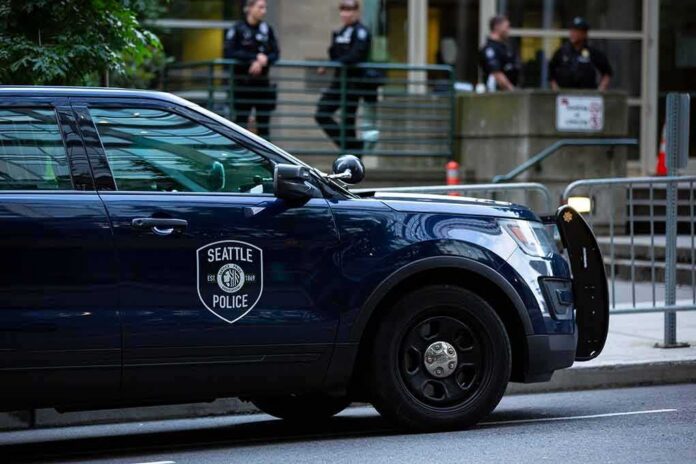
Seattle Police have credited real-time crime center tools with helping solve violent crimes in targeted areas. Local reporting quoted police saying arrests were more likely when officers and detectives used the center’s feeds and tools, and a federal prosecutor praised camera footage that helped identify a suspect after a downtown assault. These cases show cameras can aid investigations, though they do not prove broad citywide prevention or deterrence on their own.
Independent research offers useful boundaries for expectations. Systematic reviews find cameras can produce modest crime reductions, with the strongest results in tightly defined places like car parks. Effects in busy downtown streets are weaker and vary by how systems are monitored and governed. Studies also show mixed results on violent crime. That means cameras can help, but they are not a cure-all. Clear rules, active monitoring, and targeted placement matter for any gains.
Shared Frustrations and What Would Build Trust
Seattle residents, workers, and business owners share two big worries: slow emergency response and a sense that leaders talk more than they deliver. The employer letter asked for timelines, benchmarks, and public reporting. Those requests speak to a broader loss of trust in government follow-through. The mayor’s promised audit, if released in full with clear policy fixes, could answer privacy concerns while also setting a clock for action that people across the city can see and judge.
"Turn on the damn cameras!"
-Seattle CM Rob Saka at the Public Safety Committee meeting today.— Future 42 (@future42org) September 22, 2026
Two steps would reduce the noise and sharpen results. First, publish the audit and a simple rulebook for data use, retention, and access. Second, run a Seattle-specific evaluation that compares crime and response in camera zones versus matched areas over time. That would show what works, where, and at what cost. Both sides cite values the public shares: safety and freedom. Measurable goals, open data, and firm privacy rules can align those values on the ground.
Sources:
pjmedia.com, foxnews.com, americanbazaaronline.com, seattlechamber.com, king5.com, cbsaustin.com, mynorthwest.com, foxbusiness.com, ground.news, seattletimes.com, nypost.com, fox13seattle.com, council.seattle.gov
© patriotsunited.org 2026. All rights reserved.