Hundreds filled a Harlem church to grieve 27-year-old Lovay Williams, as the man accused of killing her faces murder and related charges.
Story Snapshot
- Hundreds attended Williams’ funeral in Harlem, calling for justice.
- Police charged a 41-year-old man with murder after he surrendered.
- Family and neighbors held vigils and spoke about domestic violence.
- Experts say intimate partner homicides are common but undercovered.
Funeral Draws a Crowd and Calls for Justice
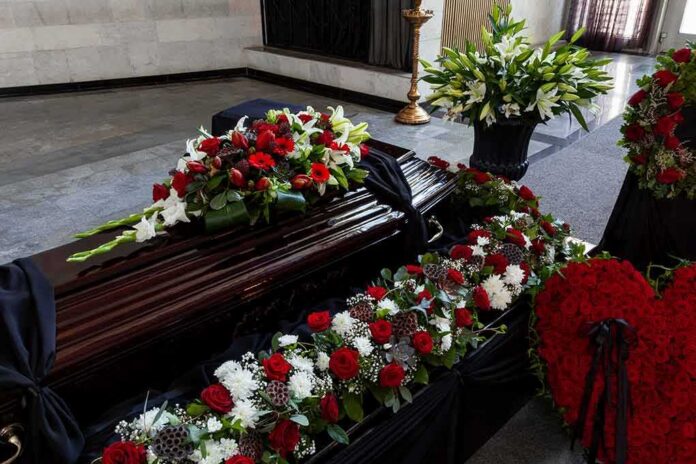
Reporters counted hundreds of mourners at Canaan Baptist Church in Harlem on Saturday. A white carriage with white horses carried the casket, while family and friends wept and shared memories of Lovay Williams. The crowd urged a strong response from the courts and support for Williams’ young daughter. Photos and music inside the church showed a mother known for kindness and grit. Attendees said the service was both a goodbye and a demand for justice in New York City.
Relatives described raw grief outside the service and at earlier gatherings. Coverage identified Williams’ brother and other family members who wore her image and spoke about her love for her child. Neighbors from Washington Heights, where she lived, said the violence scarred the whole block. Advocates who work with victims of abuse called for faster help, safer housing, and steady legal follow-through when warning signs appear. The sense in the crowd was sorrow mixed with resolve.
Police Charges and the Case Status
New York City police charged 41-year-old Tiliek Shamel Thompson with murder after he surrendered to officers. Prosecutors also listed assault, strangulation, and child endangerment among the charges. News reports say he was dating Williams at the time of her death. Police found Williams after a wellness check earlier this month. Authorities say the victim’s seven-year-old child was present during the attack. Thompson was walked from a precinct and arraigned, with the case moving through court next.
Press accounts describe prosecutors outlining evidence and the timeline in court. Reporters said the accused tried to hide evidence and change his appearance. Family members expressed anger during the arraignment and demanded a severe penalty if he is convicted. Defense arguments were not detailed in the early reporting. The criminal case remains active, and the accused has the right to contest the charges. The child’s safety and support needs remain a focus for relatives and advocates.
Community Vigils and The Bigger Pattern of Abuse
Community members in Washington Heights and the Bronx held vigils with candles and balloons to honor Williams. Spanish-language coverage showed residents praying and calling for action against domestic violence. Local television highlighted calls for more training for police, better shelter space, and quicker court protection. Advocates urged neighbors to report threats and seek help early. The events underscored how a single case can rally a neighborhood to push leaders for practical safety steps now, not later.
City data and research show intimate partner homicides are not rare in New York. A city report found 126 such killings over four years, with many cases drawing little coverage. Experts say media often treats each death as a one-off tragedy, not part of a wider pattern. Guidance urges naming domestic violence clearly, tracking warning signs, and centering the perpetrator’s actions. Doing so helps the public see the scope of the problem and press systems to respond better.
Why This Resonates Across Politics
People on the right and left share anger when systems fail to protect a mother and a child. Families expect police, courts, and social services to act fast when danger grows. Neighbors expect clear follow-up when complaints or warning signs stack up. Advocates say steady funding and firm accountability matter more than speeches. Williams’ funeral became a forum for that demand: protect those at risk, move cases faster, and keep survivors safe when they ask for help the first time.
This case will test how well the city coordinates police work, court orders, and victim support. It will also test if the public hears more than heartbreak. The community wants predictable steps: early risk checks, rapid shelter access, and strong enforcement of restraining orders. Many feel the basics should not depend on luck or headlines. As the court case unfolds, the standard is simple and tough: do the systems charged with safety actually keep people safe.
Sources:
nypost.com, bronx.news12.com, unwomen.org
© patriotsunited.org 2026. All rights reserved.