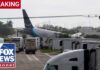

Two people died and six were hurt after an SUV slammed into a Metro bus in Chatsworth, a stark reminder of how one crash can upend an ordinary evening commute.
Story Snapshot
- Los Angeles Fire Department reported two dead and six hospitalized after a bus-SUV crash in Chatsworth.
- First responders found trapped patients and worked an active rescue at 5:03 p.m. on Nordhoff Street.
- Officials have not released a cause; detectives are investigating the crash scene.
- Recent transit safety data show bus collisions are rare but can be especially deadly for people in other vehicles.
What Officials Confirmed About the Chatsworth Crash
Los Angeles Fire Department officials said a Metro bus and an SUV collided at 5:03 p.m. Tuesday on the 20900 block of West Nordhoff Street in Chatsworth. Fire crews reported trapped patients and declared a physical rescue. The department counted eight total patients. Paramedics took six people to local hospitals. Two people were pronounced dead at the scene, according to the department’s alert. Police and traffic investigators closed the area to document evidence and interview witnesses.
Local outlets reported the SUV struck the side of the bus with heavy force, leaving twisted metal and shattered glass across the intersection. Aerial footage showed extensive damage and firefighters working door by door. Officials did not immediately share the identities of the victims or the conditions of those taken to hospitals. Detectives will examine speed, visibility, traffic signals, vehicle condition, and driver actions to determine what led to the crash.
How Crews Responded in the First Hour
Firefighters reached the scene within minutes and began triage on the curb and inside the wrecked vehicles. Crews stabilized the bus and SUV to prevent shifting while they worked. Medics moved the most serious patients first and coordinated with hospitals for incoming ambulances. Police set traffic perimeters to keep bystanders back and clear lanes for rescue vehicles. Utility workers checked for fuel leaks and electrical hazards. Officials urged drivers to avoid the area and follow detours posted by officers.
Investigators will pull any bus data, review street camera footage if available, and collect statements from riders, drivers, and bystanders. That process can take days. Officials often wait for autopsy findings, toxicology reports, and mechanical inspections before sharing conclusions. Agencies then brief the public with what they can confirm. That measured pace can feel slow, but it helps separate early impressions from verified facts.
Why Bus Crashes Hit Other Road Users Hard
Transit research shows that when buses collide with passenger cars, most deaths occur in the smaller vehicle. The size and weight gap shifts risk onto car occupants and people nearby. Federal transit summaries report that fatality rates rose after 2020, and in bus-to-passenger-vehicle crashes, nearly all fatalities are in the other vehicle, not on the bus. That pattern helps explain why scenes like Chatsworth look so severe even when many bus riders survive.
https://twitter.com/LW_WorldNews/status/2100097428053524779
Broader studies find bus collisions are a small share of all traffic crashes, yet they account for a large share of serious harm to people outside the bus. Analysts have called for safer intersections, better operator scheduling, and clearer bus and car visibility at angles where side impacts occur. One recent study found a marked rise in bus collision fatality rates from the 2018–2019 period to 2020–2023, pushing agencies to refresh training and review routes with repeat risks.
What This Means for Riders, Drivers, and the City
For riders and drivers, the lesson is simple but urgent: intersections demand attention, space, and respect for right of way. For the city and the transit agency, the work is harder. Engineers must study line-of-sight, signal timing, turning paths, and lane markings to cut the chances of a side impact. Transit leaders can review operator shifts and stress points on busy routes. Public safety depends on steady fixes, not slogans, and on sharing clear facts after the investigation ends.
Sources:
latimes.com, ktla.com, abc7.com, foxla.com
© patriotsunited.org 2026. All rights reserved.