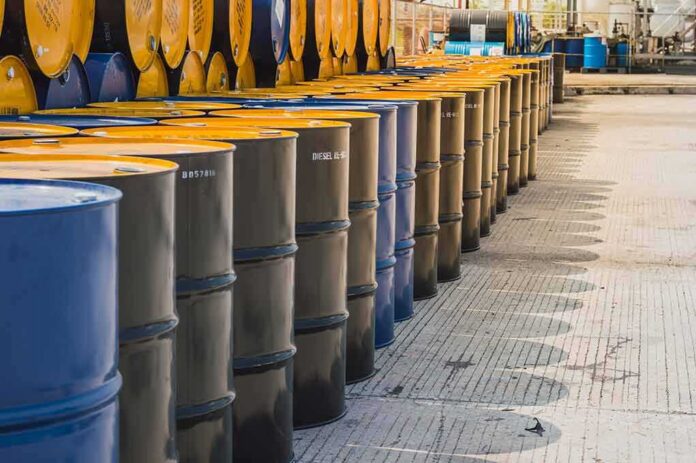
Saudi Arabia says drones from Iraq forced a temporary halt of its East–West oil pipeline, a key route that helps keep global energy flowing.
Story Highlights
- Saudi officials shut the East–West pipeline after drone attacks in the Riyadh and Medina regions.
- Riyadh said the drones came from Iraq and held off on retaliation at Baghdad’s request.
- Iraqi authorities later said they seized a launch platform tied to the incident inside Iraq.
- Specialized teams began securing and assessing the line, which serves as a major Hormuz bypass.
What Saudi Officials Reported After The Strikes
Saudi authorities said multiple drones hit areas along the East–West pipeline in the Riyadh and Medina regions, prompting a temporary shutdown to protect workers and facilities. The Saudi Foreign Ministry stated the drones originated from Iraq and said the kingdom paused retaliation after a request from Iraq’s prime minister, while reserving its right to act to defend its interests. Officials described the shutdown as precautionary and emphasized that damage control and safety checks were underway at the affected sites.
Iraqi officials later said security forces located and seized a drone-launch platform used in the attack inside Iraqi territory, adding a concrete development to the early reports about launch points. Reuters and other outlets noted that it was not immediately clear who carried out the attack, and no group claimed responsibility at the time of the shutdown. That lack of public attribution did not change the operational decision to halt the line while teams assessed safety and prepared repairs.
Why The East–West Line Matters For Global Supply
The East–West pipeline carries Saudi crude from the Gulf to the Red Sea, allowing tankers to bypass the Strait of Hormuz. Reporters and analysts consistently describe it as a vital conduit for the kingdom’s exports and a pressure valve for global markets when Hormuz is at risk. Even a short halt can ripple through shipping schedules and price expectations. That is why Saudi authorities moved quickly to secure the system and outline steps to restore normal operations after the strikes.
Recent history shows this network can rebound after disruptions. Earlier 2026 reporting documented a return to full capacity of about seven million barrels per day following prior attacks, which shaped expectations that repairs can move fast once sites are safe. Still, the exact throughput loss during this shutdown was not pinned down in public reports, and outlets differed on whether all flows stopped or some movements continued as checks progressed. Those gaps reflect market sensitivity and the fast pace of crisis reporting rather than a firm measure of damage.
The Regional Pattern And What Comes Next
Drone and missile strikes on Gulf energy systems aim to do more than break pipes. They aim to create uncertainty, push up risk premiums, and send signals in wider regional disputes. Analysts and newsrooms have tracked this pattern for years, noting that even limited strikes can punch above their weight because they target trust in stable supply, not only hardware in the desert. That is why the East–West line’s status draws global attention whenever it is threatened.
Saudi Arabia shut its East-West oil pipeline after attacks on September 10.
Before the shutdown, the pipeline carried 4 million to 5 million barrels a day, about 4% to 5% of world supply, Reuters reported.
The line runs to the Red Sea, so oil can leave the region without… pic.twitter.com/kg4bVGFgI1
— SD Bullion (@sdbullion) September 16, 2026
For Americans, this matters at the pump and on the balance sheet. When a pipeline that helps bypass Hormuz goes offline, traders price in risk. That can raise fuel costs and strain family budgets already hit by inflation. It also feeds the sense that distant power plays can upend daily life while leaders argue. The practical fix is clear: secure the line, verify integrity, and restore flows. Saudi teams say they are doing that work now, and markets will be watching the restart pace closely.
Sources:
zerohedge.com, gulfnews.com, washingtonexaminer.com, yahoo.com, reuters.com, bloomberg.com, english.news.cn, wsj.com, trtworld.com
© patriotsunited.org 2026. All rights reserved.