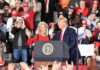

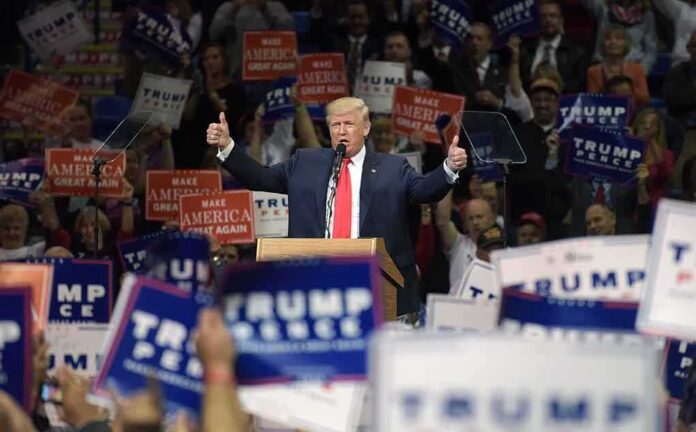
With days before the midterms, President Trump and Barack Obama staged dueling rallies to sway control of Congress, underscoring how national figures now drive local races.
Story Highlights
- President Trump held several rallies to help Republicans keep Congress.
- Barack Obama headlined events to boost Democrats’ bid to flip control.
- Both camps targeted battlegrounds, including Michigan, in a final push.
- Rallies aim to energize turnout and shape the media narrative, not guarantee wins.
Competing Rallies Set the Final Tone of the Midterms
CBS News reported that President Trump scheduled several rallies in the last week before the midterm elections, including in strong Republican states, to help his party hold the House and Senate. Former President Barack Obama also returned to the trail, headlining events for Democrats seeking to flip control. The two figures even appeared in the same battleground region around the same time, signaling a national showdown layered onto local contests in the race’s closing days.
Trump framed his travel blitz as direct help to Republican candidates, telling reporters that his rallies were boosting the party’s chances in close races. CBS reported that his schedule spanned several states, part of a month-long sprint designed to focus voters on national stakes and party control rather than only local issues. Obama’s events sought to channel Democratic energy and sharpen contrasts with Trump’s agenda, particularly in swing areas where close margins could decide control of the House.
What Rallies Do — And Do Not — Change
Political research shows rallies can lift enthusiasm, draw media coverage, and nudge short-term voter preferences, but they rarely decide outcomes on their own. A review of campaign data found rallies help mobilize supporters, attract donations, and set messages that local candidates echo down the stretch. One analysis of recent cycles found measurable short bursts in support tied to rallies, though lasting effects were mixed across states and contests, especially when other forces dominated late news cycles.
Campaigns use these events to signal strength and define what the election is “about.” By choosing locations and guests, parties aim to show broad reach and momentum. That approach fits this year’s pattern: Trump and Obama stepped into tight races to nationalize the stakes and frame the vote as a test of the country’s direction. Their appearances in Michigan and other battlegrounds reflect a belief that in-person energy and earned media can still shape turnout in a fractured news environment.
Why This Matters for Voters Who Feel Shut Out
Many Americans across the spectrum doubt that Washington hears them. These rallies highlight that both parties still rely on big personalities to move numbers, even as daily costs, health care worries, immigration fights, and safety concerns strain families. Supporters on the right hope Trump’s push protects policies they see as pro-growth and tough on borders. Supporters on the left hope Obama’s message checks what they view as excess and unfairness. Each side is asking voters for one more show of faith at the polls.
**Obama just torched Ramaswamy’s mother-ad as “no low too low” while Trump defended it and the Ohio governor’s race flipped Lean Democrat nine days out.**[[1]](https://t.co/Ax0oQmNdho)
[Take 6/15 · D-1]
### 1. The Frame
**What people think this is about:** Obama returning to the…— GrumpyNews, emotionally clean news. (@GrumpyNews_) October 26, 2026
For independents and frustrated partisans, the lesson is practical: rallies are about turnout and headlines. They can sharpen choices but do not fix policy problems on their own. Control of Congress will set the agenda on spending, energy, border strategy, and oversight. If you want action on those issues, voting remains the most direct way to reward or reject what you have seen. The final week’s noise is designed to move you from watching to acting.
Sources:
© patriotsunited.org 2026. All rights reserved.