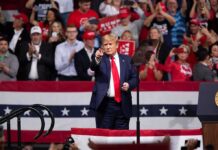

President Trump vowed to “sue news organizations into oblivion” while a federal judge said his White House press ban likely violated the First Amendment.
Story Snapshot
- Trump threatened sweeping lawsuits and banned three outlets from the White House.
- CNN, MS NOW, and Politico sued, and a judge blocked the ban on constitutional grounds.
- Trump’s separate $10 billion case against the BBC pressed defamation claims over a documentary.
- The clash shows how power, access, and libel law collide—and why citizens should care.
What Trump Did And Why It Escalated Fast
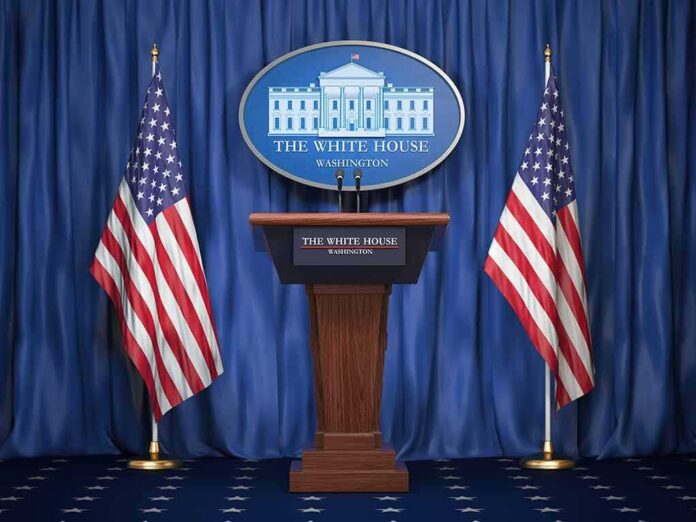
On September 18, 2026, the White House revoked credentials for CNN, MS NOW, and Politico. The administration tied the move to what it called false and harmful reporting. President Trump also posted that these outlets spread “fiction and lies,” and warned others could face action next. The three outlets filed suit. Their complaint said the ban punished reporting the government disliked and cut the public off from vital information about those in power.
The dispute moved quickly into court. A federal judge later issued an order restoring access while the case continued. The judge found the ban likely violated free-speech and due-process rights. That early ruling does not end the case, but it sets markers for what the government can and cannot do when it opens the White House to broad press access. The outlets had argued the government cannot decide who reports what based on viewpoint.
The Lawsuit Over Access Versus The Lawsuit Over Defamation
Trump’s access fight is separate from his defamation push. In another courtroom, Trump sued the British Broadcasting Corporation for $10 billion. His complaint said the documentary “Trump: A Second Chance” falsely painted him and tried to sway the 2024 election. That case was still in discovery. The Associated Press reported BBC lawyers sought to force Trump’s deposition after a delay, leaving key testimony pending and facts untested by a court ruling.
That split screen matters. Denying press access raises First Amendment and due-process issues about government power. Defamation turns on facts, intent, and legal standards set by the Supreme Court. Under the New York Times v. Sullivan rule, a public official usually must prove “actual malice,” which is knowledge of falsity or reckless disregard for the truth. That is a high bar meant to protect tough reporting about government actions.
Claims, Evidence, And The Public’s Stake
The White House complaint linked the ban to prior coverage and a goal to deter future reporting. It did not list specific false statements by the three outlets. That gap makes defamation harder to establish. The judge’s order blocking the ban also undercut the idea that exclusion was a lawful fix for alleged harm. The ruling framed the issue as retaliation for protected newsgathering, which raises alarms across the political spectrum about government picking media winners.
Trump’s supporters say many outlets twist facts, smear opponents, and hide errors. Many liberals say the administration punishes critics and chills speech. Both sides see a system that protects the powerful first. This moment fits a broader trend: politicians use lawsuits, threats, and access control to shape coverage and pressure newsrooms. An Axios review found Trump-related media suits surged compared with past decades, showing litigation as an ongoing tool of political struggle.
Why This Fight Matters Beyond The Beltway
Citizens depend on independent reporting to track spending, policy, and who benefits. When the government closes doors to disfavored outlets, the public loses eyes and ears inside. When media get facts wrong and refuse to correct them, trust falls and people tune out. The court’s early ruling protects access for now, but the deeper test remains: prove what is false, fix what is wrong, and keep the people—not the powerful—as the priority.
Sources:
mediaite.com, cnbc.com, nytimes.com, nbcnews.com, courthousenews.com
© patriotsunited.org 2026. All rights reserved.