
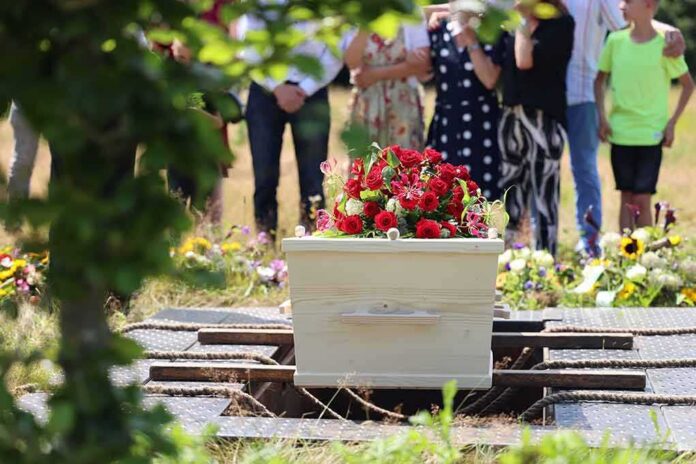
During a family wake in Guatemala, a 15-year-old girl sat up in her coffin and asked for water, shocking mourners and exposing a basic failure in how her “death” was declared.
Story Highlights
- Video from the wake shows the teen moving and being helped out of the coffin.
- The father says no doctor declared death; he relied on absent pulse and breath.
- The teen later said she felt chest heaviness and fainted before the wake.
- World Health Organization guidance stresses medical certification before death is recorded.
What Happened At The Wake In Quiché, Guatemala
Family and neighbors gathered in El Jocote, Sacapulas, in the Quiché region for a wake. They believed 15-year-old Yuleidy Ixcotoyac had died after collapsing with chest pain. Video shared by local outlets shows mourners rushing to help as she sat up inside the coffin. People offered water and guided her out. Reports describe alarm, prayers, and relief as she regained awareness during the vigil, hours after the family first thought she was gone.
Local reporting identifies the teen, the town, and the sequence of events. Outlets say attendees saw movement and heard her speak. These accounts match details captured on video and shared by regional media during the weekend. The event drew wide attention because it flipped the expected order of grief. Mourners who came to say goodbye instead watched her revive. That scene made the story spread quickly on social platforms and in regional news.
How The Family Concluded She Had Died
The father, Abraham Ixcotoyac, said he noted no breathing or pulse while traveling toward care and concluded his daughter had died near San Pedro Jocopilas. He did not reach a hospital. He bought a coffin and held a wake at home. Later reports emphasize that no physician had examined her or issued a medical certificate confirming death before the vigil began. That gap helps explain how a living patient ended up inside a coffin.
The teen later described chest heaviness, then fainting. She said she did not understand herself to be dead. Her first-person remarks were carried by Guatemalan television, adding direct detail to what she felt and remembered before the wake. Her account supports the timeline of collapse, transport interruption, home vigil, and unexpected recovery of consciousness at the ceremony attended by family and neighbors.
Why Proper Death Certification Matters Everywhere
Health standards from the World Health Organization describe how death should be confirmed and certified. Guidance calls for a medical practitioner to determine death and record the cause. That includes checking vital signs and, when needed, confirming prolonged absence of heart and lung activity. These steps protect families and prevent tragic errors that can happen when people rely on lay checks for a pulse or breath in a stressful moment.
The same guidance lists recognized signs of death and outlines how to complete the certificate. The process exists to avoid legal and medical confusion, and to help loved ones understand what happened. In places with limited access to immediate care, families may act fast and do their best. But without a clinical decision, a person who has fainted or has shallow breathing can be mistaken for dead, especially during panic and grief.
Shared Concerns This Case Taps Into
Families on every side of politics worry when systems miss basic duties. People expect clear steps before the state or anyone calls a person dead. This case underlines that point in human terms. A teen with chest pain needed medical evaluation, not a coffin. Communities far from hospitals face hard choices. But simple checks by trained staff can save lives, guard dignity, and prevent scenes that no family should live through at a wake.
Sources:
reduno.com.bo, larazon.es, infobae.com, us.headtopics.com, tvaztecaguate.com, romanews.com.br, conservativeinstitute.org
© patriotsunited.org 2026. All rights reserved.