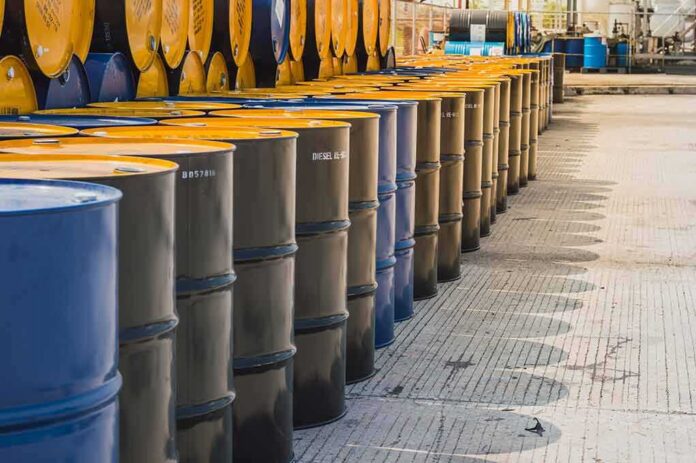
Gas prices are jumping again, and CNN’s Harry Enten says that is “killer stuff” for Republicans trying to hold Congress.
Story Snapshot
- Gas price spikes often damage the party in power and shape midterm messaging.
- Republicans and Democrats have both weaponized fuel costs in campaign ads across cycles.
- Polling finds voters react strongly to pump prices, linking them to incumbent performance.
- Analysts say timing matters: sharp rises near Election Day can sway the mood.
What Enten Said And Why It Matters
CNN analyst Harry Enten tied the latest rise in gasoline prices to political risk, calling it “killer stuff” for Republicans seeking to keep their House and Senate majorities. That framing follows a common pattern in U.S. politics: when fuel prices climb, voters often punish the party in power. Past coverage linked price surges before the 2022 midterms to a tougher road for Democrats, underscoring how cable news connects pump pain to election stakes.
Major outlets have long treated high gasoline prices as a core voter concern, not just a market blip. Reporting during the 2022 cycle described Republicans using fuel costs as a potent tool against Democrats. That coverage noted prices had touched historic highs that summer, giving candidates a simple, memorable message at gas stations and in ads. Even then, analysts warned the effect could shift if prices fell before voting, showing how timing shapes the impact.
How Campaigns Turn Prices Into Votes
Campaigns build messages around daily life pain points. Gas is one of the most visible prices in America. Reporters saw Republican candidates in 2022 work gas stations and local events to tap anger over fuel costs and inflation. That direct, pocketbook focus aimed to boost turnout and win swing voters. Journalists also flagged a limit: not every price swing moves votes by itself, and some voters stick with party identity first.
Both parties now use fuel costs when it fits their case. In 2024, most ads about gas came from Republicans. In 2026, as prices rose under a Republican White House and Congress, Democrats increased their gas-price messaging. The switch shows how parties trade places on the same issue depending on who runs Washington and who gets blamed at the pump. Ad tracking confirms this pivot across cycles and markets.
What Voters Say About Price Shocks
Surveys continue to find that gasoline prices rank high on voter worry lists. A Reuters/Ipsos poll in 2026 reported that spikes tied to global tensions fed voter concern and risked the governing party’s standing. Another Reuters report noted that even a move past key price marks can test public patience, especially when tied to fears of a broader conflict’s impact on supply and costs.
Issues the #GOP is going to regret not addressing before the midterms: 1- Gas Prices 2-Data Centers 3-Flock cameras 4-Gas prices. There is little chance GOP will maintain Congress if they don’t empathize w/ the biggest concerns of the base. Thank you for coming to my #TedTalk
— Scottie Nell Hughes (@scottienhughes) September 15, 2026
Academic and policy research backs the link between fuel prices and political mood. Studies have found that higher gasoline prices are often associated with lower approval for the party in power. Research also shows that long commutes and higher fuel use can magnify political effects in certain districts. While scholars differ on the exact size of the effect, they agree that price spikes can amplify frustration in close races.
Why This Resonates Across The Spectrum
Rising gas costs hit workers, small business owners, and families who drive long distances. Conservatives see price spikes as proof that elites in Washington ignore energy realities and drive up costs. Liberals see them as evidence that working households shoulder the load while powerful interests profit. Both sides agree on one point: when leaders fail to manage core costs, faith in government drops. That shared anger gives fuel prices unusual political power.
Key Limits And The Timing Factor
Journalists and analysts caution that fuel prices do not decide elections alone. Prices can swing fast. A surge in early fall can fade by November. Broader forces like wages, jobs, and local issues also matter. Still, coverage from 2022 and 2026 shows that late spikes tend to harden views and shape final-week ads. Enten’s warning fits that history: a sharp rise near Election Day often hurts the party in charge more than the opposition.
Bottom Line For 2026
If prices keep rising, Republicans face the same risk Democrats faced in 2022. Voters often connect the price at the pump to who holds power. Campaigns will not waste that signal. Expect more ads, more station-side events, and louder claims about energy policy. Enten’s line sticks because it speaks to a simple truth: when filling up hurts, people look to Washington and judge the folks in charge of it.
Sources:
mediaite.com, transcripts.cnn.com, nypost.com, reuters.com, rawstory.com
© patriotsunited.org 2026. All rights reserved.