Officials say a federal immigration agent shot a man after a short foot chase in North Austin, and the missing video is now fueling street protests and distrust.
Story Snapshot
- Austin officials confirmed a federal immigration agent was involved after a brief foot pursuit.
- Emergency crews said the man was shot in the torso and is in serious but stable condition.
- City, state, and federal units opened parallel use-of-force investigations.
- Rep. Greg Casar demanded body-camera footage and an independent probe.
What Austin Officials Confirmed About the Shooting
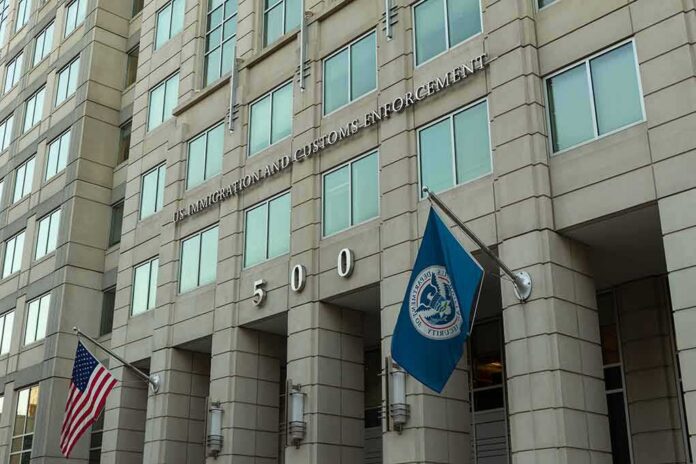
Austin’s police chief said early reports showed a brief foot pursuit before the shot was fired. She said a federal immigration agent was involved, and that Austin police were not part of the shooting itself. The mayor said city investigators are working with federal partners. This places the event within an active enforcement action, not a random encounter. Officials stressed that details are preliminary, which means key facts may change as evidence is reviewed.
Emergency medical leaders said an adult man was hit in the torso. Medics took him to a local trauma center in serious but stable condition. That description suggests a fast, close encounter rather than a long standoff. A law enforcement source told reporters the man is a Venezuelan national with a final removal order, which would explain why agents tried to detain him, though that specific point relies on an unnamed source.
Who Is Investigating and Why It Matters
Austin’s Special Investigations Unit, the Texas Rangers, and Homeland Security Investigations all joined the inquiry. That mix shows this is being handled as an official use-of-force case. Federal immigration reports say firearm discharges by agents are rare but recurring, and reviewed by internal bodies each year. The presence of multiple agencies can build trust for some, but critics say “insiders probing insiders” still leaves doubt without public records or video.
No body-camera video, radio traffic, or full incident report has been released yet. City officials called the information preliminary and incomplete. Federal policy on body-worn cameras can slow public release because of privacy rules and review steps, which often frustrate both supporters and critics of enforcement. Delays can deepen suspicion. But releasing footage too fast can miss needed redactions and context. The balance here affects public trust more than any press statement ever could.
Competing Demands: Accountability, Safety, and the Rule of Law
Representative Greg Casar demanded an independent investigation and the immediate release of full body-camera video. He also said any officer who broke the law must face consequences. His push reflects worries that force can be misused and then poorly explained. City leaders echoed the need for a probe that is not run by the federal agency alone. Those calls speak to a larger fear that powerful agencies can avoid sunlight unless forced by outside pressure.
Texas Democratic Congressman Greg Casar called for an investigation into the shooting– and told reporters ICE should leave Austin. DHS has not commented on what led up to the shooting or what prompted the ice officer to open fire.
Get the latest headlines from the Fox News…
— FOX News Radio (@foxnewsradio) September 21, 2026
Supporters of strict enforcement point to the reported removal order and the foot pursuit. They argue agents face real risks and must act fast when a suspect flees. Civil liberties advocates ask core questions that remain unanswered: Was the man armed? Did he pose an immediate threat? Were there safer options? Until footage and reports come out, both concerns are valid. People across the spectrum now agree on one thing: the government must show clear facts and own the outcome.
Why This Case Hits a National Nerve
This clash lands in a country tired of half-answers. Many feel the system protects itself first and the public second. Federal immigration data shows a small number of shootings each year, but each one becomes a proxy fight over immigration, police power, and fairness. When information drips out slowly, it lets rumors fill the gap. That hurts agents who did things right and victims who deserve the truth. Fast, verified records can stop that cycle before it hardens.
What to Watch Next
Watch for the timeline of any video release, 911 or dispatch audio, and a clear narrative from investigators. Look for a statement on whether a weapon was found. Track whether an outside agency, not only federal units, leads the public report-out. Follow how quickly medical and forensic findings are summarized. These steps are basic, not partisan. They help rebuild trust for conservatives who want firm law and order and for liberals who want limits on force that honor civil rights.
Sources:
nypost.com, independent.co.uk, kxan.com, nbcdfw.com, casar.house.gov, fox13seattle.com
© patriotsunited.org 2026. All rights reserved.