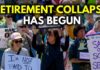
Within hours of the ICE shooting that sparked outrage in Austin, multiple named activist groups rolled out calls, flyers, and rallies—showing fast, organized mobilization that many residents now see as anything but “spontaneous.”
Story Highlights
- Local outlets named socialist-linked groups as protest organizers at several Austin events.
- Hands Off Central Texas, Party for Socialism and Liberation, and others coordinated rallies and logistics.
- CBS Austin reported protesters gathered at the Travis County Jail and voiced explicit anti-ICE demands.
- Evidence proves rapid organization, but not a single command hub behind all protests.
What Happened After The Shooting
Local reporting shows how the protests formed and grew after the ICE shooting. CBS Austin said protesters gathered outside the Travis County Jail. A Dare to Struggle Austin member condemned deaths in detention and shootings by ICE agents. The Austin American-Statesman reported that groups such as the Party for Socialism and Liberation, Palestinian Youth, Students for a Democratic Society, and Young Active Labor Leaders helped organize events. The Austin Chronicle linked the Austin Party for Socialism and Liberation to a Pflugerville protest, showing direct organizer roles.
Fox 7 Austin reported that a June 2025 protest in Austin was organized by the Party for Socialism and Liberation and aimed to oppose deportations under the Trump administration. Reporting Texas described flyers at a later protest that promoted groups including the Freedom Road Socialist Organization, indicating prepared messaging and on-the-ground outreach. Together, these reports show a pattern: named groups moved fast, promoted events, and supplied logistics like signage and roles, turning anger into organized action within hours or days.
How Much Was Planned Versus Spontaneous
Evidence confirms coordinated roles by specific organizations, but it does not prove a single central command. Some summaries claim far-left orchestration and cite rapid social media blasts and “emergency” graphics, yet they rely on secondary roundups rather than full archives of original posts. The Statesman and CBS Austin name multiple organizers at different events, which supports coordination. But those stories do not show documents such as shared planning calls, master scripts, or joint finance records linking every protest into one chain.
The public record also shows events that were planned and announced. The Austin Chronicle reported a protest monitor count above seven hundred at City Hall and noted a pre-announced student walkout, which signals structured mobilization. At the same time, earlier reporting described spontaneous turnouts in Austin after immigration arrests, suggesting fast crowd formation can happen first, with formal organizers adding structure later. That is common in modern protest waves and does not alone prove top-down direction.
Why This Matters To Public Trust
Many Americans on the right and left worry that powerful networks steer public life while ordinary people pay the price. These Austin protests hit that nerve. Supporters say they exercised free speech and pushed city leaders to limit cooperation with Immigration and Customs Enforcement. Opponents see branded coalitions, flash calls, and trained marshals as proof of a machine that manufactures consent. The facts so far show named organizers played real roles, but a single hidden hub remains unproven.
AUSTIN | SOCIALIST & COMMUNIST GROUPS ACCUSED OF COORDINATING ‘SPONTANEOUS’ ANTI-ICE PROTESTS
New details are emerging about the anti-ICE demonstrations that erupted in Austin, Texas, after an ICE officer shot and wounded a Venezuelan man during a law-enforcement encounter.
— CSB News USA (@csbnewsus) September 22, 2026
For readers who want clarity over spin, here is the bottom line. Multiple outlets documented that socialist-aligned and allied groups organized several Austin-area anti-ICE actions, including rallies, walkouts, and jail-side gatherings. Those details align with a larger trend: digital tools allow groups to mobilize crowds in hours, not weeks. Secondary write-ups claim deeper orchestration, but they have not posted the original planning records. The strongest claims still need primary documents to close that gap.
What To Watch Next
Key proof would include timestamped social posts from each group, event permits, and any shared media kits or donor links that show joint planning. Local records, such as police crowd logs and city permit files, could map who reserved spaces, handled sound, and served as marshals. Newsrooms and organizers may hold screenshots and flyers that fix the timeline of who called the first rally and who amplified it. Until then, the verified record supports swift, multi-group organization—but not a single mastermind.
Sources:
foxnews.com, mixvale.com.br, us.headtopics.com, cbsaustin.com, statesman.com, yahoo.com, fox7austin.com, kut.org
© patriotsunited.org 2026. All rights reserved.