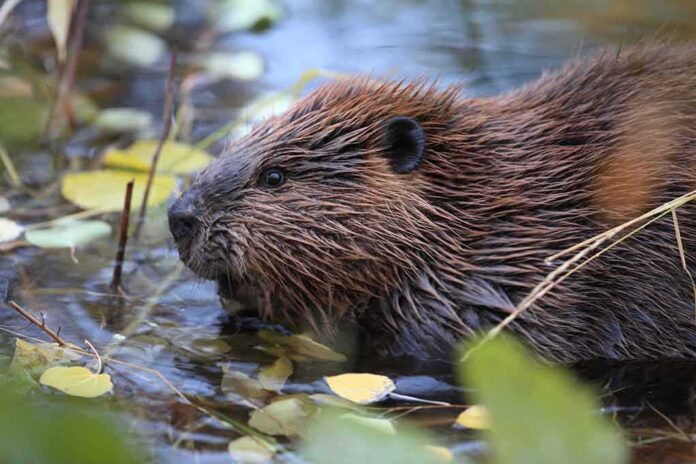
A rabid beaver attacked an eight-year-old boy and multiple other visitors at a New Jersey lake, exposing a troubling gap in public awareness about wildlife health threats that local authorities say are becoming more common.
At a Glance
- Mahwah Township Health Department confirmed the beaver tested positive for rabies after attacking several people, including a child, at Lake Henry on Sunday, May 3.
- An eight-year-old boy was bitten on the upper thigh while fishing; a family friend intervened to stop the attack, and he was hospitalized for treatment.
- Police and health officials report the beaver charged unprovoked from the water—a classic rabies symptom in wildlife—and had contact with multiple victims before capture.
- Rabies cases involving beavers have increased significantly in New Jersey over the past decade, yet public safety messaging remains generic and underemphasized.
Attack at Continental Soldiers Park
On Sunday, May 3, at approximately 6 p.m., an eight-year-old boy was fishing near the shoreline of Lake Henry in the Continental Soldiers Park complex in Mahwah, New Jersey, when a beaver exited the water and charged him without provocation [1]. As the child attempted to flee, he tripped on the bank and was bitten on the upper thigh [1]. A family friend intervened, kicking and hitting the animal to force it away [1]. Emergency Medical Services transported the boy to Good Samaritan Hospital in Suffern, New York, for treatment [4].
Health Department Confirms Rabies Diagnosis
Animal control officers responded to the park and captured the beaver after determining it showed signs of possible illness [4]. On Tuesday, May 5 or 6, the Mahwah Township Health Department announced via Facebook that the beaver had tested positive for rabies and had contact with several people [1]. The health department stated that “individuals who were bitten are currently receiving treatment” and urged anyone who had contact with the animal to notify officials immediately for medical assessment [1]. Officials emphasized that any warm-blooded animal can carry rabies and advised park visitors to avoid wildlife [1].
Multiple Victims and Ongoing Risk
The incident affected more than just the eight-year-old boy. Police acknowledged reports that the beaver had attacked other people at the park earlier that day, though exact victim counts and injury severity have not been publicly released [2]. Video footage circulating on social media captured the chaotic encounter, showing the beaver’s aggressive behavior toward the family and dogs present at the scene [3]. The lack of detailed incident reporting has left questions about the full scope of exposure and whether all bitten individuals have sought post-exposure prophylaxis treatment [2].
A beaver attack incident from Sunday, May 4, 2026 (or around there), at Lake Henry in Continental Soldiers Park, Mahwah, New Jersey.
An 8-year-old boy was fishing near the shoreline when a beaver came out of the water, charged him, and bit him on the upper thigh after he tripped… pic.twitter.com/rkUc0kAweb— CeCe (@cecegkh) May 7, 2026
Growing Pattern of Beaver Rabies in the Northeast
This attack reflects a broader public health trend often overlooked in routine wildlife warnings. Rabies cases involving beavers in New Jersey have risen markedly over the past decade, with the state documenting twelve wildlife rabies cases involving beavers from 2018 to 2022, compared to zero cases before 2010 [1]. The increase correlates with beaver population growth from reintroduction efforts and habitat restoration across the region. Aggressive, unprovoked attacks—such as charging from water—are recognized rabies symptoms in rodents, occurring in roughly 1 to 2 percent of tested beavers [1]. Yet public messaging from health departments remains generic, often lumping beavers with raccoons, bats, skunks, and foxes without distinguishing emerging threats [1].
Disconnect Between Official Guidance and Public Preparedness
While the Mahwah Township Health Department issued standard warnings to avoid wildlife, the incident underscores a critical gap: park visitors, families, and local officials may not fully grasp that beavers—once considered harmless or merely nuisance animals—now pose documented rabies transmission risks in areas like New Jersey [1]. The Centers for Disease Control reports that wildlife account for over 90 percent of annual animal rabies cases in the U.S., yet educational campaigns rarely single out beavers as an emerging vector [1]. This disconnect leaves communities vulnerable to preventable exposure and delays in treatment-seeking behavior when attacks occur [4].
Sources:
[1] Rabid beaver attacks 8-year-old boy in New Jersey park: reports
[2] Rabid beaver attacks boy fishing in New Jersey lake
[3] Video Rabid beaver seen attacking family at New Jersey lake
[4] Boy, 8, hospitalized after being attacked by rabid beaver in New …