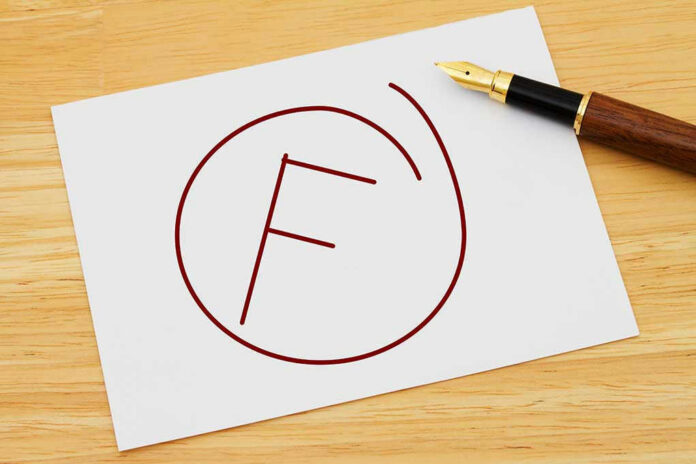
New York taxpayers are shelling out over $36,000 per student—approaching the $40,000 mark in some districts—yet their children rank a dismal 46th in fourth-grade math nationwide, exposing a staggering disconnect between skyrocketing education spending and actual student performance.
Story Snapshot
- New York’s per-pupil spending hit $36,293 in 2024-25, nearly double the national average, while student test scores remain middling
- Washington D.C. spent $37,835 per student in 2020-21, approaching the $40,000 threshold with lackluster academic returns
- Nearly 80% of education budgets go to salaries and benefits, raising questions about spending priorities versus outcomes
- Low-spending states like Idaho allocate just $11,686 per pupil, highlighting dramatic disparities in education funding across America
Record Spending, Mediocre Results
New York State allocated $36,293 per pupil for the 2024-25 school year, totaling $89 billion in education spending—a 21% increase since 2020-21. This figure places New York 91% above the national average and positions it as the highest-spending state in the nation. Despite this massive investment, fourth-graders in New York rank 32nd in reading and a troubling 46th in math on National Assessment of Educational Progress scores. Washington D.C. spent $37,835 per student in 2020-21, edging closer to the $40,000 mark while delivering similarly underwhelming academic performance compared to states spending far less.
Where the Money Goes
Salaries and benefits consume approximately 79% of public education budgets nationwide, according to National Center for Education Statistics data. Support services have increased 17% over the past decade, contributing to the steady rise in per-pupil expenditures from $14,453 in 2010-11 to $16,280 in 2020-21—a 13% inflation-adjusted increase. New York’s spending has grown at an annual rate of 4.9% over four years, fueled by a 29% increase in state aid since 2020-21. This allocation pattern raises fundamental questions about whether throwing more money at the problem addresses the root causes of educational underperformance or merely enriches the system’s bureaucratic infrastructure.
The Taxpayer Burden and National Context
New Yorkers bear one of the heaviest education tax burdens in America, spending 4.73% of income on public schools compared to lower-spending states. The national average per-pupil expenditure remains between $15,000 and $18,000, with states like Idaho spending just $11,686 per student. Funding comes primarily from state sources at 46.7% and local property taxes at 45.6%, with only 7.7% from federal coffers. The United States dedicates 4.96% of GDP to education, slightly below the developed-nation average of 5.59%, yet outspends most countries on a per-pupil basis at the primary and secondary levels according to OECD data.
The Accountability Question
The Citizens Budget Commission highlights New York’s paradox of “highest costs, middling marks,” pointing to a fundamental failure in accountability and priorities. While research from the Public Policy Institute of California indicates that increased spending can improve test scores and graduation rates when properly allocated, the disconnect in high-spending states suggests systemic inefficiencies. Critics argue this represents a classic government failure: pouring taxpayer dollars into a bloated system more concerned with protecting jobs and union interests than delivering results for students. The approaching $40,000-per-pupil threshold in some districts—enough to fund a private school education—without commensurate academic excellence exposes how the education establishment prioritizes institutional preservation over the educational outcomes parents expect and children deserve.
Sources:
Public School Expenditures – National Center for Education Statistics
Highest Costs, Middling Marks – Citizens Budget Commission
Per Pupil Spending by State – World Population Review
Understanding the Effects of School Funding – Public Policy Institute of California