
El Paso medical examiner rules ICE detainee death a homicide from guard restraint, exposing deadly failures in privatized camps amid Trump’s border enforcement surge.
Story Snapshot
- 55-year-old Cuban Geraldo Lunas Campos died January 3, 2026, at Camp East Montana; autopsy confirms homicide by asphyxia from neck and torso compression during restraint.
- ICE shifted narrative from “medical distress” to “suicide attempt with resistance,” contradicted by witnesses who saw guards choke him.
- Camp East Montana, a private contractor-run tent facility on Fort Bliss base, saw three deaths in two months, fueling accountability concerns.
- 2026 marks 18th ICE detainee death already, on pace to shatter records after 2025’s 31 fatalities—the highest in over 20 years.
- Congressional Democrats demand transparency from DHS Secretary Kristi Noem as detention hits 70,000 daily amid unpaid medical bills.
Homicide Ruling Challenges ICE Narrative
Geraldo Lunas Campos, a 55-year-old Cuban with bipolar disorder and anxiety, died on January 3, 2026, at Camp East Montana on Fort Bliss Army base. The El Paso County Medical Examiner’s Office ruled the death a homicide on January 21, citing asphyxia from neck and torso compression during physical restraint by law enforcement. Toxicology confirmed his medications were present. Fellow detainees reported witnessing guards choke Campos, directly contradicting federal accounts.
ICE first announced on January 9 that Campos suffered “medical distress.” By January 16, the agency revised this to a suicide attempt where he “violently resisted security staff,” causing him to stop breathing. DHS Assistant Secretary Tricia McLaughlin echoed the suicide claim. The medical examiner’s independent autopsy dispelled this, as expert Charlotte Weiss noted it “completely dispels the government’s claim.”
Deadly Pattern at Privatized Facility
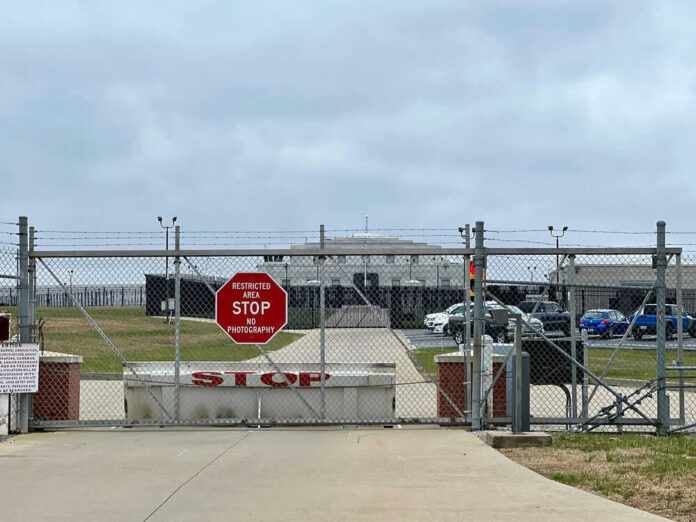
Camp East Montana operates as a tent-based detention site managed by a private contractor, housing thousands amid border enforcement. Two prior deaths occurred there in the preceding two months: one from a medical condition in December 2025, and Victor Manuel Diaz, 34, from Nicaragua, on January 14, 2026, listed as presumed suicide. ICE detains over 70,000 daily in 2026, the highest in years, coinciding with expanded capacity under President Trump’s second term.
Systemic issues plague these facilities. ICE stopped paying third-party medical providers since October 2025, leading to denied services, medication delays, and poor mental health care. These failures link to heightened suicide risks and neglect. 2025 recorded 31 custody deaths, the most in over two decades; six more followed in January 2026 alone, including three suicides, putting 2026 on track for a grim record.
Congressional Scrutiny and DHS Response
Representative Pramila Jayapal led a January 28 congressional letter to DHS Secretary Kristi Noem and ICE Acting Director Todd M. Lyons, citing Campos’s homicide amid six January deaths. The letter demands transparency on use-of-force policies, medical payments, and oversight dismantled under the administration. DHS responded without addressing the ruling, stating investigations continue and emphasizing detainee safety commitments.
Privatization creates accountability gaps, as contractors handle operations with limited direct ICE control. Witness accounts and autopsy evidence highlight risks of restraint on mentally ill detainees. No charges or personnel actions announced yet. Broader implications include potential audits, litigation, and shifts from tent camps, as families and communities lose trust in detention safety.
Sources:
[PDF] January 28, 2026 The Honorable Kristi Noem Mr. Todd M. Lyons …
Death of a detainee at an ICE detention center in Texas is ruled a …
El Paso medical examiner rules death in ICE camp a homicide