
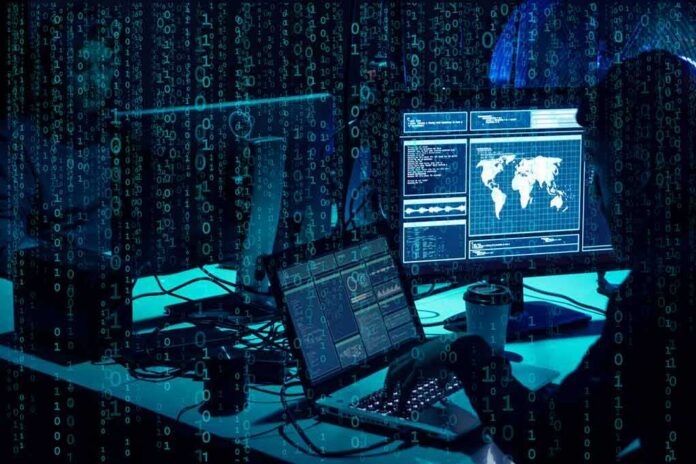
U.S. government records and new reporting show North Korea built a pipeline to train hackers who have stolen billions in digital cash, funding a hostile state while regulators and banks scramble to keep up.
Story Snapshot
- U.S. Treasury and Justice Department tied named hacker groups to North Korea’s intelligence service.
- Officials said North Korea trains cyber teams to hit banks and crypto platforms, then launder the money.
- Reuters reported a student pipeline that starts around age 11–12 and feeds elite cyber units.
- Treasury named a key university as a source of recruits for cyber units and cited a $620 million crypto theft.
What U.S. officials have formally linked to North Korea
The U.S. Treasury said in 2019 that Lazarus Group, Bluenoroff, and Andariel are agencies or controlled entities of North Korea’s government tied to the Reconnaissance General Bureau, the state’s intelligence service. In 2020, Treasury added that North Korea trains cyber actors to target financial institutions and launder stolen funds. These actions are policy moves, but they rest on intelligence and years of observed hacks, giving weight to the charge that the program is state directed.
The U.S. Department of Justice tied individuals to this ecosystem. A 2018 criminal complaint alleged programmer Park Jin Hyok worked with a North Korea–sponsored team called Lazarus Group and used a front company to support its work. A 2021 indictment accused three named operators of a broad hacking scheme run from North Korea’s military intelligence, including theft and extortion across banks and cryptocurrency targets. These are allegations in court filings, not convictions, but they outline how U.S. officials connect people to command structures.
How the training pipeline is described
Reuters reported that North Korean authorities pick about 150 to 200 children each year, starting around ages 11 to 12, for advanced training in math, coding, and foreign languages. The report quoted a former trainer and defectors who said top students go to elite schools and then to cyber units. This account fits a pattern of long-term grooming for technical roles. However, the figures and curriculum details rely on interviews, not open North Korean records, which limits outside confirmation.
The U.S. Treasury has identified one key node in that path. A 2023 release called Pyongyang University of Automation a premier cyber-instruction hub whose graduates often enter cyber units under the Reconnaissance General Bureau. That description supports a structured feeder system. Together, the Reuters interviews and Treasury designations point to a state program that spots talent early, trains intensively, and assigns graduates to military cyber roles, even if some internal steps remain opaque to the public.
What the hackers have done and why it matters
North Korean-linked groups shifted from headline-grabbing disruptions to steady theft. Treasury said Lazarus Group stole about $620 million in virtual currency from the Ronin blockchain tied to Axie Infinity on March 23, 2022. That figure is one of the clearest public markers of scale. Such raids help North Korea raise hard currency under sanctions. Each high-value breach also ripples through markets, forcing exchanges, banks, and small investors to bear the cost through fees, losses, and tighter rules.
Analysts say this evolution matches pressure from sanctions and the lure of fast-moving crypto targets. The pattern includes social engineering, malware, and quick laundering across mixers and cross-chain tools. U.S. actions—designations, indictments, and advisories—aim to raise costs and close money routes. But enforcement gaps remain global. When hackers exploit weak controls in one country, the funds can move before teams can freeze them, a fact that frustrates both conservatives and liberals who see a system that protects insiders more than citizens.
Why both left and right see a governance failure
Americans hear that a sanctioned regime can rob digital vaults halfway around the world and then slip the money into weapons and luxury goods. They see agencies and lawmakers argue while criminals sprint. Conservatives point to weak borderless finance rules and a globalist system that shifts risk to families and retirees. Liberals point to rising inequality and light-touch oversight of tech platforms. Both sides agree that government processes lag threats and that the costs land on regular people, not on well-connected elites.
🔐 North Korea’s Secret Army of Hackers: How Kim Jong Un Built a Cyberwarfare Machine Behind the 3 Billion Binance Heist
-Fact Checker: ✅: 5 ❌: 0 || 5/5 → Score: 100% 🦾
-Prediction: 📈 4 Positive | 📉 1 Negativehttps://t.co/c3r4wCaimI— Undercode News (@undercode_news) November 6, 2026
Plain steps can help, but they demand follow-through. Clear know-your-customer rules for crypto off-ramps, faster asset-freeze cooperation, and firm penalties for mixers used to wash stolen funds can cut the payoff. Better school-to-work cyber programs at home can also meet the threat with talent. These choices are not partisan. They are basic guardrails. The record shows North Korea built a real cyber program with trained people, command links, and large thefts. The question is whether our systems will adapt in time.
Sources:
youtube.com, reuters.com, businesstimes.com.sg, techtarget.com, justice.gov, biz.heraldcorp.com
© patriotsunited.org 2026. All rights reserved.