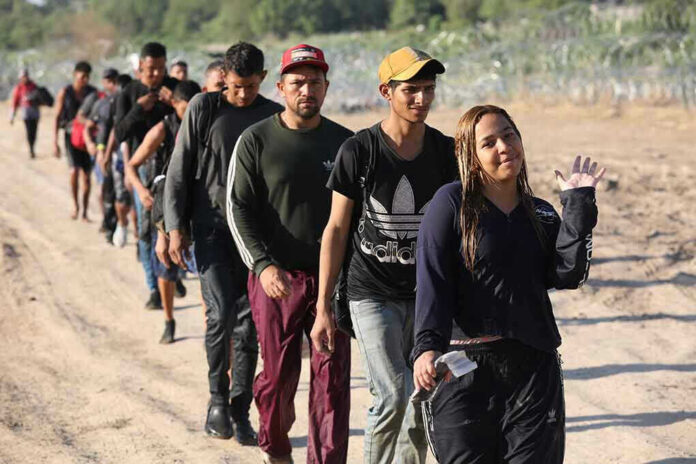
A caravan of roughly 500 people left Tapachula, Mexico, to demand papers and permission to work after months of waiting in place.
Story Snapshot
- About 500 migrants marched from Tapachula to protest long delays for documents.
- Many said they want legal status in Mexico and a chance to find steady work.
- Mexico has concentrated asylum seekers in the south, creating a chronic backlog.
- Some past caravans have stalled as authorities break up groups before the border.
What Happened In Southern Mexico
Reporters on the ground said about 500 people left Tapachula, near the Guatemala line, and moved north in a single group. Marchers said they were protesting slow paperwork and asking to relocate to cities with more jobs. Local coverage matched those details and added that many in the group hope for legal status in Mexico so they can work without fear of detention. This was not the largest convoy seen in recent years, but it was organized and visible.
The Associated Press noted that this group walked to draw attention to the wait times and to get authorization to move beyond Tapachula. Prior marches have used the same tactic. Organizers often say public pressure is the only way to get a response from offices that face heavy demand. People in the march came from several countries and shared a common problem: little income while they waited and few legal ways to support their families during the delay.
Why Tapachula Keeps Producing Caravans
Mexico has tried to hold most asylum seekers in the southern region, far from the United States border. That approach has created a bottleneck. Many people spend months trying to regularize their status. Jobs are scarce in a city that already struggles to absorb new workers. Aid groups and past investigations have described Tapachula as a place of “forced waiting,” with long lines, crowded shelters, and rules that limit travel while cases are pending.
Analysts and rights groups have traced caravan formation to this exact setup: people stuck for months, blocked from moving, and unable to work legally. Traveling in a large group is a way to move without being picked off at checkpoints one by one. Academic work and field reports link these conditions to repeated, smaller caravans over several years, even when each group is different in size and makeup. The march from Tapachula this week fits that pattern.
What Comes Next And Why It Matters
Mexican authorities have sometimes broken up small caravans before they reach the interior. Local outlets said that could happen again, since recent groups were dispersed on the road and sent back to wait or to process papers in place. That means many walkers may not reach the United States border. For them, the aim is often simpler: get transit permission, reach a job market inside Mexico, or restart stalled asylum steps closer to work and housing.
NEW: NEW: DHS confirms to @FoxNews that Border Patrol is actively tracking a migrant caravan that originated in Honduras and is now moving through southern Mexico with hopes of reaching the US/Mexico border. DHS is warning the migrants that catch and release is over, and anyone… pic.twitter.com/xxYxfKiZNT
— Vince Sheetz (@VinceSheetz) September 29, 2026
For readers left and right, the takeaway is clear. A jammed system in the south keeps producing visible marches that alarm communities and strain trust in government. People who want stricter borders see rules not being enforced. People who want dignified asylum see months-long waits with no work options. Both sides see process failure. This latest caravan underscores a basic point: without faster case decisions and viable work paths, Tapachula will keep turning backlogs into movement on the roads.
Sources:
aljazeera.com, apnews.com, foxnews.com
© patriotsunited.org 2026. All rights reserved.