
Trump’s latest line about a judge “declaring sports unconstitutional” is a loud example of how a real legal fight can turn into a sweeping political slogan.
Quick Take
- Trump made the remark while hosting Olympic athletes at the White House and said a judge declared sports unconstitutional.
- Coverage says he was likely attacking a sports ruling tied to college athletics or transgender participation, not sports itself.
- The Minnesota Attorney General’s office has already rejected Trump’s Title IX framing in a separate sports dispute.
- The public record shows a real policy fight, but not a court opinion that literally outlawed sports.
What Trump Said at the White House
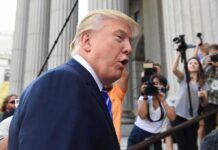
Trump made the comment during a White House ceremony for Team USA athletes. He said, “We had a bad judge’s decision, and, uh, a judge that knew nothing about sports declared sports unconstitutional. Can you believe it?” The line came as he praised his administration’s effort to defend women’s sports and college sports.
The setting matters because Trump was not speaking in the abstract. He was tying the remark to a live political fight over who gets to set the rules in college sports and women’s athletics. The remark also fits his long pattern of attacking judges who block or reshape parts of his agenda, especially when the issue touches culture and identity.
What the Record Actually Shows
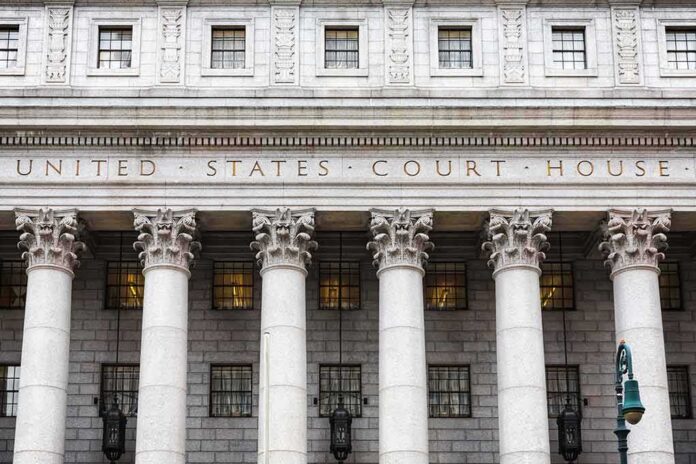
The available reporting does not show any court ruling that declared sports, as a whole, unconstitutional. Fox News says Trump was likely referring to Judge Claudia Wilken and an antitrust ruling that affected NCAA compensation rules, which is a very different legal issue. Other coverage links his complaints to college sports payments, name, image, and likeness disputes, and transgender-athlete litigation.
That difference matters. An antitrust ruling says a business rule broke competition law. It does not mean the sport itself is illegal or unconstitutional. The same is true in the transgender-athlete debate. The Supreme Court has allowed states to bar transgender students from girls’ and women’s sports, but that is still a sports-regulation fight, not a ruling that sports itself is unconstitutional.
Why This Line Keeps Showing Up
Trump’s remark lands because the public has seen repeated court fights over athletics. Those fights include NCAA pay rules, athlete transfers, and transgender participation. Trump has also used the same message in earlier comments, saying judges with no sports knowledge had turned the system upside down. That kind of shorthand is easy to repeat, but it can blur the line between a narrow ruling and a broad claim.
Trump Claims, ‘A Bad Judge Declared Sports Unconstitutional’ https://t.co/UIPSwrgBnZ
— Mediaite (@Mediaite) August 7, 2026
There is also a sharper legal split behind the politics. Minnesota’s attorney general said Trump’s “Sports Ban Order” has no force of law in that state and does not override state protections for transgender students. In plain terms, the fight is about power, Title IX, and state control over school sports. It is not about a court ending athletics as a category, even if the rhetoric makes it sound that way.
That gap between the actual ruling and the sound bite is where a lot of public distrust grows. Supporters hear Trump warning that judges are overreaching. Critics hear him flattening real legal disputes into theater. Both reactions reflect a deeper frustration with institutions that now seem to settle major social fights without clear answers people trust.
Sources:
mediaite.com, rawstory.com, youtube.com, foxnews.com, marathonhandbook.com, ag.state.mn.us, bloomberg.com, nlc.org, en.wikipedia.org, theguardian.com, supremecourt.gov, whitehouse.gov
© patriotsunited.org 2026. All rights reserved.