A new Trump-brokered peace deal will let Iran start selling oil again immediately, raising big questions about security, prices, and how far sanctions should really bend.
Story Snapshot
- Trump’s interim peace deal with Iran reportedly includes instant sanctions waivers so Tehran can resume oil and fuel exports as soon as the agreement is signed.[1]
- The relief is pitched as “performance-based,” tied to Iran keeping the Strait of Hormuz open and not pursuing a nuclear weapon, but the full legal text is still secret.
- Global markets cheered the news as oil prices dropped and stocks surged on hopes of cheaper energy and less war risk.[5]
- Conservatives now face a hard trade-off: short-term relief at the pump versus empowering a hostile regime that has long used oil money to fund chaos.
What This Iran Oil Deal Actually Does Right Now
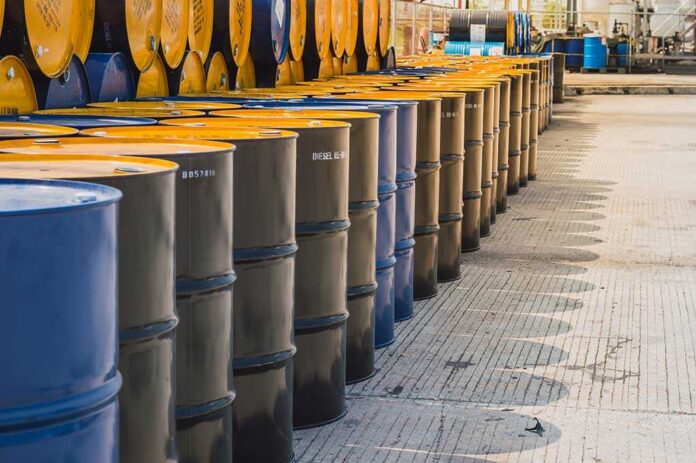
According to multiple reports based on briefings and leaks, the new United States–Iran memorandum of understanding will let Iran resume oil and fuel sales immediately once the ceasefire agreement is formally signed this week.[1] These sales are not just symbolic. Sanctions waivers would cover the oil itself and the backbone services that make exports possible, including banking, shipping, transport, and insurance, so buyers do not fear United States punishment.[1] In plain terms, once the ink is dry, tankers can move and Iran gets paid.
One report describes this as a key “early economic concession” inside a larger peace plan meant to stop the war and reopen the Strait of Hormuz, the narrow choke point where roughly a fifth of global oil once passed.[1][5] A senior United States official stressed in background comments that Iran’s ability to keep selling oil will depend on obeying every part of the deal, including not blocking ships and staying away from nuclear weapons work.[1] Still, the memo itself and any Treasury licenses have not been released to the public, which leaves citizens and even many lawmakers reading between the lines.
How Sanctions Waivers Turn Oil Back On For Tehran
For years, federal law has treated Iranian oil as off-limits unless the President issues narrow, time-limited waivers tied to specific conditions. The current plan appears to use that same tool on a much bigger scale, granting broad waivers that cover oil exports and key support services right away, before the toughest nuclear and missile issues are fully settled.[1] Treasury’s Iran sanctions program normally requires detailed licenses for even limited oil-related deals, which shows how unusual this level of fast relief is.
Reuters and regional outlets say this is a “performance-based agreement,” meaning Iran gets to keep the oil flowing only if it meets strict standards on enrichment, weapons, and freedom of navigation.[1] Supporters argue that tying economic relief to behavior gives Washington leverage, because sanctions can snap back the moment Tehran cheats.[3] Critics point out that once oil revenue starts rolling, Iran’s rulers gain cash they can redirect to militias, missiles, and propaganda, and clawing back that money is impossible—only reimposing pressure going forward remains on the table.[3]
Markets Cheer, But What About American Security And Values?
Wall Street and big business wasted no time celebrating the deal. Oil futures fell to their lowest levels since the war began after Trump promised the agreement would be signed, and headlines described traders breathing “a sigh of relief.”[5][7] Stocks jumped as investors priced in cheaper energy, calmer shipping lanes, and a lower risk of a full-scale regional war.[6] Commentators on financial networks openly framed the oil waivers as a way to cool inflation and cut gasoline prices in the short term.
https://twitter.com/PowerMatrix_/status/2066952913327698028
There is another side to this story that matters deeply to conservatives. Iran has a long track record of using oil money to fund terror proxies and threaten American allies, especially Israel. Past deals like the 2015 nuclear agreement sent billions back into Iran’s economy once sanctions were eased, including access to frozen assets and revived trade in oil, banking, and shipping. Analysts later estimated sanctions had already cost Iran more than $160 billion in lost oil revenue before that relief kicked in. That history fuels today’s fear: early oil waivers risk repeating the same pattern of “cash first, promises later.”
What We Still Do Not Know — And Why Transparency Matters
One key problem is that the binding documents are still hidden. There is no public text yet of the signed memorandum, the annexes on oil sales, or the exact language of any Treasury general licenses. The Wall Street Journal, New York Post, and others are relying on unnamed officials and “people familiar” with the talks, not on released legal orders.[1] That secrecy makes it easier for critics to say the administration is doing foreign policy by press conference instead of by clear, accountable rules.
Social media and cable commentary are racing ahead of the facts. Viral posts and clips scream that “Iran can resume oil sales immediately” and treat that claim as settled, even though the deal is still described as preliminary and subject to a sixty-day negotiation window on nuclear details.[5] This kind of rush can harden public opinion before Congress, watchdog groups, or regular citizens get to see what was actually signed. For a conservative audience that prizes constitutional checks, that lack of sunlight is a flashing red warning sign.
Balancing Cheaper Gas With Conservative Principles
Many patriots feel caught in the middle. On one hand, families have been squeezed for years by high energy prices caused by global chaos, green mandates, and weak leadership before Trump returned to office.[5] A real drop in oil prices, driven by more supply and a safer Strait of Hormuz, could help wallets, small businesses, and rural communities that depend on affordable fuel.[5] On the other hand, handing a sworn enemy fresh oil cash, even with conditions, raises serious moral and strategic questions.
Conservatives will want clear answers to a few basic points. First, exactly what behavior Iran must show before each step of relief takes effect, and how American inspectors will verify it. Second, how fast sanctions “snap back” if Tehran violates its word, and who decides that. Third, whether any of this deal money can end up fueling attacks on Israel, United States troops, or other allies. Until those facts are public, the safest stance is cautious support for peace—but firm demands that American strength, security, and values are never traded away for a short-term dip in gas prices.
Sources:
[1] Web – Iran Will Be Allowed to Immediately Resume Selling Its Oil Under …
[3] YouTube – Trump confirms US-Iran peace deal and reopening of Strait of Hormuz
[5] YouTube – TRUMP ANNOUNCES IRAN DEAL: “Let the Oil Flow!”
[6] Web – Crude oil futures drop after Trump promises an Iran deal will be …
[7] Web – Trump’s Iran deal announcement sends markets skyrocketing, oil …
© patriotsunited.org 2026. All rights reserved.