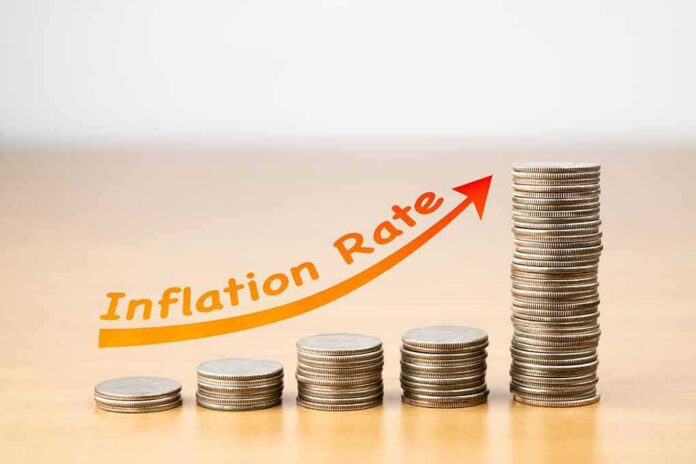
Americans are watching paychecks lose ground as energy costs and inflation climb, echoing patterns last seen during the 1970s surge in prices.
Story Snapshot
- Sharp energy price jumps have often come before major inflation spikes since the 1970s.
- Research links large energy shocks to broader price surges when policy and wage-setting amplify them.
- The 1970s saw the Consumer Price Index for energy jump by a third in one year, with double-digit inflation following.
- Experts warn that keeping inflation expectations anchored is key to avoiding a drawn-out repeat.
What Today’s Pain Shares With the 1970s
Researchers find that big energy price spikes often trigger wider inflation. They point to a clear chain: higher fuel and power costs raise business expenses, then prices across the economy follow. Historical reviews show that most global inflation surges since the 1970s began after energy shocks. In the United States, that decade became the textbook case. Prices rose fast and stayed high. Families felt squeezed as daily costs outran pay, and growth slowed at the same time.
Work by the International Monetary Fund ties large energy shocks to broader price jumps when two forces kick in. First, if policymakers misread the economy’s limits, they risk doing too little or acting too late. Second, if workers push to keep up with rising prices, a wage and price spiral can form. That mix helps explain why the 1970s inflation lasted. It shows how energy shocks can spread if leaders fail to steady expectations and costs ripple through wages.
How the 1970s Unfolded—and Why It Matters Now
Government data show how fast the 1970s escalated. The Consumer Price Index for energy rose by about one-third from mid-1973 to mid-1974. The overall Consumer Price Index hit a 12 percent yearly increase by September 1974. Oil supply shocks and policy errors fed the climb, and double-digit inflation took hold in many countries. The lesson central banks drew later was hard but basic: act to protect price stability, and do not allow long periods of high inflation to take root.
Comparative studies stress three guardrails for today. Keep a firm policy anchor so people believe inflation will fall. Avoid steps that validate price spikes by letting them pass through to wages and future prices. Focus on steady, credible moves that cool demand without needless delay. When leaders hold that line, inflation shocks tend to fade faster. When they do not, families and small firms bear the cost the longest through weaker real wages and higher monthly bills.
Why Families Feel Squeezed Across Politics
Rising energy and grocery bills hit workers who cannot set their own prices. When inflation runs above pay growth, real wages fall. That gap fuels anger on the right and left at a system many see as serving insiders first. People blame different policies—on oil, spending, trade, or regulation—but agree on the outcome: leaders often react late, talk past the problem, and protect the well connected. History shows delayed action made the 1970s worse and recovery slower.
The narrative of "Age of Easy Money" centers on the Federal Reserve's unprecedented interventionist policy starting in the 2008 Great Recession. The most striking historical parallel is the 1930s Great Depression, not because of the Fed's actions, but because of what the Fed… pic.twitter.com/oewZeTjvML
— Joe (@JoeMaristela) September 29, 2026
Today’s challenge is to stop a repeat of that drift. Research from central banks in Europe and the United States highlights the same core point: anchor expectations and send a clear signal that high inflation will not persist. That stance helps prevent wage and price loops that punish savers, retirees, and families on fixed incomes. It also protects small businesses that cannot pass on every higher cost. The fastest way back to real wage gains is steady disinflation without policy backtracking.
Sources:
cambridge.org, cnn.com, stlouisfed.org, nber.org
© patriotsunited.org 2026. All rights reserved.