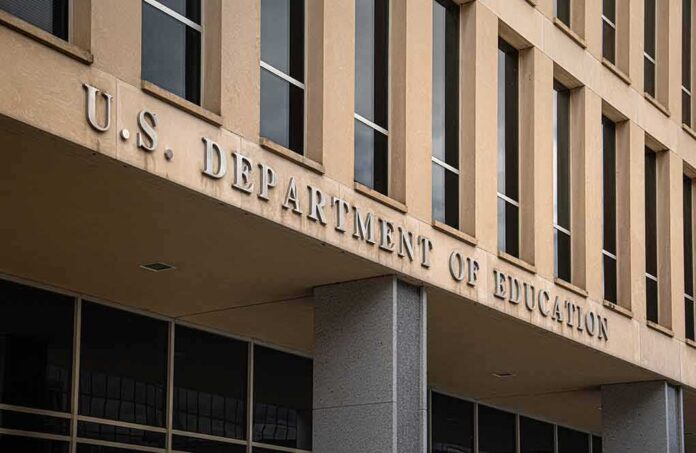
A federal judge halted the Education Department’s plan to publish the names of foreign funders tied to elite universities, freezing a promised dose of transparency at the last minute.
Story Snapshot
- Judge Tanya Chutkan issued a 28-day order blocking release of foreign donor names linked to major universities.
- The case centers on whether Section 117 disclosures should include public naming of individual donors and contractors.
- Universities argue the Department shifted policy without clear legal backing and broke confidentiality expectations.
- The Education Department says public insight is needed into billions flowing from overseas to U.S. campuses.
What The Judge Ordered And Why It Matters
U.S. District Judge Tanya Chutkan granted a temporary restraining order that stops the Department of Education from publishing foreign donor and contractor names for now. The order lasts 28 days while the court reviews the policy shift and the legal record behind it. The case, Association of American Universities v. U.S. Department of Education, argues that schools submitted detailed identities with an understanding they would not be made public, and sudden release could cause harm.
Bloomberg Law reported the judge viewed the recent change toward publishing names as likely “arbitrary and capricious,” a legal standard under administrative law. That frame suggests the court saw a sharp turn from past practice without enough explanation or process. This early ruling does not decide the full case. It signals that process and justification will be central. The pause also shapes public perception, making the Department’s move look suspect before trial.
What Section 117 Requires Today
Section 117 of the Higher Education Act requires colleges and universities that receive federal aid to report foreign gifts and contracts that meet a dollar threshold. The law sets a transparency baseline and treats these reports as public records for inspection, according to coverage summarizing the statute. Government guidance says the threshold is $250,000 in a calendar year when counted alone or in combination, and reporting occurs twice yearly. Those rules drive regular filings across the sector.
Reuters reported that in 2020 the Education Department began requesting individual donor and contractor names and addresses in these filings, going beyond aggregate totals. That history sets up today’s fight. The question is not whether schools report foreign funds. The question is whether the Department can now publish detailed identities and whether the law supports that step. The legal clash thus blends transparency goals with privacy and safety concerns raised by universities.
The Competing Claims: Transparency Versus Confidentiality
The Education Department argues the public has a right to see who funds American campuses, especially with large sums involved. Media reports say foreign funding for top schools since 2020 could reach into the billions, which heightens public interest in who is giving and why. Supporters say names allow oversight, help spot conflicts, and deter foreign influence. They see secrecy as a shield for powerful institutions that already get taxpayer support.
The Association of American Universities says the Department lacks a clear legal basis to publish personally identifiable information from the filings. The group also says the move conflicts with prior Department commitments that treated those data as confidential. Bloomberg Law’s account shows the court took that process concern seriously, citing likely procedural flaws in the shift to name-by-name publication. The universities also point to safety risks for donors in repressive countries if their identities go public.
Why This Fight Resonates Beyond Campus Gates
Americans on the right and left worry that powerful institutions operate behind closed doors. Many see foreign money as a special risk because it can shape research, admissions ties, and campus speech. The Department’s plan to publish names speaks to that demand for daylight. The court’s block speaks to a separate demand: that agencies follow the law and do not change rules on the fly. Both themes track deeper distrust in how Washington and elites make decisions.
What Comes Next And What To Watch
The court will review whether the Department built a strong administrative record for publishing names and weighed alternatives such as redactions or delayed release. The judge’s early signal on “arbitrary and capricious” risk means agency process will be under a microscope. Watch for whether the Department presents a concrete enforcement or national security need tied to naming donors, and whether universities can show real harms that outweigh public transparency claims.
Sources:
thegatewaypundit.com, reuters.com, us.headtopics.com, pjmedia.com, news.bloomberglaw.com, italaw.com
© patriotsunited.org 2026. All rights reserved.