The BBC pulled a news article this week after it claimed that skipping nail polish could be a sign of “white supremacist standards of beauty.”
Story Snapshot
- BBC published “How the bare nails trend became a class issue,” quoting a beauty journalist tying bare nails to “white supremacist” beauty standards.
- The article went viral for the wrong reasons and drew sharp criticism from readers and commentators across the political spectrum.
- BBC removed the piece and replaced it with a notice saying it is under editorial review.
- Critics called the story “divisive tosh,” “utterly insane,” and an example of forcing a culture war onto a personal beauty choice.
- BBC’s own rules allow it to pull content after publication in “exceptional cases,” but that does not settle whether the story was accurate or fair.
What The Original Article Claimed
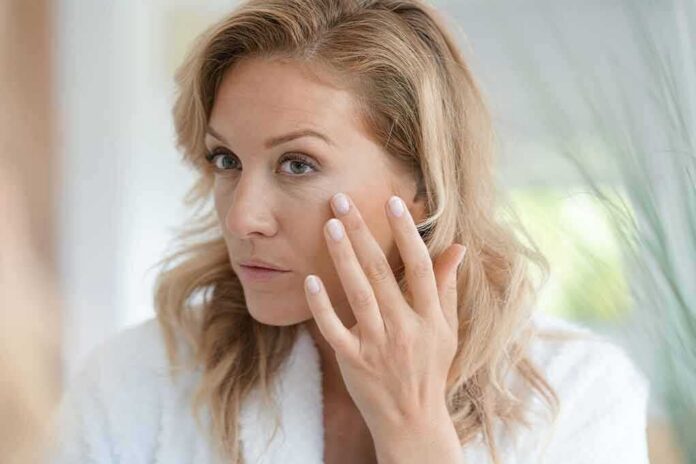
BBC News published “How the bare nails trend became a class issue” on September 25-26, 2026. The story explored why more women are choosing clear or bare-looking manicures over bold, colorful nail art. It quoted beauty journalist Kristina Rodulfo, who said terms like “elegant” or “tasteful” are “often euphemisms that perpetuate white supremacist standards of beauty”.
The article also argued nail art has deep roots in Black, Latino, and Asian communities. It suggested the bare nails trend could “stigmatise” bolder, more colorful manicures tied to those communities. That framing turned a simple beauty story into a debate about race, class, and cultural erasure almost overnight.
The story spread fast on social media, but not in the way BBC editors likely hoped. Readers mocked the idea that a fingernail choice could carry racial meaning, and the backlash grew large enough that BBC pulled the article entirely by Saturday.
Backlash Spreads Across Outlets And Political Lines
Reaction poured in from British and American commentators alike. The New York Post said BBC got “roasted” for linking unpainted nails to “white supremacy”. The Daily Mail reported the outlet was accused of publishing “divisive tosh”. Commentators quoted in coverage called the piece “the most absurd story ever” and said it “demeans the BBC” to treat plain nails as racist or classist.
Telegraph columnist Celia Walden wrote that the story proved “prejudice can be found in anything — even dead tissue”. GB News reported that public figures, including Baroness Sharron Davies, criticized the piece as an attempt to push personal beauty choices into a political fight. The criticism came from ordinary readers, not just partisan pundits, suggesting the frustration crossed ideological lines.
BBC’s Removal Process Raises Its Own Questions
BBC editorial guidelines do allow removal of published content in “exceptional cases” when serious standards issues are found after the fact. Removal decisions are supposed to come from senior editorial figures, not lower-level staff. That process means the removal itself is not automatically proof the story was false. It does show BBC judged the piece serious enough to warrant taking it down entirely rather than issuing a simple correction.
The replaced page now reads only that “this article has been removed pending editorial review,” without further explanation from BBC about what specifically triggered the pull. That silence has left space for readers on all sides to fill in their own conclusions. Some see confirmation of media bias; others see a media outlet correcting a genuine mistake.
A Wider Pattern In Beauty And Class Debates
Academic researchers have long argued that beauty standards can reflect racial and class hierarchies, with whiteness often treated as a default prestige look. That research gives some intellectual backing to the idea BBC’s article tried to raise. But the backlash shows a gap between academic framing and how ordinary readers respond when a mainstream news outlet applies that lens to something as small as a manicure.
For many Americans and Britons already frustrated with institutions they see as out of touch, the story became another example of elite commentary reaching for grand conclusions from small, everyday choices. Whether BBC’s editorial review results in a correction, a rewrite, or nothing at all, the episode has already fueled distrust in how major outlets frame culture and identity stories.
The BBC has removed an article examining whether the growing popularity of bare-looking manicures reflects class and racial dynamics after the story drew widespread criticism.
The article, titled “How the bare nails trend became a class issue,” discussed the rise of… pic.twitter.com/dgnrkyru3x
— Daily Tribune (@tribunephl) September 30, 2026
BBC has not issued a public statement beyond the removal notice explaining what its review will examine or when it might conclude. Readers are left waiting to see whether the network republishes an edited version or quietly lets the story disappear for good.
Sources:
foxnews.com, bbc.com, bbc.co.uk, noticias.foxnews.com, yahoo.com, nbcnews.com, ibtimes.co.uk, nypost.com, dailymail.co.uk, telegraph.co.uk
© patriotsunited.org 2026. All rights reserved.