A rare tropical storm formed in one of the world’s busiest shipping lanes, and what happened next devastated three nations simultaneously, leaving over 600 dead and hundreds still missing as rescue teams race against time in a humanitarian crisis that tests the limits of regional coordination.
Quick Take
- A unprecedented tropical storm in the Malacca Strait triggered catastrophic flooding and landslides across Indonesia, Thailand, and Malaysia, with death tolls exceeding 600 and hundreds still missing
- Hat Yai, Thailand recorded 335mm of rain in a single day—its highest rainfall in 300 years—while western Indonesia’s Sumatra region experienced massive landslides that swept away entire communities
- Over 4 million people across the region face displacement, with rescue teams relying on helicopter operations to reach isolated areas blocked by debris and floodwaters
- The disaster required unprecedented cross-border coordination, including Malaysia’s evacuation of over 6,200 of its nationals stranded in Thailand
When Nature Breaks Its Own Records
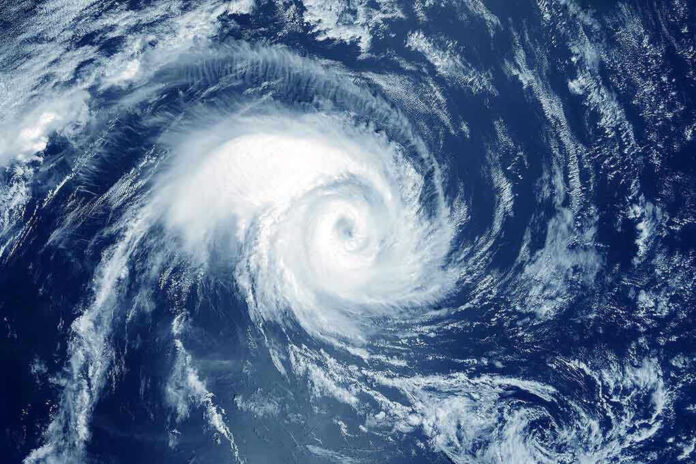
Tropical storms don’t typically form in the Malacca Strait. This narrow waterway between Malaysia and Indonesia ranks among the world’s busiest shipping channels, but it’s not known for spawning cyclones. When meteorologists detected this rare system developing in late November 2025, few anticipated what would unfold. The storm intensified rapidly, drawing moisture from the surrounding waters and channeling it directly into vulnerable populations across three nations. Within days, what started as an unusual weather anomaly transformed into one of Southeast Asia’s most devastating natural disasters in recent memory.
The Numbers That Define Catastrophe
By November 30, 2025, official death tolls had surpassed 500, with Indonesia reporting 336 deaths and 289 people still missing. Thailand’s Ministry of Public Health confirmed 170 deaths, while Malaysia reported 2 confirmed deaths. Sri Lanka, struck by a related cyclone, faced 153 deaths with 191 missing. These figures represent only confirmed casualties—the actual toll continues rising as rescue teams access previously unreachable communities. Over 4 million people across the region face displacement, their homes destroyed or rendered uninhabitable by unprecedented rainfall and subsequent flooding.
The scale becomes comprehensible only through specific examples. In Hat Yai, Thailand’s largest city in Songkhla Province, meteorological records shattered when the city received 335 millimeters of rain in a single day. Officials confirmed this represented the highest single-day rainfall in 300 years—three centuries of weather data rendered irrelevant by a single storm system. Songkhla Province itself absorbed the brunt of Thailand’s casualties with 131 deaths, while western Indonesia’s Sumatra region experienced massive landslides that obliterated entire sections of communities, leaving large tracts of land and homes swept away by floodwaters.
The Logistics of Desperation
Rescue operations face obstacles that conventional disaster response cannot overcome. Roads throughout the affected regions lie buried under debris and floodwaters, rendering traditional supply lines impassable. Indonesian relief teams deployed helicopter operations to deliver aid to isolated communities in West Sumatra, where dozens of survivors gathered at soccer field landing zones waiting for food deliveries. This reliance on aerial operations reflects the severity of infrastructure damage—entire transportation networks have been severed, leaving populations cut off from assistance.
The humanitarian challenge extends beyond logistics. Reports of looting in affected areas indicate that as relief supplies become scarce, desperation drives some survivors to take resources by force. This social deterioration signals that the initial emergency phase may transition into a prolonged crisis requiring sustained intervention. Malaysia’s decision to evacuate over 6,200 of its nationals from Thailand demonstrates the cross-border complications created when disaster strikes regions with significant migrant populations. The Malaysian Foreign Ministry issued advisories requesting its citizens in Indonesia’s West Sumatra to register with local consulates, acknowledging that stranded nationals require coordinated repatriation assistance.
When Weather Records Become Tombstones
Hat Yai’s 300-year rainfall record carries profound implications beyond meteorological interest. This measurement indicates atmospheric conditions so extreme that they exceeded anything recorded since 1725. Such records typically generate academic discussion among climate scientists. In this case, that record coincides with 131 deaths in a single province and the displacement of nearly 3 million people across southern Thailand. The meteorological achievement and human tragedy exist as two sides of the same catastrophic event, reminding observers that weather records represent more than data points—they mark moments when nature overwhelms human infrastructure and preparedness systems.
The Regional Response and International Coordination
The disaster’s cross-border nature necessitated coordinated responses among nations with varying governmental structures and disaster management capabilities. Malaysia’s National Disaster Management Agency coordinated evacuation of nationals from Thailand, while Thai authorities managed internal rescue operations. Indonesian relief teams focused on accessing Sumatra’s devastated western regions. This simultaneous mobilization across three countries tested established disaster response protocols and revealed both the strengths and limitations of regional cooperation mechanisms.
The involvement of military assets, including helicopter operations and naval coordination, underscores the emergency’s scale. Civilian rescue infrastructure proved insufficient, requiring military logistical capabilities to bridge the gap between affected populations and available assistance. The Malaysian Foreign Ministry’s active role in evacuating stranded nationals suggests that diplomatic channels remained functional even as humanitarian crises unfolded, though the strain on these systems was evident in the complexity of coordinating cross-border operations amid ongoing rescue efforts.
Sources:
Tropical Storm Deaths Cross 500 in Southeast Asia, Over 4 Million Affected