
Manila will modernize Basco Airport just 120 miles from Taiwan, opening easier access for larger U.S. military aircraft as allies tighten operations in the Luzon Strait.
Story Highlights
- Philippine officials confirmed an upgrade to Basco Airport to handle larger planes, including U.S. aircraft.
- A White House fact sheet tied the project to improved U.S.-Philippine operational access.
- The airfield sits near vital sea lanes between the Philippines and Taiwan, heightening its strategic value.
- Leaders framed the work as dual-use, aiding defense, disaster response, and supply chains.
What Manila Announced And Why It Matters
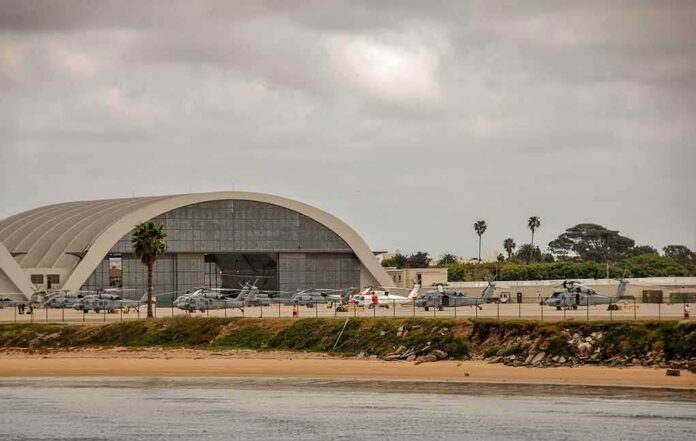
Philippine Defense Secretary Gilberto Teodoro said on November 24 that Basco Airport in Batanes will be upgraded so larger aircraft, including those of the United States, can take off and land there. The airport sits in the country’s northernmost province, close to Taiwan. The location gives quick reach into the Luzon Strait, a key waterway for ships and aircraft. The project supports joint operations, faster transport, and emergency flights during storms or earthquakes.
The White House released a fact sheet on November 18 stating the United States and the Philippines announced plans to modernize Basco Airport to improve U.S. access. The statement followed President Trump’s visit to Manila. The document placed Basco within a larger push to improve allied mobility and logistics. It stressed cooperation under existing agreements where facilities remain Philippine-owned and controlled, even as access by U.S. forces expands.
Why Basco’s Location Raises The Stakes
Basco sits about 120 miles south of Taiwan and near the Bashi Channel, a choke point that links the Pacific Ocean and South China Sea. That position makes the airfield useful for patrols, resupply, and dispersing aircraft if a crisis limits access to larger hubs. The small island setting also supports quick humanitarian aid to remote communities. The same runway that aids travelers in clear weather can move responders and gear when typhoons hit.
U.S. and Philippine forces have trained more often in the north since 2025, testing rapid runways and island operations. Modernizing Basco fits that pattern of access and dispersal rather than building new permanent foreign bases. The Enhanced Defense Cooperation Agreement allows the United States to pre-position supplies and use agreed locations while the Philippines keeps ownership. Upgrades at civilian-military sites show the dual-use approach that both boosts daily services and strengthens deterrence.
How The Upgrade Could Be Used Day-To-Day
Stronger pavement, better lighting, and longer runway margins would let larger cargo planes land safely. Bigger payloads mean faster delivery of food, fuel, and medical supplies after storms. Improved navigation aids would raise safety for commercial flights serving Batanes residents and tourists. On the defense side, the changes would cut turnaround times for joint drills, maritime patrols, and aeromedical evacuations. Officials present the plan as a practical fix with both civilian and military payoffs.
The Philippines has announced plans to upgrade an airport on an island in its northernmost province of Batanes, near Taiwan, to expand access for US military aircraft
https://t.co/pCyhtUANJ9— Jock (@fatpedlar) November 28, 2026
Supporters argue the project answers a common concern across the political spectrum: government should focus on real-world needs like safety, stable supply lines, and national defense. The plan uses an existing site, limits cost by upgrading what is there, and helps both families and forces. It also keeps control in Philippine hands while enabling allied access when needed. Clear rules, public facts, and visible results will determine how much trust the effort earns over time.
Sources:
zerohedge.com, theasialive.com, bloomberg.com, stripes.com, clashreport.com, country-explainer.com
© patriotsunited.org 2026. All rights reserved.