
A Russian corvette burned and likely sank in Libya after a massive blast, and officials now say drones were probably to blame — but no public forensic report has settled the cause.
Story Snapshot
- Eastern Libyan authorities say a drone attack likely caused the explosion on a Russian ship in Benghazi.
- Initial local reports pointed to an ammunition blast at or near the naval base, with no attacker named.
- Satellite images and open-source analysts identified the ship as the corvette Merkury and judged it almost certainly destroyed.
- Attribution to Ukraine has been reported by some outlets, but official, public proof has not been released.
What Libyan Officials And Early Reports Said
Local responders in Benghazi first reported an ammunition explosion and a fire at or near the naval base on November 22. They did not name an attacker and said experts would determine the cause. Hours later, the eastern-based Libyan administration said the blast occurred on a Russian vessel and was likely caused by a drone strike. The administration also said it began a joint probe with Russia to find the source and those responsible. The shift shows why early incident details often change under pressure.
Two Libyan military officials later told the Associated Press that several Ukrainian sea drones were launched from western Libya. They said at least four drones were stopped and two hit the ship. Other outlets echoed that a drone attack was likely. Still, none of the public reports includes a released forensic study that proves which weapon hit, how the blast started, or where debris came from. The result is a fast-moving story with gaps that only a formal report can close.
What We Know About The Ship And Damage
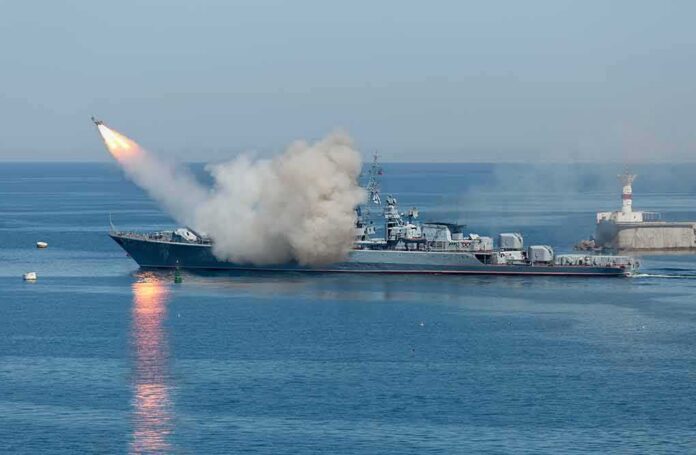
Open-source naval analyst H. I. Sutton and Naval News assessed that the burning vessel in Benghazi was the Russian corvette Merkury and that the ship was almost certainly destroyed. Satellite images and videos showed a large fire and heavy smoke. Some reports said the vessel capsized or sank. The visual record supports severe damage, but the exact sequence of explosions remains unclear. Without access to the pier and the wreck, public analysts must rely on imagery and official statements.
Later coverage described barriers placed around parts of the naval facility and suggested fears of more sea-drone attacks. Reports also linked the Benghazi blast to a wider pattern of long-range strikes on Russian-linked ships beyond the Black Sea. The War Zone cited a Ukrainian source who claimed the Security Service of Ukraine launched sea drones from western Libya, framing the incident as part of a broader campaign. That claim, while notable, has not been backed by documents released to the public.
Why The Cause Debate Matters
Conflicts often produce clashing first reports. Local services may describe an ammo fire. Political leaders may press an attack theory. Both can be wrong or incomplete. History shows how hard this question can be. Major naval blasts from the past often lacked a single proven trigger in public findings. That is why this Benghazi case needs a full, transparent report to confirm whether an external strike, sabotage, or handling failure started the chain of explosions.
Two vessels were targeted in suspected drone attacks near Benghazi, Libya.
A Russian Navy corvette, the Merkury, capsized and largely sank after an explosion at the naval base. A Maltese-flagged commercial vessel was also struck offshore.#Libya pic.twitter.com/Tw4wiANRAt
— NEWSMEDIATV (@WorldNewsMediat) November 23, 2026
For Americans watching from home, the signal is bigger than one ship. Drones now threaten ports far from front lines. Great power rivals test red lines with quiet help from partners and proxies. When facts are thin and spin is loud, the public loses trust. Citizens on the right and left already doubt that elites level with them. Clear evidence, shared fast, is the only antidote. Until then, assume less and demand more proof from every side.
Sources:
thestate.com, dw.com, latimes.com, situationroom.io, ilpoliticoweb.it, en.defence-ua.com
© patriotsunited.org 2026. All rights reserved.