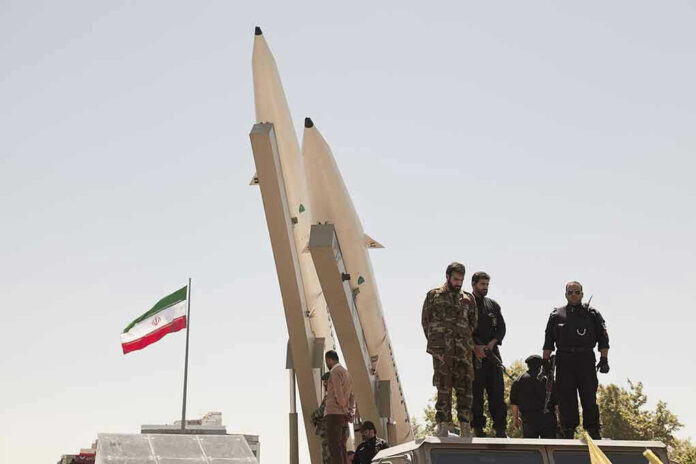
Iran’s latest missile drills in the Gulf of Oman send a clear warning to regional adversaries and global powers, highlighting the urgent risks to American interests and constitutional security from unchecked regimes abroad.
Story Snapshot
- Iran launches advanced cruise missiles in its first major military exercise since the 12-day war with Israel.
- The drills showcase growing Iranian military power and deepen ties with Russia, raising concerns about threats to regional stability and U.S. interests.
- Heightened risk of escalation in critical shipping lanes could impact global energy markets and American economic security.
- Iran’s actions underscore persistent threats to Western values and the need for strong U.S. deterrence.
Iran Flexes Military Muscle After Conflict With Israel
On August 21, 2025, Iran’s navy launched a sweeping military exercise in the Gulf of Oman and northern Indian Ocean, firing an array of cruise missiles at sea-based targets. This marks the first major Iranian drill since the recent 12-day war with Israel, a conflict that left the region on edge. Iran’s “Sustainable Power 1404” operation, timed deliberately with National Defense Industry Day, showcased advanced Nasir, Qadir, and Ghader cruise missiles from both coastal batteries and naval ships, signaling a clear readiness to retaliate against any perceived threats. These maneuvers come just a month after joint Iranian-Russian naval drills, further demonstrating Tehran’s growing regional ambition and technological self-reliance.
Iranian officials used the occasion to issue stern warnings, pledging “very strong responses” to any regional miscalculation. The drills were widely publicized by state media, with Iranian leaders touting the precision and power of their new missile systems. For conservative American observers, these developments underscore the persistent danger from hostile regimes that consistently challenge U.S. interests, threaten allies like Israel, and destabilize crucial maritime routes. The timing—on a day dedicated to military self-sufficiency—reinforces Iran’s message of defiance against Western pressure and sanctions, while also emboldening adversarial actors in the region.
Strategic Stakes: Regional Tensions and Global Implications
The Gulf of Oman and northern Indian Ocean are vital corridors for international shipping, particularly energy exports that power the American economy and support global stability. Any escalation in these waters risks disrupting oil flows, raising prices, and feeding inflation at home—issues tied directly to economic security. Iran’s tests of radar-evading, high-precision cruise missiles serve not just as military displays, but as warnings to the United States and allies: Iranian power projection is real, and the risk of accidental or intentional escalation is rising. These developments come as regional navies increase surveillance and international insurers reevaluate risks, highlighting the interconnectedness of American prosperity, energy security, and constitutional freedoms threatened by foreign aggression.
Iran’s growing partnership with Russia, solidified through recent joint drills, further complicates the security landscape. While Israel closely monitors these moves, Gulf Arab states and India express concern about potential spillover and the safety of maritime routes. Meanwhile, U.S. CENTCOM and allied naval forces remain on high alert, tasked with defending constitutional principles and safeguarding vital global commerce. The power dynamics at play demand vigilance from American policymakers and the public alike, especially as adversaries exploit every opportunity to test Western resolve.
Expert Analysis: Deterrence, Uncertainties, and Conservative Priorities
Military analysts widely agree that Iran’s demonstration of cruise missile capabilities is designed to deter adversaries and project technological advancement. Yet, such exercises in congested maritime zones always carry the risk of miscalculation, accidental engagement, or broader conflict—especially with so many stakeholders involved. Scholars have also noted the symbolic timing of the drills, reinforcing Iran’s narrative of resilience and independence. However, Western and regional experts often view these actions as provocative and destabilizing, rather than stabilizing or defensive as claimed by Iranian sources. For American conservatives, these events reaffirm the necessity of a robust national defense, strong alliances, and constant vigilance against threats that challenge constitutional order, economic freedom, and the safety of American families.
🇮🇷 BREAKING: Iran’s navy launches first military drill since 12-day war with Israel ⚓️#Iran #Israel
— A Quiet Analyst (@AQuietAnalyst) August 21, 2025
While state and independent sources confirm the scope and success of Iran’s drills, outside verification of certain operational claims remains limited due to restricted access. Still, the consensus among experts remains clear: unchecked military posturing by adversarial states like Iran directly endangers the U.S. and its allies. Every advance in Iranian missile technology, every joint operation with global rivals, is a reminder of why American strength and commitment to constitutional values must never waver in the face of new threats.