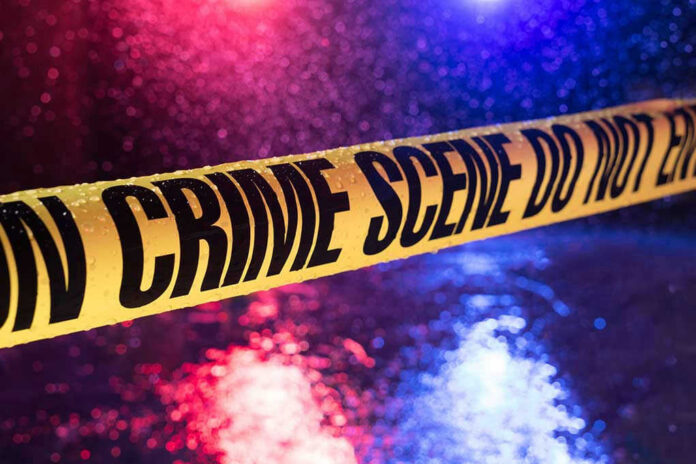
Families gathered to watch July 4th fireworks in Brownsville ended the night running from gunfire, with children once again caught in the crossfire of a system that cannot keep them safe.
Story Snapshot
- Five people, including children, were shot while watching fireworks in Brooklyn, part of a wider July 4th wave of gun violence in New York City.
- Police detained eight people for questioning after a Brownsville shooting, but made no arrests, raising questions about what authorities really know.
- New York City leaders highlight record-low shooting numbers, yet holiday gun violence and child victims show a gap between statistics and lived reality.
- Both sides of the political divide see a government that warns about illegal fireworks but struggles to address deeper causes of urban violence.
What Happened During Fireworks in Brownsville
On the July 4th holiday, New York City saw a series of overnight shootings, with at least two people killed and nine wounded across several boroughs. Police reports say three of the victims were children, hit while people were outside enjoying the holiday. In Brownsville, Brooklyn, gunfire broke out near a fireworks gathering, sending families scrambling for cover. Five people were reported shot in the wider set of incidents, including children, turning a celebration into a scene of fear and chaos.
Earlier in the season, police officers in Brownsville responded around 3 a.m. to reports of shots fired outside a building on Ralph Avenue. After that shooting, officers took eight individuals into custody for questioning. By late Saturday morning, however, police had not filed charges or announced arrests tied to those detentions. That pattern—quick custody, slow or absent charges—feeds public doubts about how clearly authorities understand who is responsible and why the violence keeps happening in the same neighborhoods.
Police Messaging, Fireworks, and Public Trust
New York City Police Department leaders have pushed out strong public warnings about illegal fireworks, saying they cause fires, serious injuries, and even deaths. Those warnings are meant to prevent accidents, but they also shape the story people hear about July 4th dangers: exploding devices, not the guns that so often appear when crowds gather. At the same time, national gun violence data show more than 500 shootings and at least 180 deaths over one recent July 4th weekend across the United States. Many of those incidents, like the Brownsville shooting, involved people standing outside, celebrating, and suddenly under fire.
City officials point to falling shooting numbers to argue that New York is getting safer overall. A New York City Police Department release highlighted record-low shooting incidents and victims over the first seven months of 2025, and the lowest July shooting totals ever recorded for the city. Those statistics matter, but they feel abstract to residents who watch their kids dive to the ground during fireworks. When a single holiday night still brings multiple shootings, child victims, and scared families, many people see a sharp mismatch between official success stories and their daily reality in places like Brownsville.
Holiday Gun Violence and Deep System Failures
Across the country, July 4th has become one of the most dangerous weekends of the year for gun violence. National data show mass shootings from Philadelphia to Chicago and Boston, often hitting crowds that gathered for fireworks or block parties. In one reported case, at least five people were shot when a gunman opened fire on a group that appeared to be setting off fireworks. These events echo what Brownsville residents describe: people trying to enjoy a holiday while someone with a gun turns the street into a combat zone.
Gun safety advocates say this pattern proves that leaders are failing to tackle core problems such as illegal guns, repeat violent offenders, and fragile community trust. Many conservatives blame decades of lax enforcement, lenient prosecutors, and a focus on symbolic issues instead of street crime. Many liberals point to deep inequality, poor schools, and lack of mental health care that leave young men with few options besides gangs or fast violence. Both sides, however, increasingly agree on one thing: the system feels rigged to protect careers and talking points more than families watching fireworks.
Brownsville, Gang Narratives, and the Search for Truth
In many holiday shootings, police are quick to suggest gang ties even before ballistics reports or full witness statements are public. That kind of early framing can help justify aggressive tactics and special units, but it can also leave communities unsure which claims are proven and which are guesses. In Brownsville, gang activity is a documented problem, and recent cases have seen alleged street gang members charged in multiple shootings in nearby East New York. Still, available reports on the fireworks shooting do not confirm whether gangs ordered or carried out the attack.
The lack of arrests after eight people were brought in for questioning shows how much about the Brownsville case remains unsettled. We do not yet have public ballistics data, detailed witness accounts, or released surveillance video to clarify how many shooters fired, who they aimed at, or why. That information gap leaves families with more questions than answers. It also fuels wider fears that officials may be more focused on shaping a narrative—about record-low shootings, about illegal fireworks, about gang crackdowns—than on building a justice system that citizens across the political spectrum can trust to protect their children.
Sources:
nypost.com, brooklyn.news12.com, facebook.com, wxyz.com, freep.com, youtube.com, connecticut.news12.com
© patriotsunited.org 2026. All rights reserved.