A viral “miracle rescue” video from Venezuela is inspiring hope while exposing, yet again, how chaos and poor transparency cloud disaster truth.
Story Snapshot
- Viral clips show an 18-day-old baby pulled alive from rubble in La Guaira.
- Reports conflict on how long the baby was trapped: 32 or 48 hours.
- Major outlets report hundreds dead and thousands injured as rescues race the clock.
- Information gaps and mixed numbers fuel doubt and anger at failing institutions.
What The Video Shows And What We Can Confirm
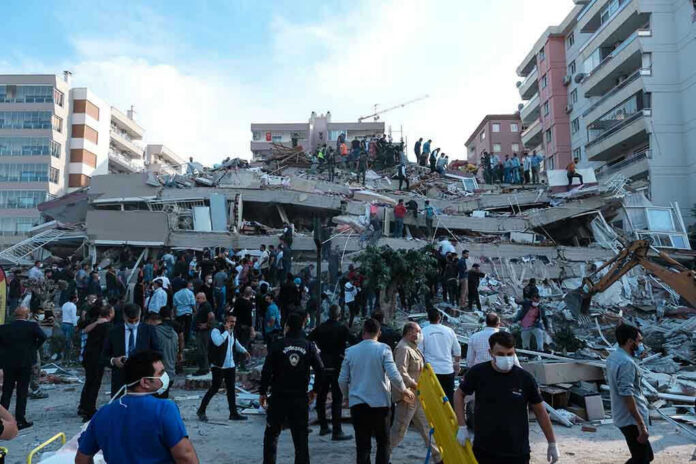
Social media videos and secondary reports show rescuers in La Guaira lifting an 18-day-old baby from a collapsed building and handing the child to a man described as the father [3]. A Republic World report repeats the core claim of the rescue and location [9]. Another outlet says the baby was trapped for 32 hours and uninjured, citing a user who posted the footage [1]. The visual evidence is strong but not tied to an official rescue log, hospital record, or a named agency statement.
A separate Instagram post claims the baby was trapped for 48 hours, creating a timeline conflict with the 32-hour version [2]. This is common after large quakes when posts spread faster than verification. The mismatch does not disprove the rescue. It shows why careful checks matter. The best take-away today: footage points to a real save, but formal confirmation on the infant’s identity, condition, and exact timeline remains limited in open sources.
The Larger Disaster Picture In Venezuela
National and international coverage paints a grim scene across the coast. Fox News reports search teams pulled 33 people alive as the death toll rose into the thousands and tens of thousands were still listed as missing amid widespread chaos in reporting [10]. The Independent cites more than 900 dead, over 3,300 injured, and hundreds of rescues, while the government restricted access to the worst-hit state as foreign teams arrived [11]. These figures show both the scale and the confusion on the ground.
Experts often warn that survival chances fall fast after about three days under rubble. A Swiss rescue leader told Reuters, cited in Fox News, that odds drop after roughly 72 hours, shaping the race to find survivors [10]. Medical disaster research echoes this pattern: most live rescues happen in the first 24 to 48 hours, with sharply lower survival beyond that window [19]. This science does not settle the baby’s exact timeline, but it makes a 32-to-48-hour rescue plausible in the early days.
Why Verification Is Hard And Why It Matters
Big quakes break power, cell towers, roads, and trust. That slows official checks and leaves the field to raw video and reposts. Open-source analysts can match buildings and streets, but family names, hospital intake logs, and unit rosters often lag or stay sealed. The gap fuels rumors and anger, especially when leaders and agencies release mixed numbers, limit press access, or fail to update tallies in plain language. People see this as one more sign that institutions protect themselves first.
💔 A newborn baby has been miraculously rescued from the rubble 32 hours after twin earthquakes struck Venezuela’s La Guaira.
Rescue teams are continuing search operations as the devastating disaster has reportedly claimed nearly 1,000 live#Venezuela #Earthquake #rescuehospital pic.twitter.com/86ZiR7dMHT
— Techup Pakistan (@Cloth1S2229) June 28, 2026
Americans watching from home feel a familiar pattern. During crises, emotion spreads faster than facts, while governments and large media struggle to provide clean, timely details. The baby video offers real hope. But the fog around it, and the wider mess of conflicting counts, supports a bipartisan worry: when stakes are highest, the system still cannot deliver basic truth. That failure deepens the divide and weakens trust at home and abroad.
How To Read Claims Like This Without Getting Burned
View the footage, then anchor it to one clear fact from a named outlet or official brief. Here, cite the La Guaira rescue claim once from a known report [9], and note a credible second source for the 32-hour detail with the “uninjured” claim tied to the original poster [1]. Flag the 48-hour claim as a conflict and let it sit until a hospital or rescue team confirms a time. Keep the big-picture disaster context from major reports in mind to weigh plausibility [10][11][19].
Bottom Line
The baby rescue most likely happened, the exact timeline is still fuzzy, and the wider disaster is massive. Celebrate the save, demand better records, and keep pressure on institutions to release clean, timely data. The public can handle the truth. It is the spin, silence, and delay that fuel doubt—and that is what breaks trust the most.
Sources:
[1] YouTube – Baby rescued ‘against all odds’ from earthquake rubble in Venezuela
[2] Web – 18-day-old baby rescued from rubble of Venezuela quake
[3] Web – 18-Day-Old Baby Defies Death, Rescued Alive After 48 … – Instagram
[9] Web – Rescue crews in La Guaira saved an 18-day-old baby who had been …
[10] Web – Miracle in Ruins: 18-Day-Old Baby Emerges Alive From Venezuela …
[11] Web – Survival window desperately fading with nearly 50000 missing
[19] YouTube – Top 5 Miracle Rescues Offer Hope After Deadly Earthquakes
© patriotsunited.org 2026. All rights reserved.