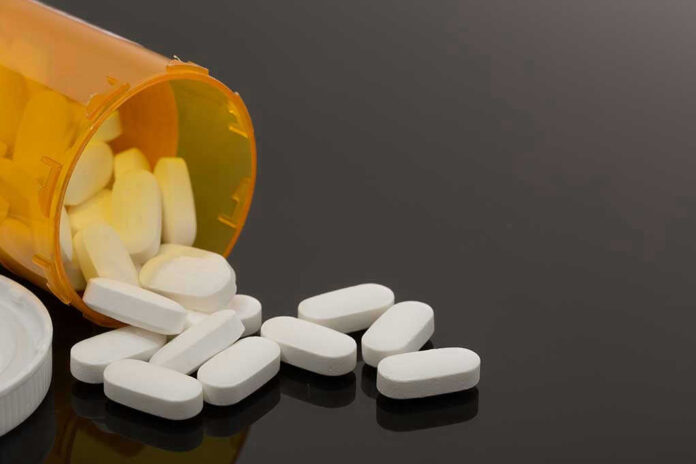
When more than 33,000 bottles of a common blood pressure medication are yanked off U.S. shelves because they can’t even meet the FDA’s own minimum standards for effectiveness, you have to wonder: how did we get here, and who’s actually looking out for American patients?
At a Glance
- FDA upgrades recall of over 33,000 bottles of metoprolol succinate ER 25mg after batches fail required dissolution tests
- Granules Pharmaceuticals, a U.S. subsidiary of India-based Granules India, manufactured the recalled lots distributed nationwide
- No adverse events reported yet, but patients and doctors must scramble for alternatives
- Recall highlights ongoing concerns about the quality of imported generic drugs flooding the U.S. market
FDA Recall: The Alarming Details They Hope You’ll Ignore
On July 9, 2025, the FDA quietly bumped up its recall of metoprolol succinate ER 25mg—one of the most widely prescribed heart drugs in America—to a Class II recall. This move, affecting more than 33,000 bottles, wasn’t because of some minor paperwork error or a misprint on the label. No, it’s because the drug failed to release its active ingredient at the right rate during routine six-month stability tests. That means patients could be swallowing these pills, thinking they’re protected from heart attacks and hypertension, while the medicine simply isn’t working as promised.
This slow-motion disaster was uncovered in two specific lots—1400008A and 1400008B—both made in India by Granules Pharmaceuticals and shipped across the U.S. in 100- and 500-count bottles. The expiration date stretches all the way to December 2025, giving you a sense of just how long these subpar pills could have been lurking on pharmacy shelves had a routine check not caught them. The FDA’s “Class II” label means they believe the risk of serious health consequences is “low, but not negligible.” A comforting bureaucratic phrase, isn’t it? Especially if you’re one of the millions relying on this very medication to keep your heart beating as it should.
The Real-World Fallout: Who Pays the Price?
Let’s talk about who’s left holding the bag. Patients, first and foremost, who now need to scramble, call their doctors, and hunt down replacement prescriptions for a chronic condition that doesn’t wait for FDA recall notices. Pharmacies and healthcare providers must sift through inventory, pull products, and manage a fresh wave of confusion and anxiety from everyone who’s ever filled a prescription for metoprolol. Meanwhile, the manufacturer, Granules Pharmaceuticals, faces the usual slap on the wrist—some regulatory scrutiny, a hit to its stock, and maybe a sternly worded letter or two from the FDA.
And here’s where the story really rubs salt in the wound. This isn’t the first time a foreign generic manufacturer has dropped the ball. Over the past few years, we’ve seen countless recalls for everything from tainted blood pressure drugs to contaminated eye drops. Each time, the response is the same: a voluntary recall, a press release, and a promise to “cooperate fully with regulators.” Yet the pills keep coming, and the cycle repeats. Meanwhile, Congress talks a big game about protecting American patients and shoring up supply chains, but action? That’s in short supply.
A System Riddled with Loopholes and Wishful Thinking
It’s almost comedic—if it weren’t so dangerous—how much faith regulators put in “routine post-market surveillance” and voluntary compliance from overseas manufacturers. The FDA’s own records show that these dissolution failures are not rare, and that U.S. pharmacies are increasingly forced to rely on imported generics from countries where oversight is, let’s be generous, less than ironclad. What do we get for all this global “efficiency”? Drugs that might not work, and a regulatory system that only finds the problem if it happens to look in the right place at the right time.
Investors in Granules India took a minor financial hit, sure, but there’s no real accountability. The FDA assures us there have been no reports of adverse events—yet. But ask any frontline pharmacist or cardiologist what happens when a patient’s blood pressure spikes or their heart condition worsens because their medication isn’t doing its job. The consequences aren’t theoretical; they’re lived, every day, by real Americans.
The Uncomfortable Truth: Quality Control or Window Dressing?
Industry experts and pharmacists agree that these recalls, while disruptive, are at least evidence that the system is “working”—if you count finding the problem after the fact as a win. But how many more “precautionary” recalls do we have to tolerate before someone asks why so many drugs from overseas manufacturers end up failing in the first place? Americans deserve better than this endless game of pharmaceutical whack-a-mole.
Some analysts say the increasing frequency of these events will erode public trust in generic drugs and trigger calls for tighter oversight. Maybe so. But until lawmakers and regulators get serious about enforcing quality standards at the source—and stop treating American patients as guinea pigs for cheap generics—the recalls will just keep coming. As for those who still believe “the system is working,” maybe it’s time to ask: working for whom?
Sources:
FDA Upgrades Recall on More Than 33,000 Bottles of Blood Pressure Drugs Nationwide
Granules Recalls 33,000 Bottles of Blood-Lowering Medication in US
California State Board of Pharmacy Recall Alert: Granules Pharmaceuticals
Granules Recalls 33k Bottles of Blood-Lowering Medication in US
Granules Recalls Blood Pressure Drug in US