A California bishop just gave Catholics a free pass to skip Sunday Mass—not for any new pandemic, but because parishioners are terrified they’ll be snatched up by immigration agents in their own church parking lots.
At a Glance
- Bishop Alberto Rojas of San Bernardino excuses Mass attendance due to parishioners’ immigration fears after enforcement actions on church property
- The dispensation is targeted, not blanket—only for those genuinely afraid of ICE detention
- The move comes amid a climate of intensified enforcement and widespread anxiety in Southern California’s immigrant communities
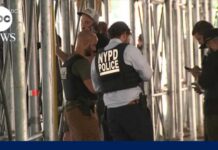
- ICE and DHS deny raiding church interiors, claiming arrests happened in parking lots, but the fear remains
Bishop Caves to Immigration Fears—Mass Obligation Suspended
Bishop Alberto Rojas, spiritual leader of more than 1.5 million Catholics in the Diocese of San Bernardino, signed off on a decree excusing parishioners from their Sunday Mass obligation. The reason? A wave of fear triggered by immigration enforcement actions on church property in early July. The story that set this off involved Immigration and Customs Enforcement agents arresting an individual who, according to the Department of Homeland Security, drove onto church property and was apprehended in a parking lot—not inside the sanctuary itself. Still, the optics have left thousands of Catholics rattled, worried their next trip to worship could end in handcuffs or deportation, especially in a region where many are undocumented or have mixed-status families. For a faith that’s survived centuries of persecution, war, and even COVID lockdowns, the idea of skipping Mass because of government agents lurking outside is a new—and frankly, absurd—frontier.
The bishop’s dispensation is not carte blanche for everyone to sleep in on Sundays. It specifically covers parishioners who “experience genuine fear” due to the threat of immigration enforcement. This puts the ball in the court of every worshiper: if you’re scared the Feds are waiting for you in the pews, you’re off the hook. If not, see you at Mass—unless, of course, you’re worried about what might happen in the parking lot. Rojas stressed he respects law enforcement but called out what he sees as indiscriminate detentions and the erosion of due process for immigrants. The message from the pulpit: stay home if you’re afraid, and don’t feel guilty about it. For a church that’s always insisted on the importance of Sunday worship, this is a seismic shift.
Church, State, and the Politics of Fear
The San Bernardino dispensation lands at a moment when immigration enforcement in California is again at the boiling point. The diocese’s move is being watched closely by other Catholic leaders, especially those with large immigrant congregations. It’s not the first time a bishop has excused the faithful from Mass—think COVID lockdowns—but doing so over fear of government agents is almost unheard of. The Church has a long tradition of advocating for immigrants and providing sanctuary, but rarely has it taken such a public stand in direct response to federal enforcement actions. The Department of Homeland Security, for its part, insists no church sanctuary was breached, only that the arrest happened on adjacent property. Yet the distinction is cold comfort for families who now see even their churches as potential traps.
The dispensation is open-ended, remaining in effect “until further notice or until the circumstances necessitating this decree are sufficiently resolved.” Meanwhile, the diocese is left to provide pastoral support to parishioners wrestling with anxiety and uncertainty. Catholic advocacy groups, immigrant rights organizations, and legal experts are all weighing in. Some see the move as a necessary act of protection; others warn it could set a precedent, making churches appear less safe and further isolating vulnerable communities. The relationship between the Church and federal authorities is fraught, with bishops trying to balance pastoral care against the realities of the law—an increasingly difficult task when those laws are enforced with what many see as a heavy hand.
Implications for Faith, Family, and the Rule of Law
Short term, the bishop’s decree means fewer parishioners are likely to show up for Mass, especially where fear runs high. The economic impact could be significant, with fewer donations and diminished community activities. Socially, the dispensation deepens mistrust between immigrant families and law enforcement, while also fostering solidarity within the Church. Politically, the decision fans the flames of an already heated debate about religious freedom, sanctuary, and the proper limits of federal power. The Catholic Church’s stance could embolden other faith communities to take similar steps, potentially escalating the standoff between religious leaders and government agencies over the treatment of undocumented immigrants.
Long term, this dispensation could serve as a precedent for bishops across the country. If churches become off-limits to enforcement, will other public spaces follow? Or will the government double down, further eroding trust in institutions that have traditionally offered sanctuary to the most vulnerable? For now, parishioners in San Bernardino get a pass from Sunday obligation—not because of illness or natural disaster, but because the fear of being whisked away by federal agents has become more real than the call to worship. For those who believe in the Constitution, religious liberty, and the rule of law, it’s a moment that should give everyone pause.