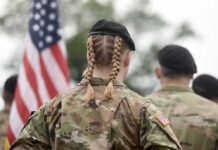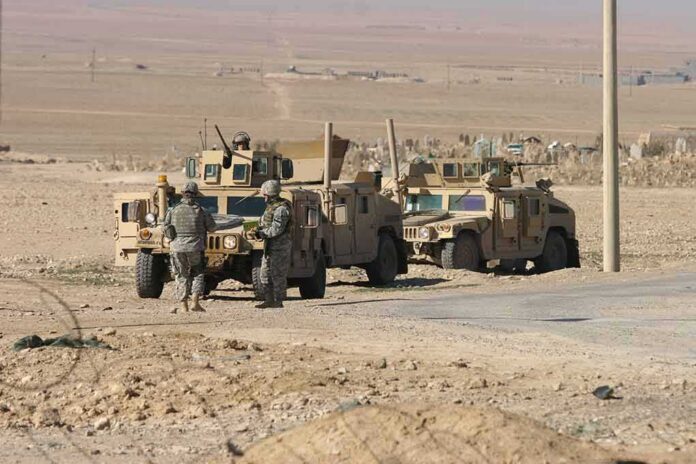
After 23 years, U.S. and Iraqi officials say all remaining American troops will leave Iraq by September 30 under a deal that ends the anti-Islamic State mission and hands security to Iraqi forces.
Story Snapshot
- Officials set a late-September deadline to end the U.S. military presence tied to the anti-ISIS mission.
- A 2024 joint statement framed a transition to bilateral security ties with Iraq after the mission ends.
- Iraq’s prime minister publicly linked the exit to a shift toward economic activity by U.S. companies.
- Past drawdowns in Iraq often used phased timelines and residual roles before full departures.
What Was Decided and When the Exit Happens
American and Iraqi officials said the U.S. military will be out of Iraq by the end of September. They tied the move to an agreement that ends the mission against the Islamic State group and shifts security duties to Iraqi forces. A State Department joint statement in 2024 set the basic framework. It said the coalition would end its military role within twelve months and move to direct security partnerships with Iraq by late 2025 at the latest.
Iraq’s prime minister reinforced the timeline in public remarks. During a meeting in Washington, he said U.S. forces would leave by September 30. He also said American companies would enter the Iraqi market, signaling a pivot from troops to trade and investment. This message matched U.S. statements that the counter-Islamic State mission is ending, and that next steps will be handled through normal government-to-government ties, not a standing foreign troop presence.
How This Fits the Long Pattern of Iraq Transitions
Prior Iraq withdrawals rarely happened all at once. U.S. government records show that Washington ended combat missions first, then kept transitional forces for training, targeted counterterrorism, and protection before final departures. In 2009 and 2010, the White House described that phased approach, including a large advisory force before the 2011 exit deadline. This history explains why officials now stress both the mission’s end and a follow-on relationship that does not rely on U.S. bases.
Public reports over the last two years also pointed to a staged wind-down. Outlets tracked a plan that reduced troop levels and returned bases to Iraqi control in steps, with milestones in 2025 and 2026. Analysts warned that words like “withdrawal,” “drawdown,” or “redeployment” often described the same process from different angles, making timelines sound confusing even when the direction of travel was clear.
What Changes on the Ground and What Comes Next
Ending the military mission means Iraqi forces take primary responsibility for counter-Islamic State tasks inside Iraq. That shift also means U.S. support, if any, would move to normal security cooperation programs. Those programs can include training teams that rotate in and out, combined exercises, and sales or maintenance of equipment, all under Iraq’s control. Officials said the aim is to keep pressure on Islamic State cells without a standing U.S. troop footprint.
Officials confirm US on track to finish troop withdrawal from Iraq by Sept. 30 ~ https://t.co/u65qSR9hzc
— MikeKirby (@mikekirbyone) August 13, 2026
Officials and observers on both the right and the left share a core question: will promises match reality? Many Americans remember earlier exits that were followed by new missions and later returns. The Associated Press report and the prime minister’s remarks create a clear marker for accountability at the end of September. The 2024 joint statement provides a paper trail for the overall plan, which helps the public judge whether Washington and Baghdad keep their word.
Why This Matters for U.S. Policy and Public Trust
For conservatives who want to end “forever wars,” this step closes a costly chapter overseas. For liberals who worry about open-ended deployments, it reduces the risk of mission creep. For both, the main test is execution. Phased drawdowns can hide delays, carve-outs, or contractor backfills. Clear reporting on final troop numbers, base handovers, and any residual roles will show if the government delivered the promised exit or simply rebranded it.
The withdrawal also highlights a larger shift in U.S. strategy. Washington is signaling that regional partners must lead their own security. That places more weight on Iraqi institutions and politics. If Iraqi forces keep Islamic State cells contained, the transition holds. If violence surges, pressure could rise for new outside help. The public will watch the results on the ground, not the labels used in press releases. One claim deserves one check: are U.S. troops gone on October 1?
Sources:
obamawhitehouse.archives.gov, britannica.com, bbc.com, en.wikipedia.org
© patriotsunited.org 2026. All rights reserved.