
Elon Musk has left Tesla shareholders with a real governance problem: the companies he runs are now being discussed in the same merger sentence.
Quick Take
- Musk said Tesla and SpaceX have “more and more overlap” and would need an “appropriate process” to combine.
- Reuters and Bloomberg reported that SpaceX was considering a Tesla merger, so this was not just online chatter.
- The record still shows talk, not a signed deal, board approval, or proof of shareholder harm.
- Musk also denied a separate report that Tesla might sell its China business to help a merger.
Musk Keeps the Door Open
On Tesla’s earnings call, Musk did not dismiss the merger idea. He said there is “more and more overlap” between Tesla and SpaceX, but added that combining companies “has got to be done with the appropriate process.” That language matters because it shows the idea is being discussed in public, even if Musk stopped short of announcing any deal. Reuters also reported that he left the door open to a combination.
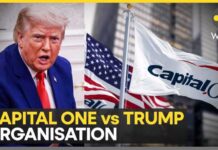
The bigger issue is not whether the rumor exists. It is whether a deal between companies he controls could put Musk’s interests ahead of Tesla’s public shareholders. Reuters reported that SpaceX was exploring a merger with Tesla, and Bloomberg said SpaceX had also discussed a possible tie-up with xAI. Those reports make the situation look less like random market noise and more like a live question inside Musk’s business empire.
Why Investors Are Paying Attention
Market coverage has treated the idea as serious because Tesla and SpaceX already do business with each other. Reports describe shared projects, common personnel, and cross-company payments that show how tightly Musk’s firms are linked. Business Insider said SpaceX’s filing described more than $660 million in payments, goods, and services involving SpaceX and Musk’s other ventures last year. That kind of overlap can create both synergy and conflict.
Some of the reporting also connects the merger talk to control. The New York Times said Musk would essentially be “making a deal with himself,” since he controls SpaceX and is Tesla’s largest shareholder. Wall Street Journal reporting said a Tesla-SpaceX combination could help Musk in ways tied to his compensation structure. That does not prove wrongdoing, but it explains why critics see a possible self-dealing path rather than a clean business merger.
What Is Proven, and What Is Not
The public record does not show a signed merger agreement, a board resolution, or a shareholder vote. It shows discussion, speculation, and cautious public remarks. Reuters, CNBC, Bloomberg, and Forbes all framed the story as merger talk or exploration rather than a completed transaction. That is important because shareholders cannot be said to have been cheated on the basis of rumor alone, even when the rumor comes from major outlets.
The terms of the Tesla and SpaceX merger.
Tesla Market cap. 4T
SpaceX. 2T
2:1Elon Musk should only have sixty percent of the voting power.
— X돈키호테 (@JGopon81721) August 11, 2026
Musk also pushed back hard on one key branch of the story. He denied reports that Tesla might sell or spin off its China business to make a SpaceX merger easier, calling the claim “fake news” and saying it had never come up in discussion. Reuters later reported that Tesla’s China footprint could complicate any future merger path, which shows the issue is still unresolved and structurally messy, not settled fact.
What This Means for Tesla Shareholders
For now, the strongest case is not that Musk has already scammed shareholders. The stronger case is that the situation raises a classic control-company problem: one person dominates multiple businesses that may be pushed closer together. In that setting, investors want clear documents, independent review, and fair pricing. None of those items is public in the material provided, so the story remains a warning sign rather than proof of a completed scheme.
That gap matters because the media conversation can still shape expectations before any real process begins. Analysts, investors, and betting markets have already treated a merger as plausible. If Musk ever moves from hints to a formal proposal, Tesla shareholders would need to see exactly who benefits, what they receive, and what protections exist. Until then, the record supports scrutiny, not a verdict.
Sources:
youtube.com, electrek.co, reuters.com, finance.yahoo.com, theguardian.com, cnbc.com, nytimes.com, forbes.com, wsj.com, reddit.com
© patriotsunited.org 2026. All rights reserved.