President Trump’s vow to declare the Strait of Hormuz “U.S. territory” collides head-on with settled maritime law and sharp Iranian pushback.
Story Snapshot
- Trump said he will declare the Strait of Hormuz a U.S. territory, signaling sweeping control claims.
- International law treats Hormuz as an international strait with non-stop transit rights, not sole ownership.
- Analysts say the United States can influence traffic with naval power, but that is not legal sovereignty.
- Iran asserts control in United Nations filings and state media, inflaming a high-risk legal and military standoff.
What Trump Said And Why It Matters
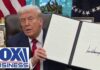
On August 14, 2026, President Trump said he would declare the Strait of Hormuz “a territory of the United States,” adding that U.S. forces would control passage. The statement fits weeks of tough talk and reports of a strong U.S. naval posture near the waterway. The line landed because the strait carries much of the world’s oil. Any move that hints at annexation or tolls stirs markets, spooks shippers, and raises the odds of a dangerous misread by rivals and partners alike.
The claim also tests trust in U.S. institutions. Many Americans on the right and left think elites bend rules to suit power. A pledge to “declare” a foreign waterway as U.S. land feeds that fear. It sounds like a shortcut around Congress, courts, and allies. Supporters may hear strength. Critics may hear a blank check. Both hear a government that talks big while daily costs and risks keep rising at home. That is why the words carry more weight than a one-off quip.
What The Law Says About Hormuz
Legal experts describe the Strait of Hormuz as an international strait where “transit passage” applies under the United Nations Convention on the Law of the Sea, Articles 37 to 44. Transit passage means ships and planes may move through without being stopped or charged simply for passing. Analysts also stress that while Iran and Oman border the strait, no single state can shut it down for all. The United States has not ratified the treaty, but many scholars say these rules reflect custom that still binds practice.
This matters because power at sea has layers. Navies can escort ships, screen cargo, and deter attacks. Those acts show operational control. Sovereignty is different. Ownership means the state sets core rules like a homeland. The United States can shape movement with ships and aircraft. That does not create title to the strait. Experts warn that mixing these ideas twists the public debate and can lead to bad calls by leaders and markets.
Iran’s Claims And The Growing Face-Off
Iran told the United Nations shipping agency that parts of the strait are within its territorial waters and that a coastal state holds sovereignty over its territorial sea. Iranian officials and state-linked voices also said the armed forces manage the strait with full authority, and that ships must use set routes and get permission from the Islamic Revolutionary Guard Corps Navy. Other reports say Tehran seeks global recognition of control and the power to levy fees on ships entering or leaving the Gulf.
These claims challenge the transit passage rule and raise shipping costs and risk. They also provoke a U.S. response, especially when oil markets tighten. But neither Iran’s geography nor its military patrols convert the strait into Iran’s private channel. The expert consensus still holds: the strait is an international passage, and there is no clear legal path for the United States to declare territorial ownership, either. That gap leaves both sides trading maximal claims without a firm legal anchor.
What Is Proven, What Is Not, And Why The Stakes Feel Bigger
Trump’s statement is on the record. However, the public record provided does not show a matching executive order, proclamation, or treaty to assert U.S. sovereignty over the strait. Legal commentary also undercuts the idea that such a claim could stand, since transit passage “shall not be impeded,” and the waters lie between Iran and Oman, not the United States. Analysts do note the United States can affect traffic with a strong naval presence. That still falls short of legal ownership.
The Trump administration plans to declare the Strait of Hormuz a US territory.
— Diano Olwenyi Peters (@DianoPeters) August 15, 2026
For Americans who feel the system favors the powerful, this episode rings familiar. Leaders use dramatic words while the legal and economic facts stay stubborn. Oil prices can jump. Insurance rates can spike. Supply chains can slow. Families then pay more to drive and heat homes. The fight over Hormuz shows how grand claims, whether from Washington or Tehran, can bypass steady problem-solving and push the country closer to risk without a clear, lawful plan to lower it.
Sources:
independent.co.uk, rsisinternational.org, sunderland.ac.uk, internationallaw.blog, ntu.ac.uk, ejiltalk.org, fortune.com, tandfonline.com
© patriotsunited.org 2026. All rights reserved.