President Donald Trump filed a $10 billion lawsuit against the BBC, claiming the British broadcaster deliberately edited his January 6th speech to make him appear responsible for inciting the Capitol riot.
Story Snapshot
- Trump seeks at least $10 billion in damages from the BBC over documentary editing
- Lawsuit centers on alleged manipulation of his January 6, 2021 speech to supporters
- Legal action filed in federal court targeting editorial decisions in BBC documentary
- Case highlights ongoing disputes over media coverage of Capitol riot events
The Heart of the Legal Challenge
Trump’s federal lawsuit targets what he characterizes as deliberate editorial manipulation by the BBC. The president alleges the British broadcaster selectively edited portions of his January 6, 2021 speech to supporters, creating a misleading narrative about his role in the events that followed. This legal action represents one of the largest defamation claims ever filed against an international news organization by a US president.
Documentary Editing Under Legal Scrutiny
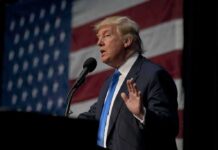
The BBC documentary in question featured segments of Trump’s speech delivered to supporters before they marched to the Capitol. Trump’s legal team argues the editing process removed crucial context and pieced together statements in ways that distorted his actual message. The lawsuit contends this editorial approach crossed the line from legitimate journalism into defamatory misrepresentation, potentially influencing public perception of his actions and intentions.
Media organizations routinely edit lengthy speeches for time constraints and narrative flow in documentaries. However, Trump’s lawsuit raises questions about where editorial discretion ends and potential defamation begins, particularly when covering politically sensitive events with ongoing legal ramifications.
US President Donald Trump on Monday filed a lawsuit seeking at least $10 billion from the BBC over a documentary that edited his 2021 speech to supporters ahead of the US Capitol riot.https://t.co/Vym7wUoiFU
— The Chronicle (@ChronicleZim) December 16, 2025
Massive Damage Claims and Legal Strategy
The $10 billion damage figure positions this lawsuit among the highest-profile media defamation cases in recent history. Trump’s legal team must demonstrate not only that the editing was misleading, but also that it caused quantifiable harm to his reputation and business interests. This burden of proof becomes particularly challenging when dealing with a public figure who faces multiple legal proceedings related to January 6th events.
The timing of this lawsuit, filed while Trump campaigns for the 2024 presidential election, suggests a dual strategy of legal remedy and public relations offensive. By targeting an international broadcaster, Trump extends his media criticism beyond domestic outlets to global news organizations covering American political events.
Broader Implications for Press Freedom
This lawsuit arrives amid heightened tensions between political figures and news media over editorial independence. The case will likely test established legal precedents protecting journalistic editorial decisions, particularly regarding documentary filmmaking and the compression of lengthy political speeches. Courts must balance legitimate defamation claims against First Amendment protections for press freedom.
International news organizations now face potential legal exposure for their coverage of American political figures, even when operating under different journalistic standards and legal frameworks. The outcome could influence how foreign media outlets approach coverage of US political events and controversial figures moving forward.