President Trump says the United States has locked up majority control of more than 65 billion barrels of Venezuelan oil reserves, calling it “the biggest oil deal in world history.”
Quick Take
- Trump announced the deal on Truth Social, crediting Secretary of State Marco Rubio and Secretary of War Pete Hegseth with negotiating it alongside Venezuela’s interim government.
- Venezuela’s government says the arrangement covers 17 oil fields and could bring in $100 billion in investment and over $209 billion in taxes for Caracas.
- A U.S. official says a private company will run the fields under a 100-year development agreement.
- Trump claims the deal costs American taxpayers nothing and will more than double U.S. oil reserves while cutting gas prices.
- No signed contract, treaty text, or official government document has been made public yet.
Trump Announces the Agreement
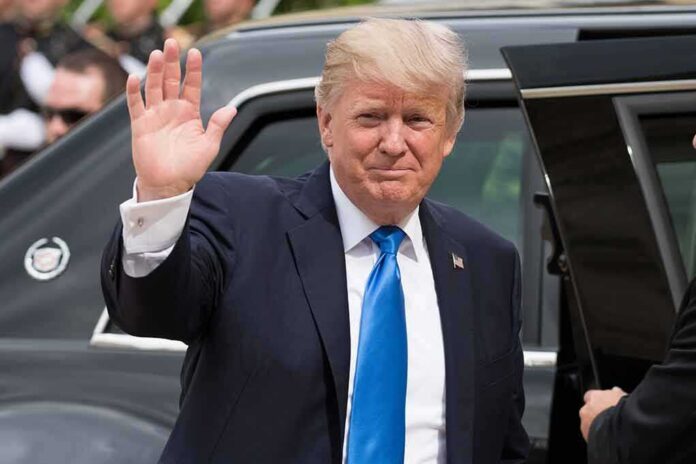
Trump posted the announcement on Truth Social on August 28, 2026. He said the deal was made “at my direction” and credited Rubio and Hegseth for working with Delcy Rodríguez, Venezuela’s interim president. Trump said the agreement secures “majority U.S. control of more than 65 BILLION BARRELS of proven Oil Reserves in Venezuela, at no cost to the American Taxpayer”. He called it “the biggest oil deal in world history”.
Trump said the deal would more than double America’s oil reserves. He also said it would “substantially lower gas prices for all Americans long into the future”. Those are big promises tied to a single social media post, and no government agency has released numbers to back them up yet.
What Reuters and Axios Reported Before the Announcement
Reporting from Reuters showed talks were already underway before Trump’s post went public. Sources told Reuters the Trump administration was negotiating long-term U.S. access to more than a dozen productive Venezuelan oil fields. Axios separately reported the administration was discussing taking a direct stake in Venezuelan oil production. Under the plan described by Reuters, American companies would develop the fields, and the resulting oil supply would be guaranteed for the United States.
Venezuela’s Government Describes a 17-Field Deal
Rodríguez’s government released its own statement describing the arrangement. It said the deal covers development of 17 oil fields with a proven potential of 65 billion barrels. Venezuela’s government said the project could draw $100 billion in outside investment and generate more than $209 billion in tax revenue for Caracas over time. A U.S. official told the Associated Press that Washington would partner with a private operator to form a new company, and that Rodríguez granted that company 100-year rights to develop the fields.
Details Still Missing From the Public Record
No treaty text, signed contract, or official joint statement from the White House, State Department, or Venezuelan government has been released publicly. The available information comes from Trump’s social media post, government statements, and news reports citing unnamed officials. That does not mean the deal isn’t real. It does mean the exact terms — including revenue splits, sanctions arrangements, and financing — are not yet spelled out in any public document.
Trump announces ‘biggest oil deal in world history' with Venezuela | Fox Business https://t.co/qG0BAZSWq6
— Ulrich 🐶🐴🐂🐟🐧 🦓🐻🐄🐬🐟🐓🐦🐧🐥🐘🦓 (@UKnuchel) August 29, 2026
Venezuela has been under heavy U.S. sanctions for years, targeting its state oil company and crippling production that once topped 1.5 million barrels a day. Any deal this size would likely require some sanctions relief or special licensing from the Treasury Department, though the public record here does not show what, if any, sanctions changes came with this announcement.
Why This Deal Matters to Ordinary Americans
Gas prices and energy security are pocketbook issues that touch nearly every American household. If the reserve and investment figures hold up, this could reshape U.S. energy supply for decades. But the size of the promise — 65 billion barrels, no taxpayer cost, lower gas prices for life — invites the same question that follows every big announcement out of Washington: what happens when the paperwork catches up with the press release?
Sources:
nypost.com, straitstimes.com, reuters.com
© patriotsunited.org 2026. All rights reserved.