Somalia’s UN Ambassador’s dual role as a healthcare company administrator in Ohio sparks ethics questions amid U.S. fraud probes.
Story Snapshot
- Abukar Dahir Osman served as both a diplomat and a healthcare director.
- Federal scrutiny targets Somali-linked Medicaid fraud.
- Somalia’s Security Council presidency heightens ethical concerns.
- Elon Musk’s call for arrest amplifies the controversy.
Diplomat by Day, Healthcare Executive by Night
Abukar Dahir Osman, Somalia’s Permanent Representative to the United Nations, has found himself at the center of a swirling controversy. This unexpected scrutiny stems from his dual role, which saw him serving as the Managing Director of Progressive Health Care Services Inc., a Cincinnati-based healthcare company, while also holding his diplomatic position. This overlap is particularly concerning because it coincides with ongoing federal investigations into Somali-linked Medicaid fraud schemes in the United States.
Osman’s tenure at Progressive Health Care Services Inc. spanned from 2014 to 2019, during which time he also assumed his ambassadorial duties in June 2017. As a statutory agent of the company, his involvement raises questions about potential conflicts of interest. The healthcare firm, which operates within a sector notoriously vulnerable to fraud, came under scrutiny in 2019 when it received an exclusion code from the U.S. Health & Human Services (HHS) due to fraud risks.
Somalia’s Security Council Presidency Under Scrutiny
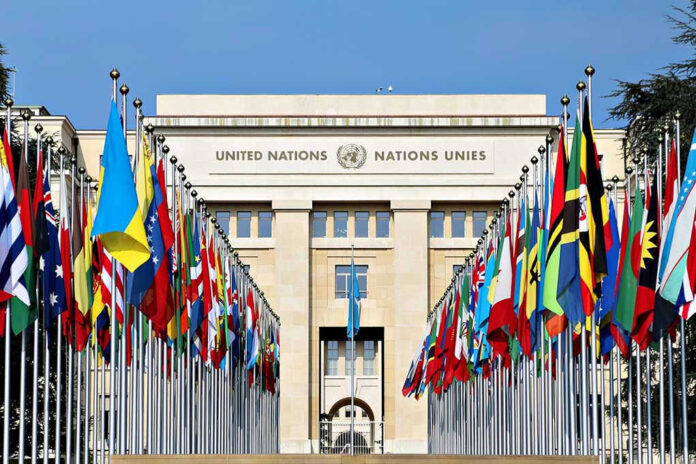
The timing of these revelations is particularly critical, as Somalia has recently assumed the rotating presidency of the UN Security Council as of January 1, 2026. This leadership role places Somalia in a position to influence global peace and security discussions. However, the ethical concerns surrounding Osman’s past roles cast a shadow over Somalia’s diplomatic credibility during this pivotal time.
Elon Musk’s intervention has amplified the story significantly. On social media, Musk called for Osman’s arrest, framing it as an ironic twist of fate. His statement has further fueled public interest and brought additional pressure on Somalia’s UN mission, which has yet to respond to the allegations. The lack of a criminal investigation into Osman himself has not quelled the controversy.
Implications for International Relations
While no criminal charges have been filed against Osman, the situation poses significant implications for international relations. The controversy may erode Somalia’s standing within the UN and could lead to diplomatic isolation. In the long term, this case may prompt calls for enhanced transparency and ethical oversight within the UN, particularly regarding financial disclosures by diplomats.
The broader impact extends to U.S. taxpayers, who bear the financial burden of Medicaid fraud. As federal authorities continue to investigate fraudulent activities linked to the Somali diaspora, this case highlights the ongoing vulnerabilities in healthcare systems. It also underscores the need for more stringent oversight of Medicaid-funded programs.
Broader Context and Lessons Learned
The Somali-linked Medicaid fraud schemes are not isolated incidents. They reflect a broader pattern of fraud that has been uncovered in various states, including Minnesota, Ohio, Washington, and Maine. These schemes often involve daycare centers, healthcare facilities, and transportation services, all of which have been used as fronts for fraudulent activities.
For the Somali community in the U.S., these revelations can reinforce negative stereotypes, despite the fact that the crimes are attributed to individuals rather than the community as a whole. It is essential to distinguish between the actions of a few and the broader contributions of the Somali diaspora.