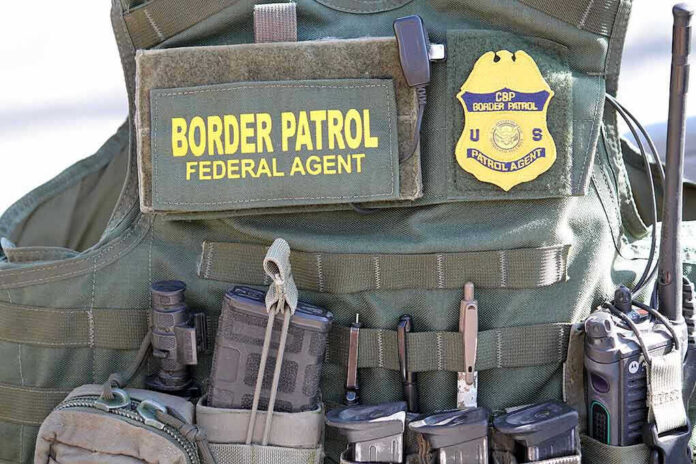
Federal agents and protesters clashed dramatically in Minneapolis, revealing the volatile nature of immigration enforcement in America.
Story Overview
- Protest against ICE erupts into chaos as a water bottle is thrown.
- Federal agents swiftly respond with force, pursuing protesters.
- Immigration enforcement policies remain a heated national debate.
- State and federal tensions escalate with ongoing legal battles.
Protest Escalates to Chaos
On January 8, 2026, a protest outside a federal building in Minneapolis turned chaotic when a water bottle was hurled at armed ICE agents. This act triggered an immediate and intense response from the agents, who broke formation to chase down the protesters. Video footage vividly captured the scene as agents sprinted into the crowd, deploying what appeared to be pepper spray, and tackling individuals in an adjacent parking lot. The incident underscores the fraught relationship between law enforcement and immigration activists.
The protest, held against the backdrop of heightened immigration enforcement since the 2024 elections, was fueled by a yet unspecified incident that occurred a day prior. Demonstrators, waving signs and Mexican flags, voiced their anger and frustration over perceived injustices. The rapid escalation from a thrown object to an aggressive federal response was stark, highlighting the delicate balance of maintaining order while respecting the rights of demonstrators.
Historical Context and Tensions
The roots of the protest can be traced back to 2018 when immigration policies, such as family separations under the Trump administration, sparked widespread outcry. Minneapolis has since been a hotbed of activism, with recurrent protests against ICE operations. The recent incident is part of a series of clashes that have flared up in response to intensified federal activities and ICE raids, which many local communities perceive as overreaching and unjust.
The Bishop Whipple Federal Building, where the protest occurred, is no stranger to such demonstrations. It houses ICE offices and has been the site of numerous protests advocating for immigrant rights. These events often mirror past civil unrest, such as the 2020 George Floyd protests, reflecting a city that is both a symbol of and a battleground for civil rights and social justice.
Stakeholders and Power Dynamics
The key players in this unfolding drama include ICE agents, protesters, and state officials. ICE agents, tasked with enforcing federal immigration laws, find themselves at the center of a contentious national debate. Protesters, driven by a desire to halt deportations and defend immigrant communities, challenge what they see as federal overreach. Meanwhile, Minnesota state officials have taken legal action, suing the federal government to stop ICE operations, thereby intensifying the state-federal friction.
The power dynamics are stark: federal agents, equipped with weapons and crowd control measures, face off against unarmed protesters. The agents’ response to the bottle-throwing incident, described as quick and forceful, reflects their mandate to protect federal property and maintain order. However, this approach often fuels further protester anger and public scrutiny, especially when captured on video and disseminated widely via social media.
Legal Battles and Future Implications
In the wake of the January 8 protest, the state of Minnesota and the Twin Cities filed a lawsuit against the federal government, aiming to curtail ICE activities within their jurisdiction. This legal move underscores the growing tension between state and federal authorities over immigration enforcement. The lawsuit, alongside ongoing protests, highlights the complex web of legal, social, and political challenges that define the current immigration debate.
The implications of these events are significant. In the short term, they may lead to increased tensions and possible arrests as protests continue. In the long term, the outcome of the legal battles could either embolden federal enforcement or galvanize national movements against ICE operations. The situation remains fluid, with both sides entrenched in their positions, and the broader immigration debate showing no signs of abating.