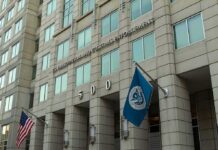
Federal health officials named shredded iceberg lettuce from Taylor Farms de Mexico, served at some Taco Bell restaurants, as a source of a multistate cyclospora outbreak that has sickened thousands.
Story Highlights
- Federal agencies traced cases to shredded iceberg lettuce served at Taco Bell in five states.
- The Food and Drug Administration said Taylor Farms de Mexico supplied the implicated lettuce.
- Taylor Farms moved to pull iceberg lettuce from central Mexico and begin a recall.
- Past cyclospora probes linked Taylor Farms de Mexico to outbreaks despite negative product tests.
What Officials Confirmed About the Outbreak
The Centers for Disease Control and Prevention warned people not to eat shredded iceberg lettuce from Mexico served at certain Taco Bell locations in Indiana, Kentucky, Michigan, Ohio, and a fifth Midwestern state after clusters of illness were traced to meals there. The Food and Drug Administration said the lettuce came from Taylor Farms de Mexico, which supplied Taco Bell restaurants tied to reported cases. Investigators said the parasite causes severe diarrhea and can lead to dehydration without treatment.
Taylor Farms said it would remove all iceberg lettuce sourced from central Mexico from the United States market and start a recall based on federal traceback findings. The company described the implicated supply as a small share of overall iceberg lettuce and said the step was voluntary while investigations continue. Federal advisories asked consumers to check meals containing shredded iceberg lettuce from Mexico and to seek care if they have symptoms after eating at affected locations.
Why Cyclospora Is Hard to Trace
Investigators rely on interviews, purchase records, and shipping logs to connect illnesses to a common food because the parasite often leaves no trace in finished products by the time people get sick. In prior cyclospora outbreaks, officials named Taylor Farms de Mexico as the source even though hundreds of food and water samples tested negative, because the epidemiology and traceback pointed to a single supplier. Reporting lags of three to four weeks make real-time testing even harder.
Public health data show that contamination often happens before food reaches a kitchen, such as through dirty irrigation water or contact with animals in the field. That pattern matches how fresh, cut produce can spread illness across many locations at once. Agencies say they issue public warnings only when they have clear, actionable links so people can avoid specific items while the search for the exact point of contamination continues.
How This Hits Taco Bell, Taylor Farms, and the Food Chain
Taco Bell faces immediate brand and sales pressure because the warning targets a common menu ingredient that moves fast through stores. Taylor Farms must manage a recall, customer questions, and possible shifts in sourcing while investigators examine farms in Mexico and the shredding facility workflow. Both companies will likely add new water testing, field audits, and supplier checks to win back trust and protect against future events tied to fresh produce handling.
Taylor Farms pulls iceberg lettuce in cyclospora outbreak. “Do not eat shredded iceberg lettuce served at Taco Bell locations in Indiana, Kentucky, Michigan, Ohio, and West Virginia,” the CDC said in its investigation update late Thursday.
— Martha-JD, MBA, PCC-😷🇺🇦 (@mryoung151) July 18, 2026
For diners, this is another reminder that outbreak risks rise when complex supply chains meet fragile foods. For workers and franchise owners, it means wasted inventory and lost hours they cannot afford. For many Americans across the political spectrum, the episode reinforces a broader worry: the system often reacts after people get sick, not before. Agencies defend fast warnings and recalls as the best available tools, but the gap between farm risks and store shelves keeps showing up in the news.
What Consumers Can Do Now
People who ate shredded iceberg lettuce from Mexico at listed Taco Bell locations and developed watery diarrhea, cramps, or nausea should contact a doctor and mention possible cyclospora exposure, since testing and treatment are specific to this parasite. At home, discard any labeled shredded iceberg lettuce from Mexico tied to the advisory. Keep receipts and order records when possible. Simple steps like washing hands, rinsing whole produce, and separating raw and ready-to-eat foods help reduce other risks, even though rinsing does not reliably remove cyclospora.
Sources:
food-safety.com, fda.gov, taylorfarms.com, independent.co.uk, cidrap.umn.edu, cdc.gov
© patriotsunited.org 2026. All rights reserved.