At the NATO summit in Turkey, President Donald Trump said he is “number one on the kill list for Iran,” even as he claimed Iran’s power is shattered and its economy is failing.
Story Snapshot
- Trump said Iran put him at the top of a “kill list” during a NATO press conference.
- Trump also claimed Iran’s military and nuclear programs are crippled, and its economy is collapsing.
- Independent reviews credit U.S. and Israeli strikes with major wins, but stop short of “total victory” claims.
- Mixed signals from Tehran and Washington on talks and cease-fire claims add confusion to an already tense moment.
What Trump Said At The NATO Summit
During a press conference at the NATO summit in Turkey, President Donald Trump said he is “number one on the kill list for Iran.” He tied that threat to his stance on Iran and recent military actions. He also argued that Iran’s military and nuclear power are now crippled, and that its economy is failing. The statement drew global attention, because it mixed a direct personal threat with a claim of decisive U.S. and Israeli gains against Iran.
Trump’s framing echoed his broader message since the latest strikes began. He has pushed a story of clear wins and lasting damage to Iran’s capacity to fight. He also suggested that Iran is under intense internal stress. These claims aim to show strength to allies and rivals. But they also raise questions. If Iran is broken, why would top leaders target a U.S. president so directly? That tension sits at the center of today’s debate.
What Independent Reporting Supports
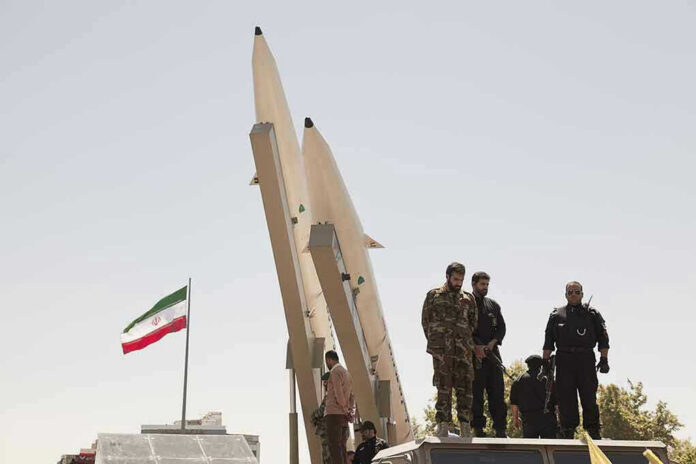
Independent assessments say the United States and Israel scored major battlefield wins, hitting command sites and military assets. Analysts called these gains significant. But they did not confirm that Iran’s capabilities are “permanently” destroyed. They also did not verify that Iran’s economy has fully collapsed. Experts warn that Iran can absorb damage and adapt, even if it is weakened. That view supports caution about announcing complete or final victory right now.
Public claims from both sides have also clashed over talks and de-escalation. U.S. statements hinted at progress or openings. Iran’s officials denied making cease-fire requests and said no deal is close. This gap adds to confusion for citizens who want straight answers and a path to end the conflict. It also feeds a shared concern across left and right that leaders spin narratives while the public faces real costs and risks.
Why This Hits A Nerve At Home
Americans who are tired of wars and rising prices hear two competing notes. On the one hand, promised wins sound good. On the other, there is fear that claims of “total victory” mask a long, costly standoff. Conservatives worry about endless deployments and high energy costs. Liberals worry about humanitarian harm and widening gaps at home. Many in both camps doubt Washington’s honesty and fear that leaders sell a story, not facts, to protect their power and budgets.
Trump’s “kill list” claim cuts both ways. It underscores a real security threat. It also helps justify tougher measures and tight control at home and abroad. That dynamic is common in high-stakes conflicts. Leaders highlight danger to rally support and press allies. The risk is that public debate narrows, oversight weakens, and mistakes grow. Citizens then feel unheard while elite actors set terms that regular people must live with.
What To Watch Next
Watch for evidence, not slogans. First, look for verifiable details on Iran’s remaining missile forces, naval assets, command nodes, and nuclear work from trusted defense reporting. Second, track whether Iran’s economy shows sustained contraction beyond short-term shock. Third, see if there is movement toward formal talks or a cease-fire that both sides admit. Clear proof in any of these areas will either support or undercut current claims from Washington and Tehran.
Speaking at the NATO summit, Donald Trump said he is “number one on the kill list for Iran,” adding that there is a 5.2 percent risk, but that he does not “really care.” pic.twitter.com/TS7Hedr2Ce
— Channel 8 English (@Channel8English) July 8, 2026
Also watch allied responses. NATO partners have weighed the risks of deeper roles in the conflict. Their choices will shape shipping routes, energy prices, and military burdens that hit families and small businesses. If the government asks the public for patience and sacrifice, the public deserves straight data and credible plans. In a time of fear and spin, basic accountability is not a luxury. It is the ground rule for a free society that wants both security and truth.
Sources:
pbs.org, facebook.com, scrippsnews.com, youtube.com
© patriotsunited.org 2026. All rights reserved.