One passenger’s bomb threat on a routine United Airlines flight triggered a full-scale emergency landing in St. Louis, exposing how quickly fear and protocol can transform an ordinary journey into a national headline—and leaving everyone asking: what really happened in those tense moments at 30,000 feet?
Story Snapshot
- A United Airlines Dallas–Chicago flight made an emergency landing due to a bomb threat involving a passenger’s wife’s luggage
- Pilots declared a general emergency and evacuated passengers safely in St. Louis; the suspect was arrested without injuries reported
- No bomb was found after a thorough search, but the incident disrupted travel and intensified scrutiny of airline security
- The case highlights escalating disruptive passenger behavior and the aviation industry’s heightened emergency response
Bomb Threat at 30,000 Feet: The Anatomy of a Midair Crisis
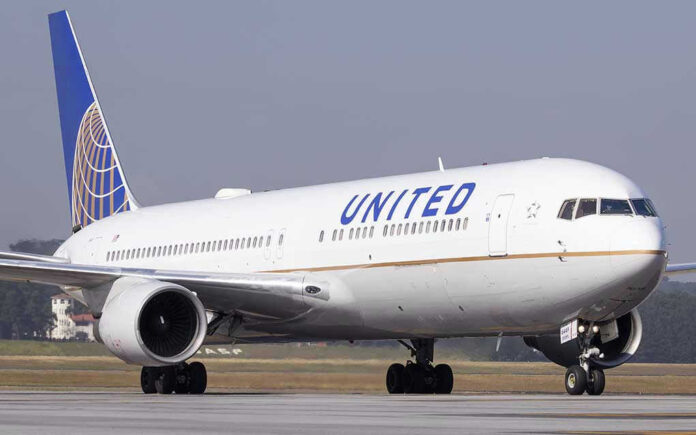
A routine Sunday morning, November 16, 2025. United Airlines flight UA380, a Boeing 737-700, departed Dallas bound for Chicago, carrying travelers expecting nothing more than an ordinary trip. Forty minutes after takeoff, that expectation was shattered when a male passenger claimed there was a bomb in his wife’s luggage. The pilots wasted no time: a general emergency was declared, and the aircraft diverted sharply to St. Louis. Every passenger’s heart raced as the threat morphed from rumor to reality in the closed, inescapable space of the cabin.
As the plane touched down on runway 29 at Lambert St. Louis International Airport, emergency vehicles swarmed the tarmac. Passengers, now part of a real-life drama, were evacuated swiftly to the B concourse. Law enforcement moved in, arresting the 26-year-old man who had sparked the chaos. For the passengers, what started as a simple flight became a tense evacuation—a reminder that the veneer of normalcy on any journey can be peeled back in a moment.
Inside the Rapid Emergency Response: Who Acts and Why
The emergency landing in St. Louis showcased the intricate machinery of aviation crisis management. Pilots, trained for every eventuality, made the call to prioritize passenger safety above all else. United Airlines’ crisis team coordinated closely with Lambert airport authorities, led by Director Rhonda Hamm-Niebruegge, ensuring a swift, orderly evacuation. The bomb and arson unit swept the aircraft, confirming no explosive device was on board. No injuries occurred, but the psychological aftershocks lingered for many involved, particularly as the threat’s origin—a claim about a spouse’s luggage—defied logic and left investigators searching for motive.
United flight forced to make emergency landing in St Louis after passenger made bomb threat, report says | The Independent https://t.co/RtJBITyoV0
— FireandAviation TV (@FireandAviation) November 17, 2025
The ripple effects extended well beyond those on board. St. Louis Airport operations were disrupted, flights delayed, and hundreds of travelers inconvenienced. Law enforcement’s arrest of the suspect marked only the start of a deeper probe, with authorities and the public alike left to wonder: Was this a calculated act, a moment of personal crisis, or something else? The answer remained elusive, but the incident placed a spotlight on the fragile balance between air travel convenience and security vigilance.
Aviation Security Under the Microscope: Lessons and Lingering Questions
Bomb threats on commercial flights are rare but not unprecedented, and this event reignites debate over aviation security and passenger screening. The industry, already under pressure from a post-pandemic surge in disruptive passenger incidents, now faces renewed calls for tighter protocols. Experts in aviation security point to the effectiveness of the rapid, coordinated response in St. Louis, but they also warn against complacency. Each incident—whether a hoax or real—tests the system and exposes potential gaps.
For the flying public, the incident serves as a stark reminder: air travel’s greatest risks are sometimes not mechanical, but human. United Airlines, the airport, and law enforcement all emerged with reputations for decisive action, but the specter of unpredictable passenger behavior now looms larger. Passengers may see more visible security, longer lines, and even new screening measures in the coming months as the industry digests the lessons from UA380. The question is not just how to prevent such threats, but how to manage the fear and disruption they inevitably unleash—on the ground and in the air.