
With Democrats now running both chambers, President Trump flashed a red “VETO” hat and promised to “fight back” against Congress.
Story Snapshot
- Democrats secured control of the House and Senate in the 2026 midterms.
- President Trump signaled a veto-first stance, displaying a red “VETO” hat.
- Trump said he is open to deals but will block bills he opposes.
- CBS reported Trump is preparing for a direct clash with the new Congress.
Democrats Take Both Chambers, Setting Up a New Power Map
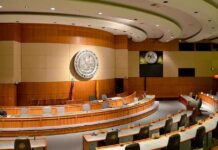
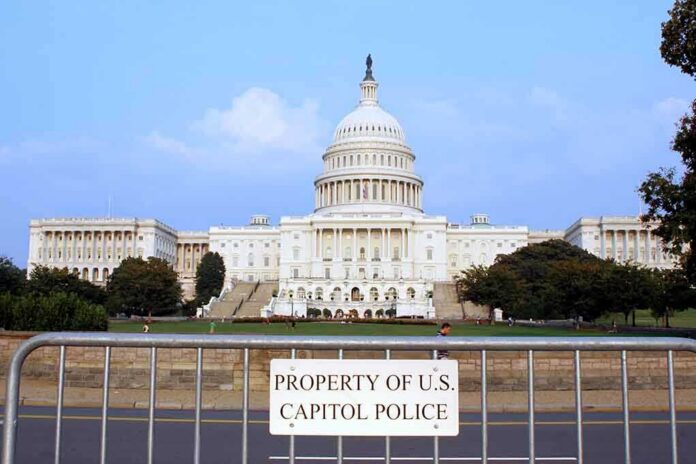
BBC and National Public Radio reported Democrats won control of the House and the Senate in the 2026 midterms, clearing the threshold to set the agenda in both chambers. Those counts varied as late votes were tallied, but both outlets placed Democrats in charge. That shift changes committee leaders, floor schedules, and the fate of bills. It also reshapes oversight. The new majority can call hearings, issue subpoenas, and send legislation to the President’s desk.
Control of both chambers matters in daily life. It affects which tax, health, energy, and border bills move. It decides whether spending bills include cuts or boosts. It shapes rules for oil and gas drilling and for clean energy credits. It steers immigration funding and enforcement. It influences whether social programs expand or shrink. Many voters on the right and left see these fights as proof that Washington power, not common sense, decides who wins and who pays.
Trump Signals Confrontation While Leaving Room to Bargain
Cleveland.com reported that President Trump posted and then displayed a red “VETO” hat after Democrats won, telegraphing a hard line against incoming bills he opposes. In the same reporting, he told Fox News he would work with Democrats when deals make sense but had “no hesitation” to veto. That message sets terms. It invites talks yet warns of a block if the majority pushes policies that clash with his agenda on spending, energy, and the border.
CBS News described Trump as “vowing to fight back” and assembling a more combative White House to meet the new Congress. That framing suggests staffing and process changes to speed decisions and defend red lines. Such posture can help in talks. Clear threats can shape the bills that reach the floor. But it can also harden stances. When each side plays to its base, middle-ground bills shrink. That raises the odds of standoffs over budgets and policy riders.
Why the Midterm Shift Fits History—and Why This One Feels Bigger
Since World War Two, the party in the White House often loses seats in midterms. Historical summaries show average House losses near the high twenties and Senate losses of a few seats for the president’s party. The 2026 outcome follows that pattern, but the scale reported by major outlets made the swing feel sharp. That size gives Democrats more room to pass bills. It also raises the cost to the President of standing firm if shutdown threats appear.
Veto threats are a normal tool in talks between presidents and Congress. Research on bargaining shows threats can steer policy before a bill ever passes, if Congress believes the threat is real. The “VETO” hat made that signal simple and public. Supporters see a needed check on what they view as costly plans. Critics see preemptive obstruction. Both groups worry that leaders answer donors and lobbyists first. Many believe the people’s needs get lost in the show.
What to Watch: Budgets, Border, Energy, and Oversight
Spending bills will test both sides first. Deadlines force choices on domestic programs, defense, and border resources. Democrats may try to add climate incentives and social items. Trump may demand fossil fuel boosts, tighter work rules, and strict immigration enforcement. If no deal lands, short stopgaps or shutdown risks return. Workers, families, and small firms often take the hit while Washington argues about line items and riders that few outside the Beltway read.
Oversight will heat up in committees. Expect hearings on executive actions, foreign policy, and contractors. The White House will try to narrow requests and push executive privilege. Democrats will press for documents and witnesses. The risk is a cycle of subpoenas and court fights. That burns time and money while real issues wait. Voters who feel priced out by inflation, energy spikes, and housing costs may see more theater than fixes unless both sides strike narrow, useful deals.
Sources:
cbsnews.com, bbc.com, cleveland.com, apnews.com
© patriotsunited.org 2026. All rights reserved.