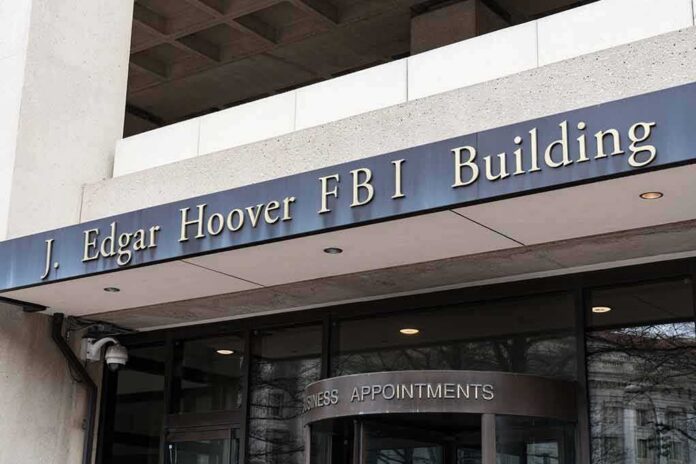
A new federal lawsuit says Hugh Hefner called the Federal Bureau of Investigation in 2005 to report Jeffrey Epstein after a Playboy Playmate said he raped and trafficked her—and that agents did not meaningfully act for about fifteen years.
Story Snapshot
- A 2026 court filing says Hefner phoned the Federal Bureau of Investigation in 2005 about Audra Christiansen’s report.
- The filing alleges repeated calls from Hefner and no meaningful action by agents for about fifteen years.
- The case is part of a broader survivor suit seeking accountability for federal inaction.
- Court records show the Federal Bureau of Investigation opened an Epstein probe in 2006, highlighting timing gaps.
What the new filing alleges about 2005
According to an amended complaint, Audra Christiansen, a former Playboy Playmate, told Hugh Hefner in 2005 that Jeffrey Epstein had sexually abused and trafficked her. The filing says Christiansen asked Hefner to contact the Federal Bureau of Investigation because his voice carried weight. Coverage quotes the lawsuit as saying Hefner alerted the bureau and followed up with multiple calls that year. The public reporting does not include an agent name or a reference number tied to those alleged contacts.
The complaint further claims the Federal Bureau of Investigation did not meaningfully investigate Christiansen’s allegations for about fifteen years. Reporting states she did not hear from the bureau until October 2020, long after Epstein’s first federal case and later developments. That long window sits at the center of the lawsuit’s argument that federal inaction allowed harm to continue. News accounts attribute the fifteen-year figure to the plaintiffs’ filing.
How this fits known Epstein timelines
Court records and Department of Justice materials show a federal investigation into Epstein began in 2006, one year after Hefner’s alleged calls, and later drew sharp criticism for how victims were treated. A 2013 court decision states the Federal Bureau of Investigation opened the investigation in 2006. A Department of Justice Office of Professional Responsibility review criticized how the 2006–2008 case was resolved and how victims were handled by the U.S. Attorney’s Office in South Florida.
These timelines matter because they highlight a gap between reported early warnings and visible action. The new filing argues that Christiansen’s tip in 2005 should have triggered faster steps. The record from 2006 to 2008 shows federal authorities reached a non-prosecution agreement that bypassed victims, which later drew a federal court rebuke. Together, these facts frame the lawsuit’s claim of institutional failure spanning many years.
Why this resonates across the political spectrum
Many Americans see a pattern where elite names get deference while regular people wait. This case touches that nerve. A famous media figure allegedly called the nation’s top law enforcement agency, yet a survivor says real follow-up did not come for about fifteen years. Conservatives angry about unaccountable bureaucrats and liberals upset about power protecting power both read this as proof that systems failed victims when it counted most.
Hugh Hefner reported Jeffrey Epstein to the FBI for the alleged rape of Playboy Playmate. Hefner allegedly called the FBI several times with the tip, who didn’t investigate the claim for 15 years, according to court documents pic.twitter.com/hOxrQC8UE5
— Sigurdur Nordal (@essenviews) August 14, 2026
The lawsuit sits within a larger push for transparency, including pressure to release files and explain who knew what, and when. Recent releases and timelines have started to fill gaps but still leave key questions about intake, triage, and victim outreach in the mid-2000s. While this filing focuses on Christiansen’s experience, it mirrors earlier reports that federal action on Epstein lagged behind early warnings, with lasting costs for survivors.
What happens next in court
The survivor suit, described as involving more than thirty plaintiffs, seeks accountability from the United States for alleged failures to act. Reporting says the Federal Bureau of Investigation has moved to dismiss related claims by arguing it is not required to investigate every complaint, a common threshold defense in such cases. Judges will weigh legal duties, available records, and harm claims. Discovery could surface intake logs, call notes, or emails that clarify how tips were handled.
Sources:
nypost.com, newsnationnow.com, jkbjournalist.substack.com, spreaker.com, govinfo.gov, media.ca11.uscourts.gov, cnn.com
© patriotsunited.org 2026. All rights reserved.