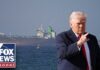
After surviving multiple attempts on his life, President Trump told supporters that “only consequential presidents get shot at,” turning deadly danger into a claim of significance.
Story Snapshot
- Trump said “only consequential presidents get shot at” after recent attempts on his life.
- Federal investigators treated the 2024 Butler rally shooting as an assassination attempt and potential domestic terrorism.
- Historians count many past attacks on presidents, showing a long pattern tied to polarization and exposure, not only “greatness”.
- Commentators split on Trump’s framing, debating safety, rhetoric, and free speech after the attacks.
What Trump Said And Why It Landed Hard
President Trump returned to rallies after recent threats and said, “only consequential presidents get shot at.” He used the line to cast the danger as proof that his agenda matters. Supporters heard strength and resolve. Critics heard a boast that risks normalizing violence. The remark followed a series of incidents over two years that kept security in the spotlight. The debate now centers on meaning: is the violence a sign of importance, or a warning about rising political rage?
Trump has leaned on personal testimony since the 2024 Butler, Pennsylvania shooting where a bullet grazed his ear during a campaign rally. He recounted the scene in detail days later, tying it to themes of survival and unity. Federal officials said they were investigating the Butler attack as an assassination attempt and potential domestic terrorism, underscoring its severity and the national stakes. That framing made clear this was not a minor breach or random scare.
How Authorities And Historians Frame Assassination Attempts
Law enforcement language is careful and formal. The Federal Bureau of Investigation (FBI) called Butler an assassination attempt and opened a wide probe. That approach focuses on facts, suspects, and security gaps. Historians, by contrast, place such attacks in a long record. A Congressional Research Service review counted 15 direct assaults on presidents, presidents-elect, and candidates, with five deaths. The Warren Commission era record estimated attempts on about one in five presidents.
These records push back on simple claims that attacks target only “great” leaders. Attempts have touched famous and less famous figures across eras. Researchers link risk to polarization, public exposure, mental health, and the symbolic power of the office. The pattern spans centuries, including modern times with tighter security yet new vulnerabilities. This history suggests the rise in threats says as much about our politics and media climate as any single leader’s impact.
The Political Argument After The Shots
Public voices split after each incident. Some on the right argue that harsh rhetoric paints Trump as an existential threat and fuels danger. Advocacy pieces compiled examples of influencers who used extreme labels before the second attempt. Some on the left warn against using “lower the temperature” calls to silence criticism of a sitting president. Commentary in major outlets defended tough scrutiny even after violence, while rejecting any call to harm.
That stalemate feeds a broader frustration shared by many Americans. People across parties see a system slow to fix security flaws, quick to point fingers, and often more focused on sound bites than solutions. When a president says danger proves consequence, and critics say the line glorifies risk, the country hears more spin than answers. Voters want safer events, better threat detection, and leaders who cool the talk, not raise the heat.
What This Means For Safety, Speech, And Trust
Security experts will keep pressing for tighter perimeters, faster counter-sniper positioning, and better tip triage. Congress has convened task forces and issued bipartisan statements after these events, but the test is follow-through, not press releases. Free speech protections remain strong in the United States, yet leaders and media figures shape norms. Calm language can save lives without muffling real debate. The goal is simple: protect the president, protect dissent, and avoid making violence part of the script.
Sources:
foxnews.com, npr.org, nypost.com, presidency.ucsb.edu, english.aawsat.com, bbc.com, fbi.gov, taskforce-kelly.house.gov, youtube.com, the-independent.com
© patriotsunited.org 2026. All rights reserved.