The Grammy-winning music mogul Sean “Diddy” Combs has directly asked Donald Trump for a presidential pardon, marking one of the most brazen celebrity clemency requests in modern political history.
Story Highlights
- Trump publicly confirmed Diddy personally requested a presidential pardon following his conviction
- Diddy faces a four-year sentence on prostitution-related charges in a New York City jail
- His legal team simultaneously seeks transfer to a more comfortable federal facility in New Jersey
- The public nature of this pardon request breaks traditional protocols for clemency applications
The Unprecedented Public Pardon Plea
Presidential pardon requests typically flow through carefully guarded channels within the Department of Justice, shrouded in confidentiality and bureaucratic procedure. Trump shattered this convention by openly declaring that “Puff Daddy has asked me for a pardon.” This revelation transforms what should be a private legal matter into a public spectacle, raising questions about the integrity of the clemency process itself.
The timing suggests desperation from Diddy’s camp. Rather than quietly working through official channels, the music mogul appears to have leveraged whatever personal connections exist with the former president. This approach carries significant risks, potentially politicizing his case and inviting public scrutiny that could backfire spectacularly if Trump ultimately declines to act.
Prison Transfer Strategy Reveals Broader Legal Maneuvering
While pursuing presidential intervention, Diddy’s attorneys are simultaneously working conventional angles. Their push to transfer him from a New York City jail to a lower-security federal facility in New Jersey demonstrates a multi-pronged strategy. Federal prisons typically offer better conditions than local jails, including improved medical care, educational programs, and recreational facilities that could make his incarceration significantly more bearable.
This dual approach reveals sophisticated legal thinking. If the pardon fails to materialize, securing better prison conditions becomes crucial for someone facing four years behind bars. The transfer request also provides cover, allowing his legal team to claim they’re simply following standard procedures while the pardon request generates headlines and potential political pressure.
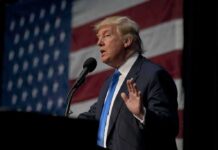
Donald J. Trump reveals that Sean “Diddy” Combs requested a pardon following his recent sentencing to over four years in prison for charges related to prostitution.
“Many people have asked me for pardons. I refer to him as Puff Daddy. He has requested a pardon from me.” pic.twitter.com/OKLBxnzVKO
— HIPHOP CROWN NATION (@hiphopcnation) October 7, 2025
Trump’s Clemency Track Record Sets Concerning Precedent
Trump’s previous pardons paint a troubling picture of how celebrity status influences presidential mercy. During his first term, he granted clemency to rappers Lil Wayne and Kodak Black, both of whom had cultivated relationships within Trump’s orbit. These decisions bypassed traditional Justice Department review processes, relying instead on personal recommendations and political calculations that prioritized loyalty over legal merit.
The pattern suggests Trump views clemency as a tool for rewarding supporters and generating positive publicity within specific communities. Diddy’s request fits this template perfectly, offering Trump an opportunity to demonstrate magnanimity while potentially gaining favor with influential figures in entertainment and business circles who might prove valuable for future political endeavors.
Justice System Integrity Hangs in the Balance
This case exposes fundamental flaws in how celebrity status warps our justice system. Ordinary citizens convicted of similar charges would never dream of bypassing established legal procedures to make personal appeals to former presidents. They certainly wouldn’t have their requests broadcast on national television, creating public pressure that could influence the outcome of their cases through media attention rather than legal merit.
The spectacle undermines public confidence in equal justice under law. When wealthy, connected defendants can circumvent normal processes through political relationships and media manipulation, it reinforces perceptions that our legal system operates by different rules for different classes of people. This erodes the foundational principle that justice should be blind to wealth, fame, and political connections.
Sources:
Trump says Sean ‘Diddy’ Combs asked him for a pardon