

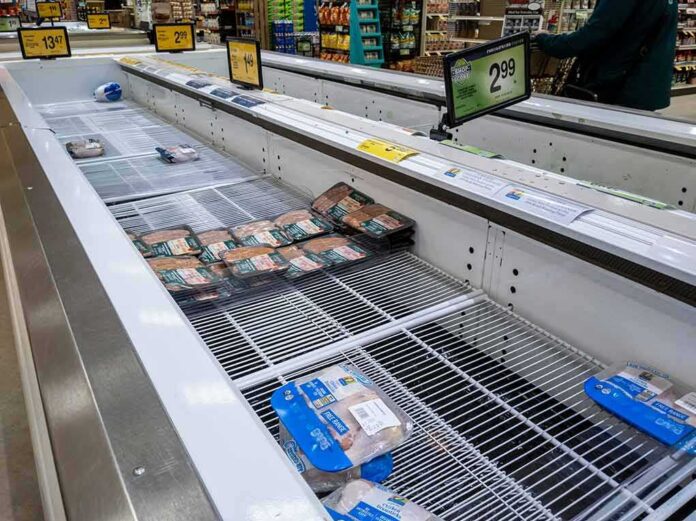
HSBC warns the world’s food-price “buffer” is thinning fast, raising the chance of a fresh global food shock driven by war, weather, and tight grain supplies.
Story Snapshot
- HSBC says grain stocks are shrinking, shifting risk toward a sharper jump in food inflation.
- Conflicts and extreme weather are straining key crops and trade routes that move food and fertilizer.
- Experts say export bans and other policy moves often make price spikes worse when stocks are low.
- Households could face higher grocery bills if tight balances meet new shocks before harvests recover.
HSBC Flags Thinning Grain Buffers And Rising Shock Risk
HSBC research says the cushion that held prices down earlier this year is eroding as stocks decline and “buffers run down quickly.” The bank links tighter grain balances to ongoing wars, rough weather, and disrupted trade routes. Its note argues the risk has shifted from day-to-day volatility to a higher chance of a clear price shock if another setback hits supply. The warning echoes broader market chatter that food inflation pressure could build into next year.
HSBC and other analysts point to conflicts that reduced exports of wheat, corn, and fertilizer, and to shipping hazards around major sea lanes. These shocks have made planting harder in some regions and raised costs for fuel and inputs. When grain stocks thin, markets react faster to bad news. That can turn a normal weather hit into a price surge that reaches store shelves within weeks or months, not years.
Weather Extremes And Trade Chokepoints Compound Supply Strain
Weather is a key swing factor. Strong ocean patterns can shift rains and heat across continents, hurting rice, wheat, or corn in different seasons. Research linked to past events shows more frequent extremes that raise the odds of yield losses. When those losses hit top exporters at the same time, global prices can jump. If ports, canals, or narrow sea lanes also face risk, the shock can spread faster through food and fertilizer markets.
Trade chokepoints matter because they move bulk grain and the fertilizer needed for the next harvest. Disruptions at straits or in the Black Sea region can delay shipments and raise freight costs, which then lift delivered prices. Studies of “cascading” impacts find that breaks at these nodes can push governments into export limits or stock hoarding. Those steps may calm local prices for a moment but often raise world prices for everyone else.
Policy Reactions Often Magnify Spikes When Stocks Are Low
World Bank, Food and Agriculture Organization, and academic work show a common pattern. When countries react to rising food prices with export bans, tariff cuts, or ad hoc stock moves, global volatility often doubles. These actions reduce supply to world markets just when buyers scramble for cargo, driving prices higher than they otherwise would be. Open trade and clear, rules-based policies generally help absorb local shocks and limit damage to poor consumers.
The data also show that while long-term trends guide average prices, short bursts of volatility can still cause real pain. Low-income families spend a larger share of their budget on food. A quick jump in grain or cooking oil prices hits them first and hardest. Global briefs in 2026 report rising food insecurity even with stable headline supplies, because conflict and climate shocks keep breaking local access and raising costs to deliver calories.
What This Means For Families, Farmers, And Officials
Households should expect more price swings at the grocery store if thin stocks meet another shock. Families with fixed incomes or living paycheck to paycheck will feel it most. Farmers face higher input bills and tougher credit, which can reduce planting just when the world needs more supply. If a bad season follows, the squeeze deepens. Relief efforts must then stretch farther to cover both higher prices and more people in need.
HSBC is warning of a global food shock as grain buffers shrink and fertilizer shipments through the Strait of Hormuz stay constrained by Middle East conflict. The same hour oil fell on signs of regional diplomacy over that same strait.
— The Apex Intelligence Brief (@ApexIntelBrief) August 26, 2026
Officials have tools that reduce harm. Experts recommend resisting export bans, using transparent stock rules, and keeping trade channels open so food can move from surplus to deficit areas. They also urge investing in weather-tolerant seeds, better storage, and early warning systems that flag rising risk before shortages hit. These steps cannot stop droughts or wars, but they can stop a local shock from becoming a global crisis that punishes working families.
Sources:
zerohedge.com, research.hsbc.com, business.hsbc.com, cnbc.com, financialexpress.com, scribd.com, reuters.com, no.assetmanagement.hsbc.com
© patriotsunited.org 2026. All rights reserved.