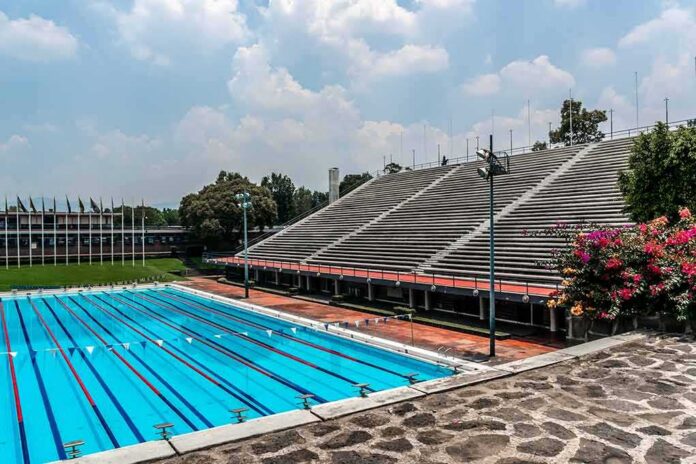
A publicly funded Berlin pool reserved six hours “exclusively” for Black communities, then canceled the event after backlash and safety fears.
Story Snapshot
- Organizers framed the swim hours as support for structurally disadvantaged Black youth.
- Critics said a taxpayer-backed venue cannot exclude by race, calling it discriminatory.
- The theater canceled after threats and security concerns, closing the pool to everyone.
- The fight reflects Europe’s clash between “positive action” and equal access rules.
What Was Planned And Why It Sparked A Fight
Volksbühne Berlin scheduled a closed session at its temporary outdoor “Volksbad” pool for Black, African, and Afro‑diasporic children, teens, and families on August 14. Each One Teach One, an anti‑racism group, said the goal was a caring afternoon for kids who face barriers in daily life. The pool’s public messaging described the time slot as “exclusively to Black communities,” which spread fast online and in headlines. That wording turned the event into a national flashpoint.
Conservative outlets and politicians argued a public, subsidized space cannot limit access by skin color. They framed the booking as racial segregation and misuse of taxpayer funds. Alice Weidel, co‑leader of the Alternative for Germany party, labeled the plan “apartheid,” while a local councilor said she felt shut out because she is white. The venue and group replied that the event was a one‑day, targeted support effort, not a general rule.
Why It Was Canceled And What That Means
Volksbühne and Each One Teach One canceled the session after racist agitation and security threats escalated. They shut the pool to everyone that day rather than run the event under risk. Local reporting said the decision followed a surge of anger and concern about crowd safety. Because the event never occurred, there is no public record of how admission would have worked, or how staff planned to handle edge cases at the gate.
Supporters of the plan stressed the need for safe, affirming spaces for kids who often face bias. They argued that a short, closed program can help a community that is under‑served by broader public offerings. Critics said the state cannot fix exclusion by creating new exclusion, even for a few hours. They pointed to the venue’s public backing and the pool’s promise as a space “for everyone,” and said the carve‑out broke that trust.
The Larger Policy Tension In Europe
European and German anti‑discrimination rules bar race‑based exclusion in public services. Some legal frameworks also allow “positive action” to offset structural harm. That gray zone fuels repeat battles: organizers cite remedy, while opponents cite equal treatment for all. Institutions often choose cancellation when safety and politics collide. The Berlin case fits this pattern, where narrow inclusion plans become culture‑war symbols once a headline says “exclusively” by race.
Berlin outdoor pool forced to cancel Black Only swimming day after sparking ‘racism’ accusations.
The pool, which received €300,000 taxpayer money to open and promised to be ‘open to all’ and ‘inclusive,’ has cancelled an event advertised as ‘open exclusively to black… pic.twitter.com/R4tWEO9BCi
— Oli London (@OliLondonTV) August 15, 2026
For citizens on the left and right, the outcome looks familiar. A public project promised community good, sparked outrage, triggered threats, and then shut down. No one got the pool that day. The bigger worries remain: uneven safety, poor communication, and leaders who react late. Clear rules, plain language, and open forums could help. If cities test targeted programs, they need legal review, transparent criteria, and security plans before the first flyer goes live.
Sources:
feedpress.me, brusselssignal.eu, cleveland.com, nypost.com, rmx.news, tichyseinblick.de
© patriotsunited.org 2026. All rights reserved.