
As protests taxed police across France, President Trump said the NFL “could’ve probably postponed” its Paris game — even as the league insisted security was solid and the game would go on.
Story Snapshot
- Trump suggested postponing the Steelers–Saints game to ease France’s police strain.
- French police arrested about 1,800 people during unrest days before the game.
- The NFL said security was heightened and confidence in the plan was “very high”.
- A Steelers fan event in Paris was canceled due to localized security concerns.
What Trump Said And Why It Matters
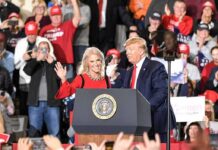
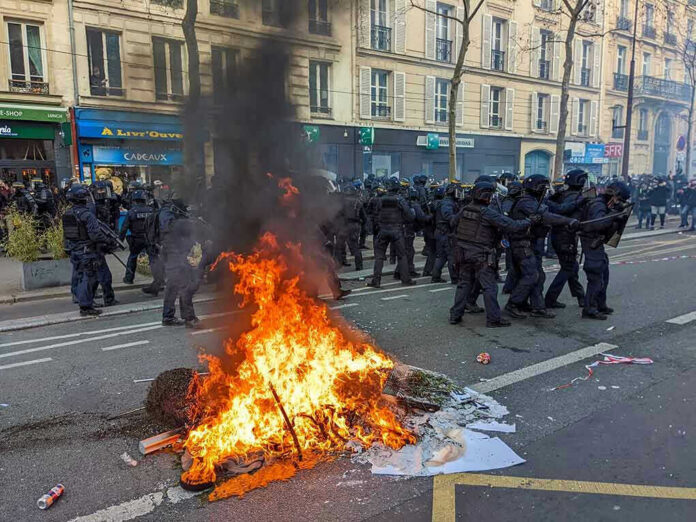
President Trump said the National Football League could have postponed the Steelers–Saints game in Paris because police were stretched by nationwide protests. He argued the game added strain during a tense week in France. His comments did not cite a specific police shortfall, but they echoed public reports of violence, fires, and mass arrests. Trump’s remarks challenged the league’s decision to proceed, raising a basic question: when should a marquee event yield to broader public safety needs?
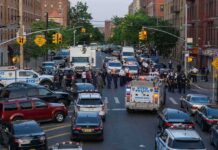
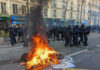
Associated Press and local outlets reported at least 1,800 arrests tied to protests and clashes in the days leading up to the game. Those figures underscored the scale of unrest facing French authorities. The protests were not focused on the stadium itself, but they required heavy deployments across Paris and other cities. That context helps explain why the postponement debate gained traction, even as the league and French officials worked to keep the event on track.
How The NFL Framed Security And Resources
National Football League leaders said they had a “very high” level of confidence in security for the Paris game. Commissioner Roger Goodell said the league had worked closely with Parisian and national authorities and the United States Department of State. Senior security staff were on the ground, and plans called for heightened measures. League executive Peter O’Reilly added that officials weighed whether the game would deplete resources elsewhere and concluded it would not harm broader safety operations.
The league’s posture aimed to separate a professionally secured stadium event from unrest occurring in other parts of the city. The plan relied on coordination with local police, targeted increases in security, and adjustments to nonessential activities. That approach mirrors how major events often continue during tense periods. Officials try to prevent mission creep, protect core gatherings, and avoid overcommitting police where private security and staging can reduce the public burden. Still, independent operational details were limited in public reporting.
Signs Of Strain: Canceled Fan Event And Soccer Shift
A planned Steelers fan gathering in the Bastille area was canceled as a precaution after recent disruptions there. Organizers pointed to security concerns specific to that neighborhood. The National Football League emphasized that the game itself would proceed under a stronger security plan. This contrast signaled a triage mindset: trim lower-value events that draw police to volatile areas while concentrating resources on the stadium, team movements, and controlled zones on game day.
Paris also adjusted another major sporting event to ease pressure. Paris Saint-Germain’s league match against Lyon was moved by one day at the request of the Paris police prefecture. That shift was meant to reduce strain on officers assigned to the National Football League game and central Paris. The move gave Trump’s point a real-world example: authorities did change schedules to manage scarce police capacity. Whether that logic should have reached the National Football League game remains debated.
The Bigger Tradeoff: Public Order Versus Big Events
Major events force tough choices during unrest. Police must cover protests, protect bystanders, and handle routine calls, while event organizers seek to keep schedules and protect fans. Research shows large sports events often require special policing plans and draw significant officer hours. That is why the core question is not whether protests exist, but whether an event tips the system from stretched to unsafe. Public records on that threshold for Paris were not released.
Trump says NFL 'could've probably postponed' Paris game as France protests stretch police thin https://t.co/Nd7DguoHTg #FoxNews
— SANDALIO CARMONA (@SANDALIOCARMONA) October 24, 2026
For many Americans, this episode hits a nerve. People see institutions favoring high-dollar events while everyday safety feels shaky. Conservatives and liberals both resent leaders who appear to protect revenue and headlines first. Here, the facts show real unrest, targeted event cuts, and a league confident in its security plan. The missing piece is transparent data on police deployments and tradeoffs. Without it, trust depends on faith in officials whose priorities many citizens now doubt.
Sources:
foxnews.com, apnews.com, axios.com, us.cnn.com, opus.lib.uts.edu.au
© patriotsunited.org 2026. All rights reserved.