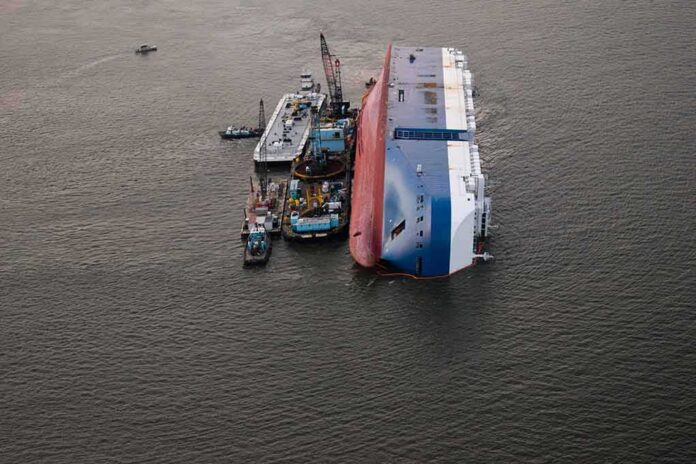
A packed ferry with about 267 people aboard capsized off northern Cyprus near Kyrenia, triggering a massive rescue and a scramble to find the missing.
Story Snapshot
- Officials say 237 people were rescued; over 20 remain missing.
- Reports cite at least six to seven deaths as counts continue to firm up.
- Transport leaders say the vessel took on water before overturning near Kyrenia.
- Coast guard ships, helicopters, and civilian boats joined the search.
What Happened Off Northern Cyprus
Authorities in northern Cyprus said a passenger ferry capsized about four nautical miles off Kyrenia on August 30. Reports from multiple outlets placed roughly 260 to 270 people aboard, with a working figure of 267. Officials said rescue teams pulled 237 people from the water, while more than 20 remained missing as night fell. Media and officials reported several deaths as numbers settled, reflecting the fast pace and stress of maritime rescues.
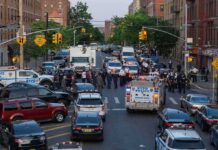
Search-and-rescue units from northern Cyprus and Turkey rushed to the scene. Officials described a joint response that included coast guard boats, helicopters, and help from nearby civilian vessels. Video and photos showed survivors wearing life jackets and clinging to the overturned hull before recovery. Health authorities said hospitals prepared for incoming patients. Leaders also urged the public to avoid sharing false claims as teams focused on saving lives and confirming identities.
Early Clues About How The Ferry Overturned
The transport minister in northern Cyprus said the vessel began taking on water before it flipped. Reports placed the capsize several miles off the coast on a regular route toward Turkey. Coverage varied on the vessel’s name and exact destination, which is common early on. Diverging headcounts also appeared across outlets, likely due to incomplete manifests and the split between passengers and crew during a chaotic rescue.
Witness accounts described water flooding the ship and many passengers jumping into the sea. Journalists at the scene saw rescue teams hauling people onto boats as others clung to the hull. Weather details were not central in early reports, and officials did not state a cause. Investigators typically review maintenance logs, loading records, navigation data, and radio calls to learn what failed and why the ship lost stability so fast.
Why These Disasters Echo Familiar Risks
Major ferry accidents often reveal a chain of problems, not a single fluke. Past probes into deadly ferry cases found issues like poor stability, steering faults, and flooding through openings. Investigators also pointed to weak procedures around loading and emergency signaling. Those patterns guide current responders. They secure survivors first, then work through manifests, interview crews, and examine the hull to narrow the cause of the capsize and any human errors.
🇨🇾 FERRY CAPSIZES OFF NORTHERN CYPRUS, 8 dead and 18 missing
The vessel was carrying 259 passengers and 8 crew members when officials say it was struck by two waves and began taking on water. Most of those aboard were rescued before the ferry eventually sank.
Helicopters and… pic.twitter.com/nDpTwy9GQI
— Mario Nawfal (@MarioNawfal) August 31, 2026
Officials in northern Cyprus are expected to release firmer counts after they reconcile lists and confirm identities. A formal safety inquiry would likely pursue voyage data, radio logs, and inspection history. That process tends to align early, shifting numbers into a final record of who was aboard, who was saved, and what failed. For families, the next hours matter most, as divers, air crews, and patrol boats search for the missing and bring closure.
Sources:
youtube.com, aljazeera.com, lemonde.fr, reuters.com, krone.at
© patriotsunited.org 2026. All rights reserved.