A Florida man says nearby boaters stopped severe bleeding after a shark bite near Boca Grande Key, likely saving his life.
Story Snapshot
- Dave Daniel, 43, was bitten on the lower leg near Boca Grande Key and airlifted to a Miami hospital.
- Nearby boaters, including off-duty nurses, applied pressure and improvised care to control bleeding.
- The United States Coast Guard coordinated a rendezvous and transfer after a 5 p.m. alert Sunday.
- Florida leads the nation in shark bites, though most are nonfatal and remain rare events.
What Happened Near Boca Grande Key
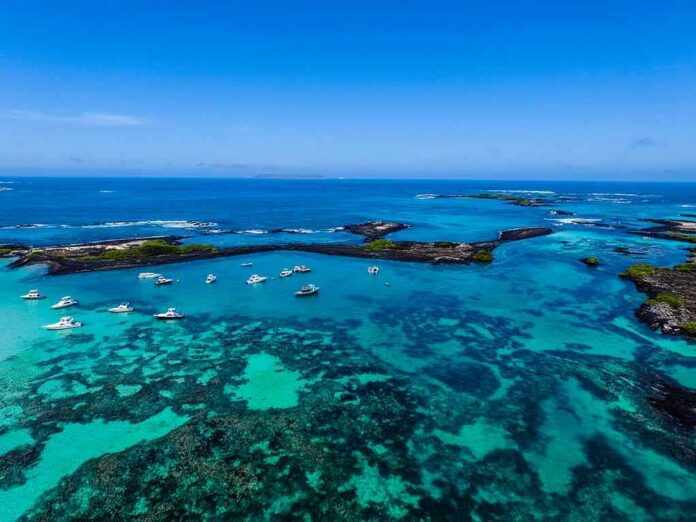
U.S. Coast Guard officials said the attack happened around 5 p.m. Sunday near Boca Grande Key, west of Key West. They said the victim, identified as David “Dave” Daniel, was swimming near a recreational boat when a shark bit his lower leg. Local reports said he was at or near a shallow sandbar when the bite occurred. A civilian vessel took Daniel aboard, and rescuers moved to control bleeding as the Coast Guard guided the response and helped with the transfer.
Daniel was airlifted to Jackson South Medical Center. He told reporters he was thankful to be alive after the rapid aid. Coverage from the scene and at the hospital highlighted deep wounds to his leg and significant blood loss. A nurse who helped described a focus on stopping the bleeding with the basic supplies available. She said their goal was simple: keep him alive until professionals could take over.
Why Quick First Aid Mattered
Witnesses said off-duty nurses on nearby boats rushed over and applied pressure to the wound. They worked with what they had in a boat kit and tried to keep the area as clean as possible, but their main task was to stop the bleeding. Trauma specialists often stress this point. Fast control of bleeding is the single most important step after a major limb injury, and it can decide whether a victim survives until advanced care is available.
Basic techniques save time and blood. Direct pressure, tight wraps, and, when needed, a tourniquet can limit blood loss. Medical literature links early tourniquet use to better odds of survival in severe limb wounds. Some clinicians also teach a groin-pressure method for leg bites to slow bleeding until responders arrive. These skills matter most in places like sandbars and backcountry flats, where ambulances cannot reach you quickly.
How Common Are Shark Bites In Florida
Florida records more unprovoked shark bites than any other state because so many people enter the water, not because sharks target humans. The International Shark Attack File reported that the United States again led global counts in 2025, with Florida at the top among states and no deaths recorded in Florida that year. Experts say the risk to any single swimmer is low, and most bites are nonfatal and involve treatable injuries.
A person bitten by a shark in the Florida Keys is recovering, and the nurse who helped at the scene gave an account of the rescue.
— Christie (@Christi73316857) August 27, 2026
Trends move year to year, but the pattern is steady. Busy beaches and popular sandbars raise exposure, especially where baitfish gather. That is why public guidance focuses on simple steps: avoid murky water, skip dawn and dusk swims, stay in groups, and leave the water if baitfish or larger predators appear. If a bite happens, pressure on the wound and quick transport remain the keys to walking out of the hospital later.
Why This Story Resonates
This rescue shows how fast help from regular people can bridge the gap to official care. The Coast Guard coordinated the handoff, but it was nearby citizens who reached Daniel first and slowed his bleeding. Many readers worry that help will not arrive in time when things go wrong. In this case, prepared bystanders made the difference between crisis and recovery, using simple steps that anyone on the water can learn.
Sources:
nypost.com, nbcmiami.com, wsvn.com, people.com, clickorlando.com, cbsnews.com
© patriotsunited.org 2026. All rights reserved.