An ESPN writer once arrested for allegedly beating his wife and striking a police officer is now facing backlash for calling a WNBA star “anti-trans” and “anti-black” in a fiery opinion piece.
Quick Take
- Howard Bryant was arrested in 2011 on charges of domestic assault and battery, assault on a police officer, and resisting arrest.
- He pleaded not guilty and was released on his own recognizance before the case ended in a probation deal.
- His wife later publicly denied that he had assaulted her.
- The old arrest is resurfacing now because Bryant wrote an op-ed labeling WNBA player Sophie Cunningham “anti-trans” and “anti-black.”
The 2011 Arrest and Charges
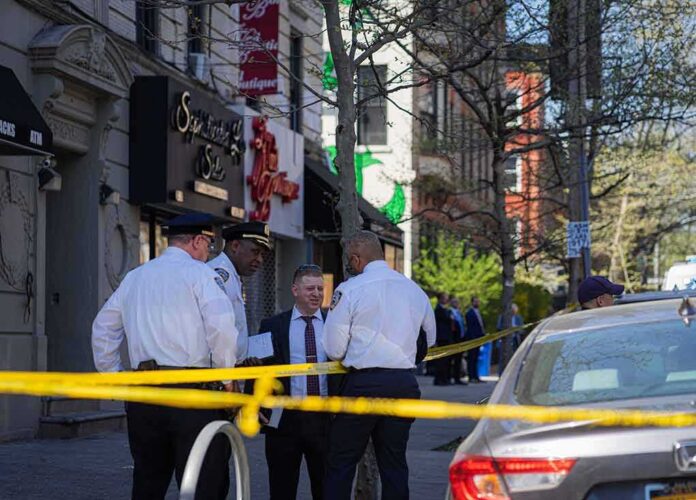
Police arrested Howard Bryant, then a senior writer for ESPN, in February 2011 after responding to a domestic incident involving his estranged wife. He was charged with domestic assault and battery, assault and battery on a police officer, and resisting arrest. Reports at the time said the confrontation happened in public, in front of the couple’s young son.
A judge in Massachusetts released Bryant on his own recognizance after he pleaded not guilty to all charges. That plea meant the case moved forward as a formal criminal matter, not just a police report that quietly disappeared. Court records show the case stayed open for months while prosecutors reviewed witness accounts.
How the Case Was Resolved
By May 2011, prosecutors agreed to drop all charges against Bryant in exchange for his acceptance of pretrial probation, according to sports media reporting from that time. The deal came after witness statements reportedly did not support the most serious version of the allegations. Bryant’s wife later publicly denied that he had assaulted her, according to a summary of the case.
That outcome means Bryant was never convicted of a crime tied to the arrest. Under basic legal standards, an arrest and a charge reflect probable cause, not proof of guilt. The Department of Justice defines domestic violence broadly as abusive behavior used to control an intimate partner, a framework prosecutors use when deciding whether to pursue charges at all.
New Controversy Over WNBA Star
Bryant’s 2011 arrest has resurfaced after he published an opinion piece attacking WNBA guard Sophie Cunningham, describing her as “anti-trans” and “anti-black.” The op-ed sparked immediate pushback online, with critics pointing to Bryant’s past arrest as a reason to question his credibility on social and cultural commentary. Supporters of Bryant have defended his writing as separate from a case that ended without conviction more than a decade ago.
The clash reflects a familiar online pattern. When a commentator makes a provocative claim about race or gender, critics often dig into that person’s personal history to challenge their standing to speak on the issue. Whether that history is relevant to the current debate is left for readers to decide, since the 2011 case and the 2026 op-ed involve entirely separate questions.
Why the Old Case Still Matters to Readers
Cases like Bryant’s show how domestic violence allegations against public figures often play out in two very different phases. The first phase is the arrest, which grabs headlines and shapes public opinion instantly. The second phase, often ignored, is the quieter legal resolution, which in Bryant’s case ended with dropped charges and no conviction.
That gap between initial headlines and final outcomes fuels distrust on both sides of the political spectrum. Conservatives often cite such cases as proof that media figures get a pass despite serious accusations. Liberals often argue that resurfacing old, resolved cases is used to silence commentary on race and gender. Both concerns point to a shared frustration: the public rarely gets the full record, only the headline.
Sources:
foxnews.com, findlaw.com, ksl.com, washingtonpost.com
© patriotsunited.org 2026. All rights reserved.