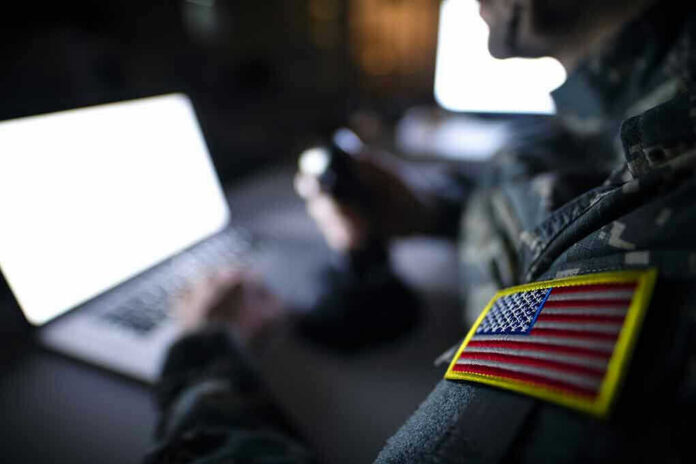
The U.S. Army is moving to buy up to $500 million in low-cost attack drones from a little-known startup, signaling a major shift toward cheap, mass-produced weapons that could change how America fights and spends.
Story Snapshot
- Reports say Neros Technologies won an Army deal worth up to $500 million for first-person-view attack drones.
- Neros’ chief executive says the firm has shipped about 22,000 drones and is scaling fast.
- No official Army contract document is public, leaving key terms and timelines unconfirmed.
- Pentagon spending on small drones has surged since 2022, with billions more on the way.
What the reported Army deal would do
ZeroHedge and Seeking Alpha report that the U.S. Army awarded Neros Technologies a contract worth up to $500 million to mass-produce first-person-view attack drones. The articles do not include an award number, unit price, or delivery schedule. The reports say the move reflects the Army’s push for cheap, attritable systems that troops can use in large numbers. The Army has not posted a public press release confirming the contract value or scope, which leaves some details unclear.
Neros is a California company started by former teenage drone racing fans, according to business coverage of the firm’s rise. The chief executive, Soren Monroe-Anderson, says the company has shipped about 22,000 drones, with the U.S. Army and Marine Corps as major customers. He also says Neros drones showed resilience against a backpack jammer during a Defense Innovation Unit test in Fairbanks, Alaska, in 2023. These claims come from a recorded interview and remain self-reported.
Why this push matters for taxpayers and troops
Since 2022, the Pentagon has spent about $4.7 billion on small drones, and Congress approved another $1.7 billion this year for similar systems, according to an investigative report. Leaders argue cheap drones can save money and lives by replacing some risky missions and by overwhelming enemy defenses with numbers. Supporters across the spectrum want faster fielding and lower costs. Skeptics worry about transparency, oversight, and whether startups can deliver at the scale war plans now expect.
Policy thinkers have urged the Department of Defense to buy from nontraditional vendors using flexible agreements to move faster on drones and related tech. This shift can speed delivery but can also reduce public detail on contract terms compared with classic awards. That trade-off fuels concern among citizens who already see Washington as opaque and captured by insiders. People want strong defenses, but they also want clear rules, fair competition, and results they can measure.
What remains unverified and where the proof could come from
No official Army contract document, award number, or formal statement has been posted that confirms the $500 million figure or sets delivery milestones. Media reports and the company’s public comments drive the current narrative. The Army’s silence is not unusual for early drone buys, but it makes it hard for the public to check costs, unit counts, and timelines. Freedom of Information Act releases or future Army postings could resolve these gaps.
Neros Technologies has secured a U.S. Army contract worth up to $500 million to supply first-person-view attack drones, marking one of the Pentagon’s largest FPV drone awards to date. #USA #FPV #Drone #Defense pic.twitter.com/WexmSvmLEx
— Drone Wars (@Drone_Wars_) July 15, 2026
Neros’ chief executive has outlined aggressive production goals and described successful tests against jamming, but outside audits or independent test reports have not been released to validate those claims. Formal test results from the Defense Innovation Unit or acquisition records tied to specific programs would help confirm performance and scale. Until then, observers should separate reported facts from self-reported targets and treat each accordingly to avoid hype or unfair doubt.
How this fits a larger shift in American warfare
Wars in Ukraine and the Middle East have shown the power of cheap, first-person-view drones to scout, strike, and confuse defenses. U.S. services are racing to adapt with swarms and simple systems. The aim is to field many “good enough” drones fast, not just a few exquisite ones slowly. That goal resonates with voters tired of cost overruns and delays. But speed without sunlight can repeat old mistakes if results are not tracked and shared in time.
What to watch next
Watch for an official Army contract posting with an award number, unit pricing, and a delivery schedule. Look for independent testing data on jamming resistance and for verified shipment counts to units. Track whether Congress ties new drone money to public scorecards on cost, readiness, and combat use. These steps can align rapid fielding with basic accountability, which both conservatives and liberals demand from a government they fear is too cozy with contractors.
Sources:
zerohedge.com, seekingalpha.com, droids.substack.com, nytimes.com, defensenews.com
© patriotsunited.org 2026. All rights reserved.