New York City froze rents for nearly one million apartments, but the process now faces sharp questions about data, politics, and who really benefits.
Story Snapshot
- The Rent Guidelines Board voted to freeze rents on stabilized leases starting October 1, 2026 [14].
- Mayor Zohran Mamdani says the move fulfills his campaign pledge to help about two million residents [2][14].
- The board’s only pro-landlord member quit before the vote, alleging a biased, data-light process [14].
- Experts warn freezes can reduce housing quality and supply over time if costs outpace rents [19].
What The Board Decided And When It Takes Effect
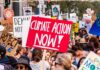
The Rent Guidelines Board voted 7-1 to freeze rents for one- and two-year renewals on rent-stabilized apartments. The freeze starts October 1, 2026, covering roughly one million units across the five boroughs. Tenants at the vote cheered and called it a new era of tenant power. The decision follows a spring schedule of public hearings and final action in late June. Supporters called it needed relief after years of steep rent hikes and household strain [14].
Mayor Zohran Mamdani campaigned on a broad rent freeze for stabilized tenants. He tied the policy to keeping families housed as wages lag. His team said the share of renters covered is large, affecting more than two million people. While some outlets echo that reach, the city has not released a full savings estimate or a vetted impact study with methods and data to back claims about “billions” saved for renters to date [2].
The Challenge To Legitimacy: Resignation And Process
Hours before the vote, Christina Smith, the board’s landlord representative, resigned. She said the outcome was predetermined and lacked current data on rising costs such as taxes and insurance. Her exit fueled claims that the mayor’s appointments, which make up a large share of the board, tilted the process. Critics now argue the board did not complete an independent review strong enough for a decision with large, citywide effects on owners and buildings [14].
Landlords and some small owners warned the freeze will push cutbacks. They cite higher costs for fuel, repairs, staff, and insurance. They also point to vacant, low-rent stabilized units that need costly upgrades they say the rules do not allow them to recover. These are specific cases raised by industry voices, but they have not been matched with a citywide cost study that shows the net financial hit or the scale of future layoffs tied to the freeze alone [5].
Short-Term Relief Versus Long-Term Risk
Housing researchers often find rent control can help current tenants right away. But they also document trade-offs. Over time, strict caps can reduce the number of available units, slow tenant turnover, and lower building quality if owners cannot cover rising bills. A leading summary from the Brookings Institution notes these long-run effects, including shifts in who stays and who leaves regulated buildings, which can reduce overall supply and choice [19].
Tenant advocates argue that families need breathing room now to keep up with food, child care, and debt. One analysis from a New York policy group claimed a multi-year freeze could save rent-stabilized households billions over four years. That projection, however, depends on assumptions about future rents and compliance and is not the Rent Guidelines Board’s own economic analysis. The city has not released a unified impact report that weighs savings against maintenance and staffing risks [15].
Why This Fight Taps A Deeper Public Frustration
New Yorkers across parties see a system that feels rigged. Many blame elites who set rules that miss real life costs, from groceries to energy to housing. Supporters of the freeze see a rare win after years when landlords gained and renters fell behind. Opponents see government power used without solid, public math, which they fear will backfire and shrink livable housing over time. Both sides point to the same pain: a market that no longer works for average families [14][19].
NYC Mayor Mamdani Celebrates Historic Rent Freeze with Cake While Thousands of Tenants Report No Heat or Hot Water https://t.co/pTCq7tR3sZ
— Wayne (@WaynePson) June 28, 2026
The core test now is follow-through. The city can publish the data behind the vote, including operating cost trends, vacancy details, and maintenance backlogs. It can set up hardship channels for small owners if needed. It can track building conditions during the freeze and release regular scorecards. Clear numbers would help renters and owners judge if this policy protects homes without hollowing out the housing stock that keeps those homes standing.
Sources:
[2] YouTube – NYC Rent Freeze Moves Closer as Housing Board Advances Mamdani’s Key …
[5] YouTube – NYC Mayor Zohran Mamdani Announces Rent Freeze Push, Tenant Reset | …
[14] Web – Zohran Mamdani talks big on his rent-freeze promise — but he can’t …
[15] Web – Rent Freeze Coming, NYC’s Mayor Takes Aim at Landlords Zohran …
[19] YouTube – NYC Rent Guidelines Board votes to freeze rents
© patriotsunited.org 2026. All rights reserved.